Experts’ Corner

You're here Home » Experts' Corner

CSR at the Close of FY: Impact and Accountability

As the financial year draws to a close, organizations across sectors turn their attention not only to financial performance but also to the social and environmental value they have created. Corporate Social Responsibility (CSR), once viewed as a peripheral activity, has now become a strategic imperative—embedded into the core of business operations. The close of the financial year (FY) is a critical moment for reflection, assessment, and accountability, where companies evaluate the real impact of their CSR initiatives and demonstrate transparency to stakeholders. Over the past decade, CSR has undergone a significant transformation. It is no longer confined to philanthropic donations or one-off initiatives. Instead, it is increasingly driven by measurable outcomes, long-term sustainability goals, and alignment with national and
Read More »

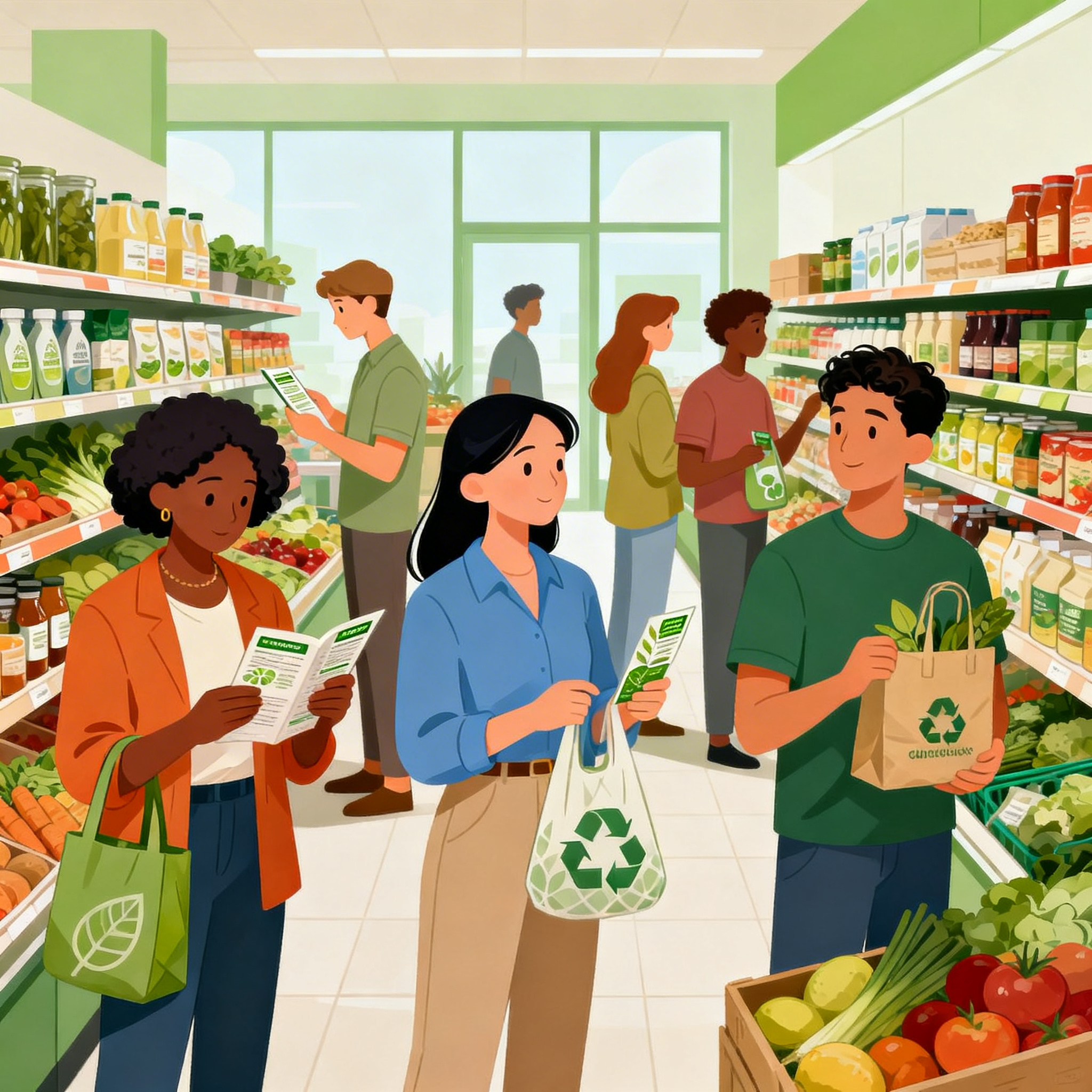
From Responsibility to Accountability: How Markets Self-Regulate through Empowered Consumers

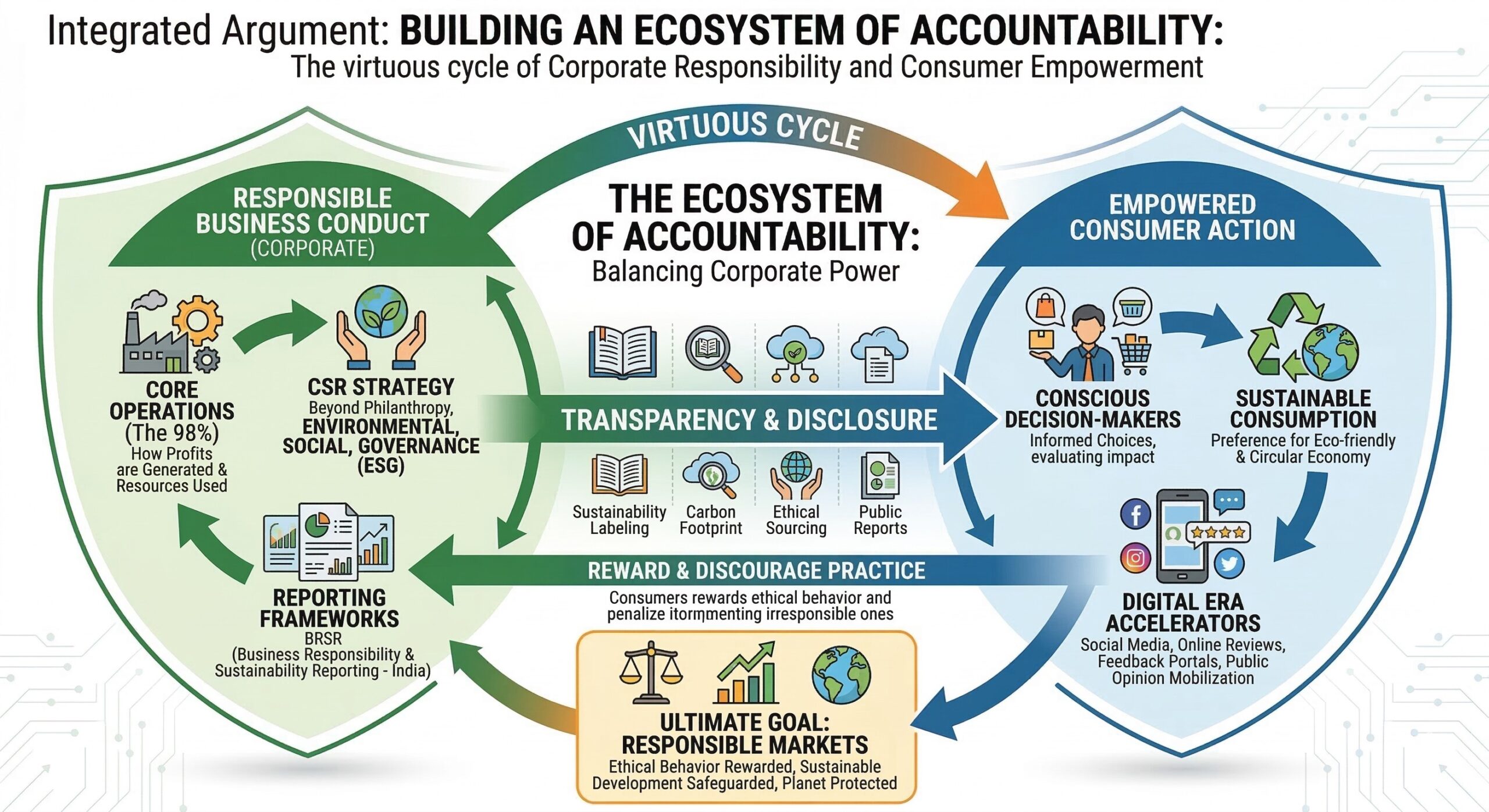
“Din raat badalte hain, haalaat badalte hain, Saath mausam ke phool aur paat badalte hain.” Times have indeed changed. Human societies once lived in close harmony with nature, drawing sustenance from rivers, forests, and fertile land. With industrialization, however, the rhythm of life began to shift. Villages transformed into towns, towns into expanding cities, and skylines once defined by trees and open skies rose with concrete and glass. The pugdandi gave way to highways, and the jhonpadi looked up at towering skyscrapers. Even drinking water once freely available from wells and streams now arrives sealed in bottles on supermarket shelves. What we call “development” has reshaped not only our lifestyles and aspirations, but also our relationship with nature and with

Read More »
Global Carbon

Profits with Purpose: How Global Businesses are Addressing the Climate Crisis

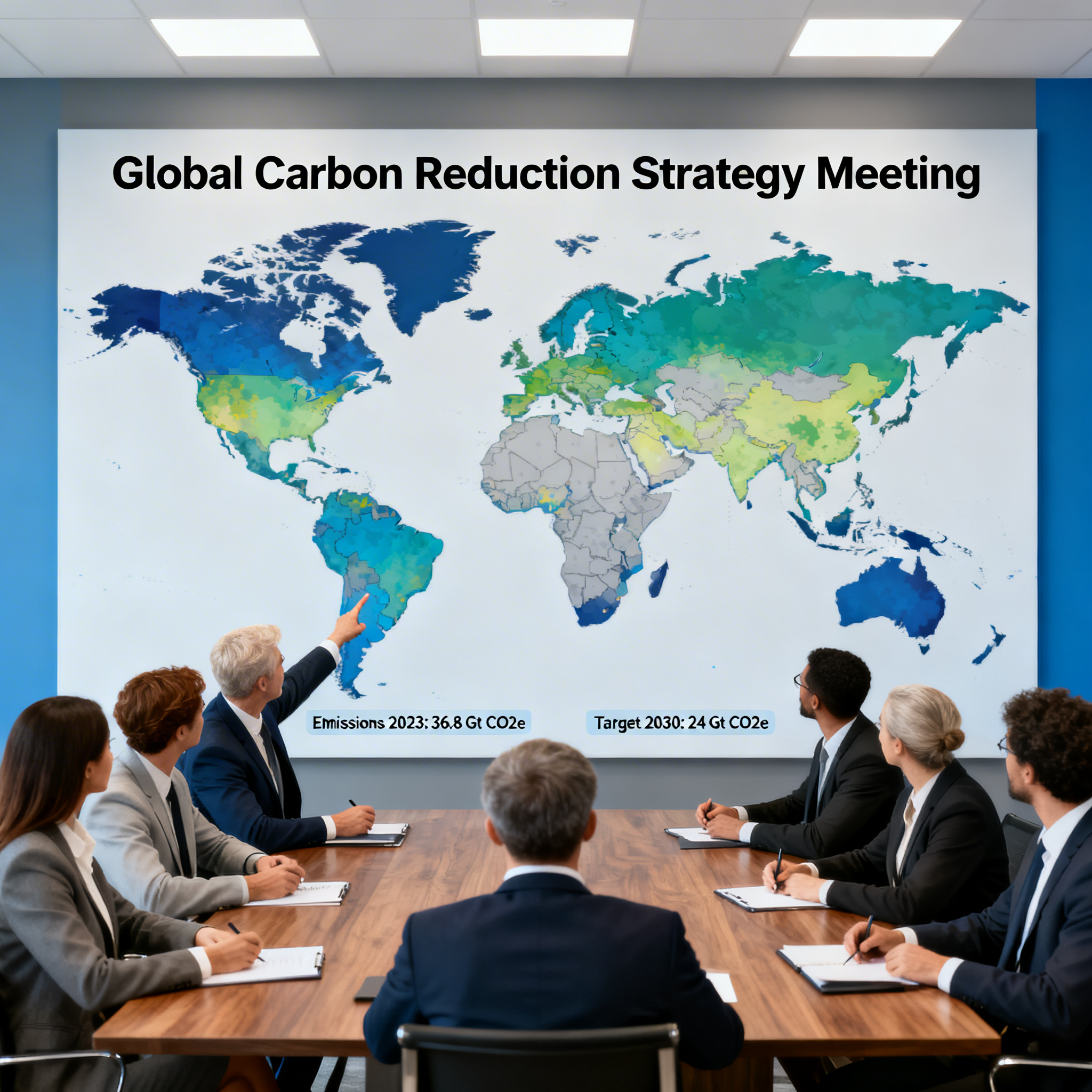
Introduction: Growing urgency of climate change and global warming At the closing of the recent COP30 held in Belem in November 2025, the UN Climate Change Executive Secretary Simon Stiell declared that “….climate cooperation is alive and kicking, keeping humanity in the fight for a livable planet”,  infusing a dose of cautious optimism in the ongoing global discourse on climate change. Climate change refers to long-term shifts in temperatures and weather patterns, due to natural causes, or due to human activities such as burning of fossil fuels – coal, oil and gas – as has been the case since the 1800s. The average temperature of the Earth’s surface is now about 1.42°C warmer than it was in the late 1800s – prior to

Read More »

A Right We Too Often Overlook

Trust in what you buy is at the heart of product safety. We assume this trust every day – till something goes wrong! This itself underscores why product safety cannot be ignored. PRODUCT SAFETY IS not something we consciously dwell over in our daily life. We routinely plug in our phone chargers, cook on stoves, apply cosmetics, wear clothes, take medicines, sit on furniture and hand toys to children – all while assuming that the products will not harm us. Only until…… they end up compromising our safety, turning into sources of harm. At any given moment, someone somewhere is being injured by a faulty product, albeit quietly. Even as we read this, someone somewhere is paying the price for

Read More »
VACCINATION DAY

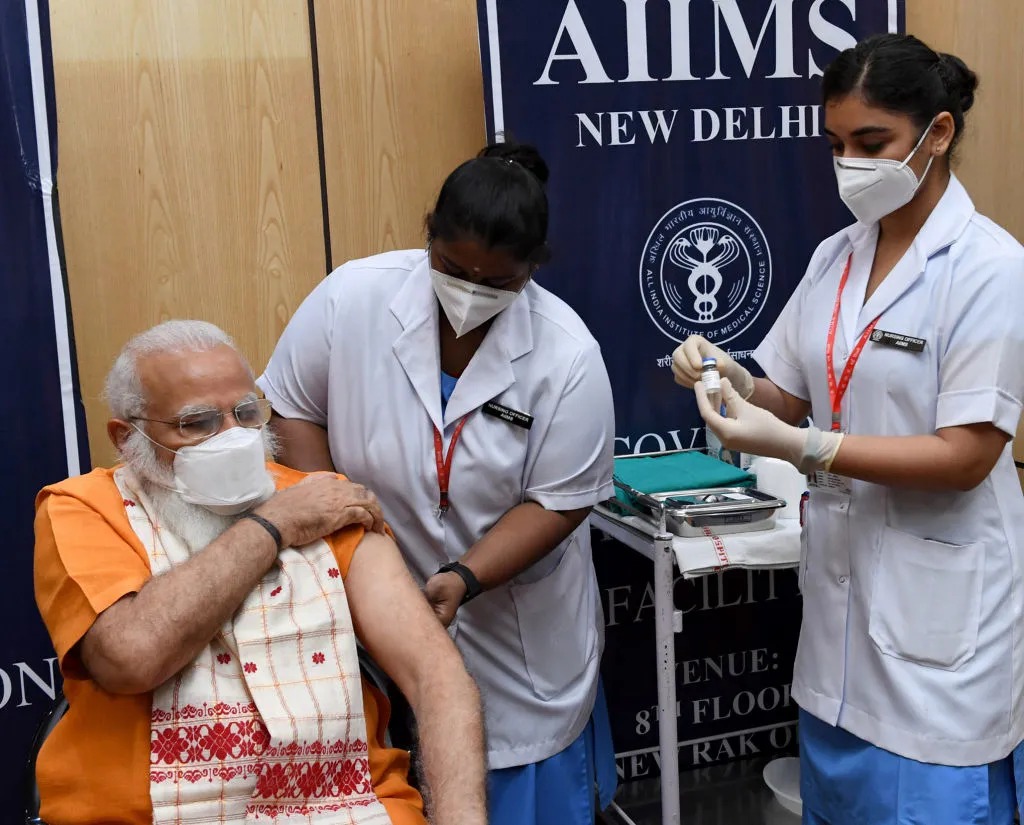
National Vaccination Day 2026: How CSR Partnerships Strengthen India’s Immunization Drive

On March 16, 2026, India observes National Vaccination Day—a reminder of the transformative power of vaccines and the collective responsibility to protect future generations. Immunization remains one of the most cost‑effective public health interventions, credited with reducing global mortality and morbidity. In India, the Universal Immunization Programme (UIP) provides free protection against 12 vaccine‑preventable diseases, including tuberculosis, poliomyelitis, measles, and rotavirus diarrhoea. According to the National Family Health Survey‑5 (2019–21), 76% of children aged 12–23 months were fully immunized, a leap from under one‑third in 1993, with rural coverage rising to over 75%. India’s Progress and Persistent Gaps According to UNICEF and MoHFW data, India reduced “zero‑dose” children—those who had not received even a single vaccine—from 0.11% in 2023 to

Read More »
Celebrating World NGO Day globally

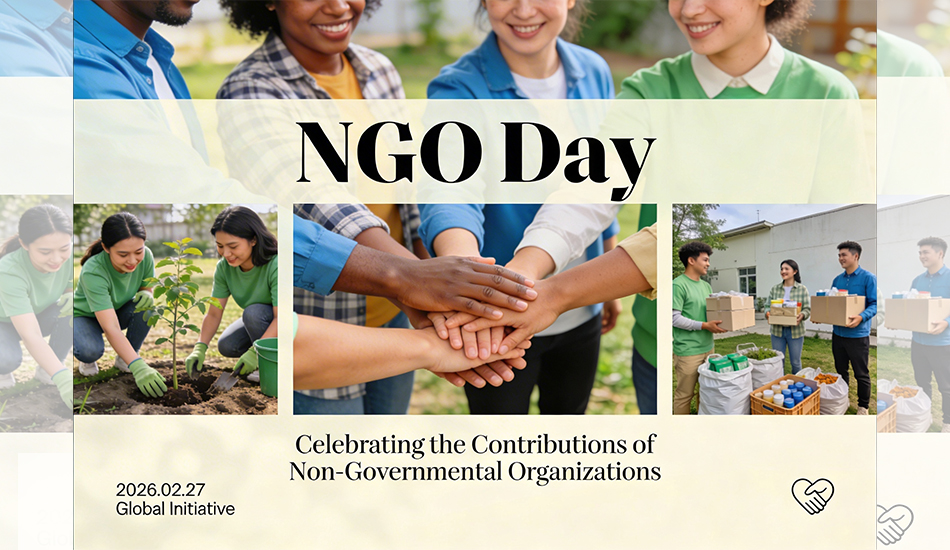
NGO Day: Understanding and Appreciating the Spirit of Service and Shared Responsibility

With the advent of the NGO Day this year, and every year in the past, unfurls an opportunity for celebration of civil society. This is also an opportune time for us to pause and reflect on the deeper meaning of service, solidarity, and social responsibility. For me, personally, NGO Day is much more than a date on the calendar; it makes me reflect on the journeys undertaken, communities transformed, and the countless unsung heroes who quietly reshape the world every single day. My journey in the social development sector has taught me that NGOs are far more than institutions executing projects.  They are the animate entities that constitute the living, breathing bridges that bridge the gap between policy and people,

Read More »
CSR and civil society impact

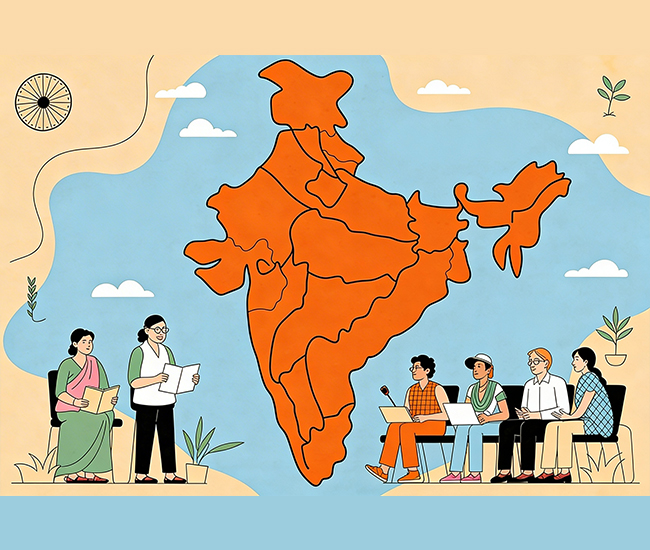
Bridging the Gap: Civil Society as the Engine of UN Agenda Delivery in India

“Global Vision – Local Action – Lasting Impact.” Global frameworks adopted by the United Nations often set ambitious goals for peace, prosperity, human rights, and sustainability. Yet, their real impact depends on how effectively they are translated into local action. In India, Civil Society organizations (CSOs) play a pivotal role in bridging this global–local divide. They convert international commitments—such as the United Nations Sustainable Development Goals (SDGs), climate agreements, and human rights conventions—into tangible interventions that improve lives on the ground. From Global Vision to Local Context The adoption of the United Nations 2030 Agenda for Sustainable Development marked a turning point in global development cooperation. The 17 SDGs provide a universal framework addressing poverty, education, health, gender equality, climate

Read More »
CSR vs ESG

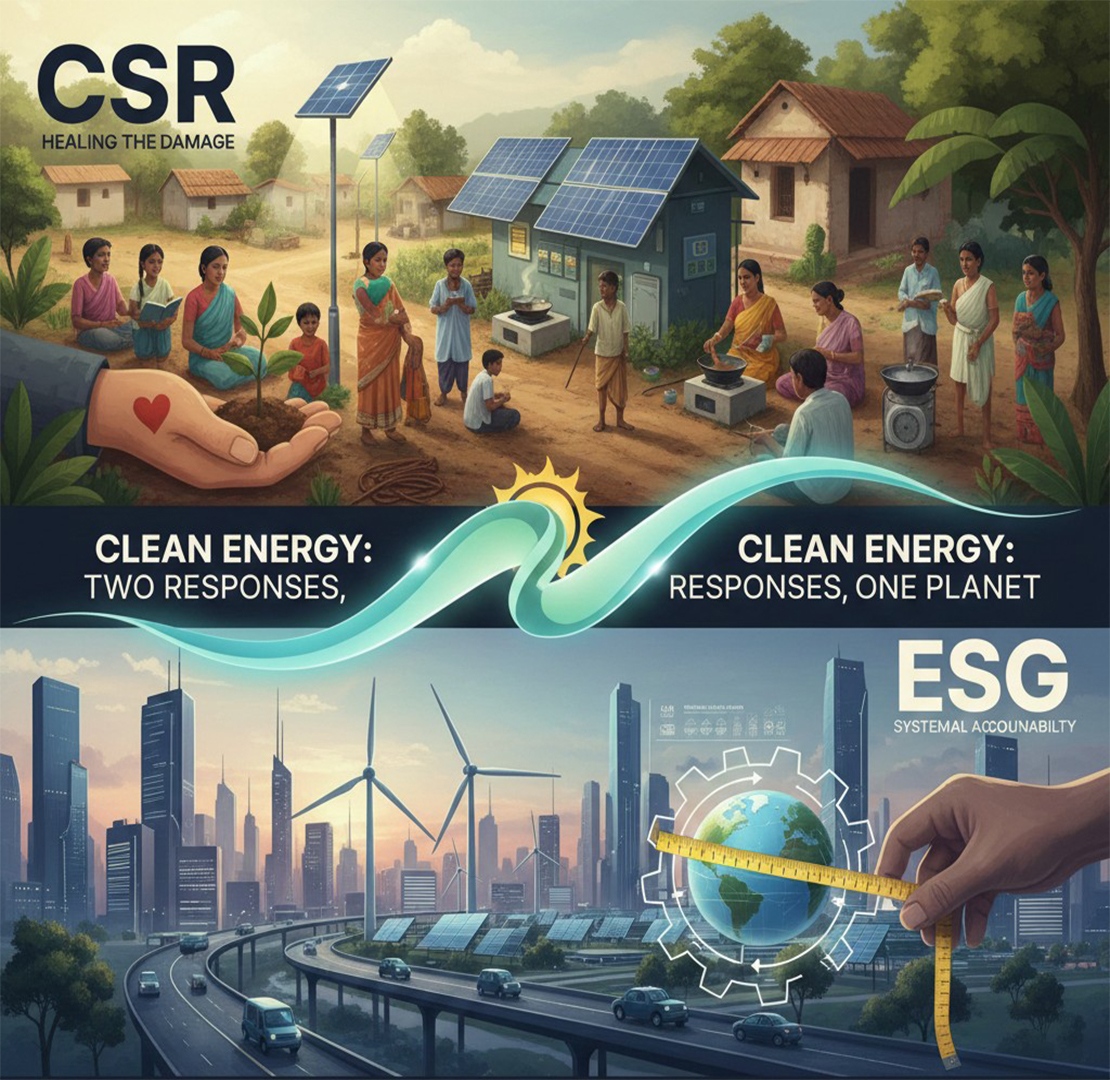
CSR vs ESG: Two Responses One Planet

Nature took thousands of years to establish balance. Mountains rose, rivers found their courses, forests evolved, and life flourished within carefully calibrated limits. Early human progress respected this equilibrium. Communities grew, agriculture expanded, trade evolved all largely within nature’s carrying capacity. Development and nature coexisted. The disruption began when development turned into domination. Industrialisation, fossil-fuel dependence, unchecked consumption, and the belief in infinite growth gradually disturbed this delicate balance. Carbon emissions rose relentlessly, ecosystems weakened, and the climate began to respond. Floods, cyclones, droughts, heatwaves, and rising sea levels became nature’s reminders that equilibrium was under threat. Today, humanity faces an uncomfortable truth: if everyone lived at the consumption levels of developed economies, we would need nearly three Earths. The

Read More »
Budget 2026 geopolitical security

Why Budget 2026 Must Be a Doctrine of Defence, Not Just a Statement of Accounts

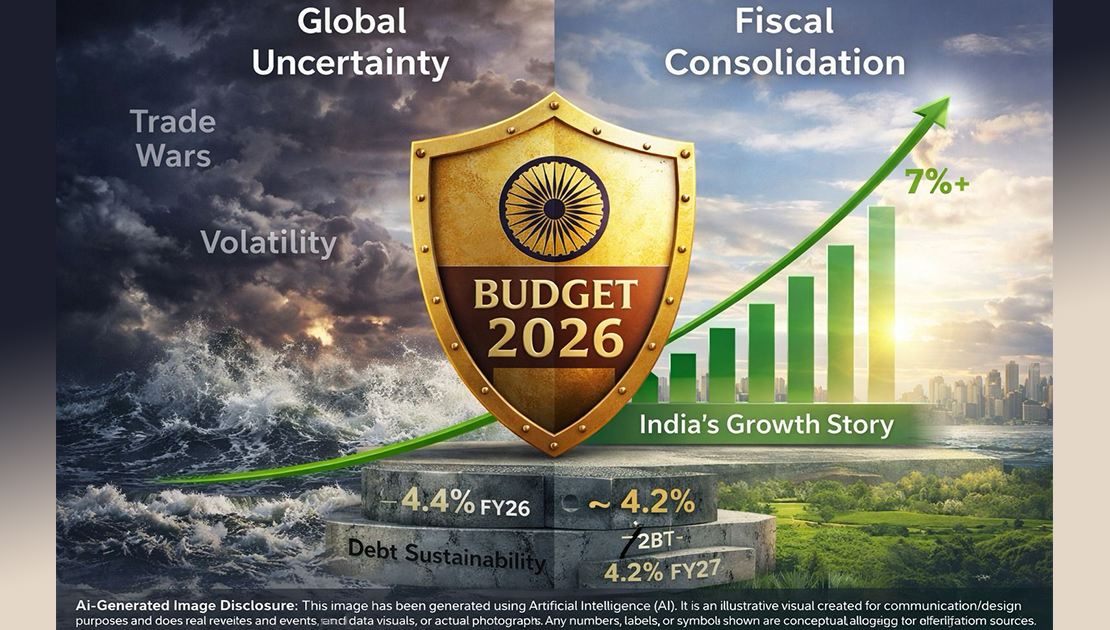
Walk through the textile lanes of Tirupur or the diamond polishing hubs of Surat, and observe how the abstract phrase “global uncertainty” suddenly looks very real. In Tirupur, factories that once hummed six days a week are cutting back to four, rattled by the threat of steep U.S. tariffs. In Surat, diamond units are shuttering as export orders dry up. This isn’t just market noise; it is the sound of a fractured global order knocking on our doors. As Finance Minister Nirmala Sitharaman prepares to present the Union Budget 2026-27, the stakes have shifted. We are no longer just managing a post-pandemic recovery; we are building a shield against a world weaponized by trade wars and protectionism. With the U.S. 

Read More »
Union Budget 2026

From Vision to Viability: How Budget 2026 Positions India’s Green Growth Story

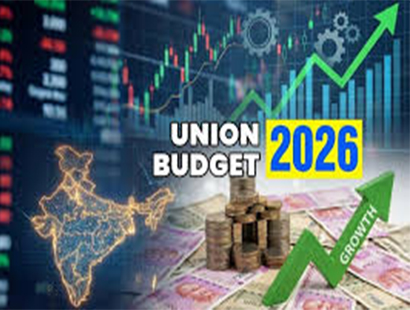
India’s push toward a green economy is supported by key initiatives such as the National Action Plan on Climate Change (NAPCC), the National Solar Mission under PM Surya Ghar Yojana, the National Green Hydrogen Mission, electric mobility programs, and several state-level green energy projects. Together, these initiatives aim to balance economic growth with environmental protection, reduce climate-related risks, and build a more sustainable and resilient economy. However, translating this vision into on-ground outcomes requires sustained fiscal prioritization and clear implementation pathways. Budget 2026 highlights Carbon Capture Utilisation and Storage (CCUS) in line with the roadmap announced in 2025, committing an investment of ₹20,000 crore over the next five years, with a specific focus on five industrial sectors. While India has

Read More »

CSR at the Close of FY: Impact and Accountability

As the financial year draws to a close, organizations across sectors turn their attention not only to financial performance but also to the social and environmental value they have created. Corporate Social Responsibility (CSR), once viewed as a peripheral activity, has now become a strategic imperative—embedded into the core of business operations. The close of the financial year (FY) is a critical moment for reflection, assessment, and accountability, where companies evaluate the real impact of their CSR initiatives and demonstrate transparency to stakeholders. Over the past decade, CSR has undergone a significant transformation. It is no longer confined to philanthropic donations or one-off initiatives. Instead, it is increasingly driven by measurable outcomes, long-term sustainability goals, and alignment with national and
Read More »

From Responsibility to Accountability: How Markets Self-Regulate through Empowered Consumers

“Din raat badalte hain, haalaat badalte hain, Saath mausam ke phool aur paat badalte hain.” Times have indeed changed. Human societies once lived in close harmony with nature, drawing sustenance from rivers, forests, and fertile land. With industrialization, however, the rhythm of life began to shift. Villages transformed into towns, towns into expanding cities, and skylines once defined by trees and open skies rose with concrete and glass. The pugdandi gave way to highways, and the jhonpadi looked up at towering skyscrapers. Even drinking water once freely available from wells and streams now arrives sealed in bottles on supermarket shelves. What we call “development” has reshaped not only our lifestyles and aspirations, but also our relationship with nature and with

Read More »
Global Carbon

Profits with Purpose: How Global Businesses are Addressing the Climate Crisis

Introduction: Growing urgency of climate change and global warming At the closing of the recent COP30 held in Belem in November 2025, the UN Climate Change Executive Secretary Simon Stiell declared that “….climate cooperation is alive and kicking, keeping humanity in the fight for a livable planet”,  infusing a dose of cautious optimism in the ongoing global discourse on climate change. Climate change refers to long-term shifts in temperatures and weather patterns, due to natural causes, or due to human activities such as burning of fossil fuels – coal, oil and gas – as has been the case since the 1800s. The average temperature of the Earth’s surface is now about 1.42°C warmer than it was in the late 1800s – prior to

Read More »

A Right We Too Often Overlook

Trust in what you buy is at the heart of product safety. We assume this trust every day – till something goes wrong! This itself underscores why product safety cannot be ignored. PRODUCT SAFETY IS not something we consciously dwell over in our daily life. We routinely plug in our phone chargers, cook on stoves, apply cosmetics, wear clothes, take medicines, sit on furniture and hand toys to children – all while assuming that the products will not harm us. Only until…… they end up compromising our safety, turning into sources of harm. At any given moment, someone somewhere is being injured by a faulty product, albeit quietly. Even as we read this, someone somewhere is paying the price for

Read More »
VACCINATION DAY

National Vaccination Day 2026: How CSR Partnerships Strengthen India’s Immunization Drive

On March 16, 2026, India observes National Vaccination Day—a reminder of the transformative power of vaccines and the collective responsibility to protect future generations. Immunization remains one of the most cost‑effective public health interventions, credited with reducing global mortality and morbidity. In India, the Universal Immunization Programme (UIP) provides free protection against 12 vaccine‑preventable diseases, including tuberculosis, poliomyelitis, measles, and rotavirus diarrhoea. According to the National Family Health Survey‑5 (2019–21), 76% of children aged 12–23 months were fully immunized, a leap from under one‑third in 1993, with rural coverage rising to over 75%. India’s Progress and Persistent Gaps According to UNICEF and MoHFW data, India reduced “zero‑dose” children—those who had not received even a single vaccine—from 0.11% in 2023 to

Read More »
Celebrating World NGO Day globally

NGO Day: Understanding and Appreciating the Spirit of Service and Shared Responsibility

With the advent of the NGO Day this year, and every year in the past, unfurls an opportunity for celebration of civil society. This is also an opportune time for us to pause and reflect on the deeper meaning of service, solidarity, and social responsibility. For me, personally, NGO Day is much more than a date on the calendar; it makes me reflect on the journeys undertaken, communities transformed, and the countless unsung heroes who quietly reshape the world every single day. My journey in the social development sector has taught me that NGOs are far more than institutions executing projects.  They are the animate entities that constitute the living, breathing bridges that bridge the gap between policy and people,

Read More »
CSR and civil society impact

Bridging the Gap: Civil Society as the Engine of UN Agenda Delivery in India

“Global Vision – Local Action – Lasting Impact.” Global frameworks adopted by the United Nations often set ambitious goals for peace, prosperity, human rights, and sustainability. Yet, their real impact depends on how effectively they are translated into local action. In India, Civil Society organizations (CSOs) play a pivotal role in bridging this global–local divide. They convert international commitments—such as the United Nations Sustainable Development Goals (SDGs), climate agreements, and human rights conventions—into tangible interventions that improve lives on the ground. From Global Vision to Local Context The adoption of the United Nations 2030 Agenda for Sustainable Development marked a turning point in global development cooperation. The 17 SDGs provide a universal framework addressing poverty, education, health, gender equality, climate

Read More »
CSR vs ESG

CSR vs ESG: Two Responses One Planet

Nature took thousands of years to establish balance. Mountains rose, rivers found their courses, forests evolved, and life flourished within carefully calibrated limits. Early human progress respected this equilibrium. Communities grew, agriculture expanded, trade evolved all largely within nature’s carrying capacity. Development and nature coexisted. The disruption began when development turned into domination. Industrialisation, fossil-fuel dependence, unchecked consumption, and the belief in infinite growth gradually disturbed this delicate balance. Carbon emissions rose relentlessly, ecosystems weakened, and the climate began to respond. Floods, cyclones, droughts, heatwaves, and rising sea levels became nature’s reminders that equilibrium was under threat. Today, humanity faces an uncomfortable truth: if everyone lived at the consumption levels of developed economies, we would need nearly three Earths. The

Read More »
Budget 2026 geopolitical security

Why Budget 2026 Must Be a Doctrine of Defence, Not Just a Statement of Accounts

Walk through the textile lanes of Tirupur or the diamond polishing hubs of Surat, and observe how the abstract phrase “global uncertainty” suddenly looks very real. In Tirupur, factories that once hummed six days a week are cutting back to four, rattled by the threat of steep U.S. tariffs. In Surat, diamond units are shuttering as export orders dry up. This isn’t just market noise; it is the sound of a fractured global order knocking on our doors. As Finance Minister Nirmala Sitharaman prepares to present the Union Budget 2026-27, the stakes have shifted. We are no longer just managing a post-pandemic recovery; we are building a shield against a world weaponized by trade wars and protectionism. With the U.S. 

Read More »
Union Budget 2026

From Vision to Viability: How Budget 2026 Positions India’s Green Growth Story

India’s push toward a green economy is supported by key initiatives such as the National Action Plan on Climate Change (NAPCC), the National Solar Mission under PM Surya Ghar Yojana, the National Green Hydrogen Mission, electric mobility programs, and several state-level green energy projects. Together, these initiatives aim to balance economic growth with environmental protection, reduce climate-related risks, and build a more sustainable and resilient economy. However, translating this vision into on-ground outcomes requires sustained fiscal prioritization and clear implementation pathways. Budget 2026 highlights Carbon Capture Utilisation and Storage (CCUS) in line with the roadmap announced in 2025, committing an investment of ₹20,000 crore over the next five years, with a specific focus on five industrial sectors. While India has

Read More »

I/we Wish To...

Sustainability breeds its constant ongoing need for regularity, credibility, and a strong, collaborative ecosystem. Since 2014, CSR Times has been at the forefront in curating powerful stories, spotlighting transformative initiatives, and amplifying the voices of diverse organizations and individuals who are shaping India’s responsible growth narrative. Through its magazines and flagship events, CSR Times has built a trusted platform that bridges corporate vision with grassroots impact. And now the CSR TIMES Newsletter emerges as a timely and purposeful initiative designed to inform, inspire, and connect stakeholders across the corporate social responsibility ecosystem, designed to meet a different and more immediate need. 

The CSR TIMES Newsletter is your front-row pass to our magazine’s most loved moments: audience-favorite clips, our most popular features, powerful quotes, and the most important stories crafted for a fast-paced digital experience. Designed for today’s four-screen world, it delivers high-impact content straight to your inbox, allowing you to stay updated anytime, anywhere, and absolutely free of cost, so you never miss the conversations shaping the future of sustainability and responsible leadership. Ultimately, CSR TIMES Newsletter is about building an informed and inspired community of leaders who are committed to driving positive social and environmental change.

Subscribe to
CSR TIMES Newsletter

It's Free. And, you can unsubscribe anytime.