
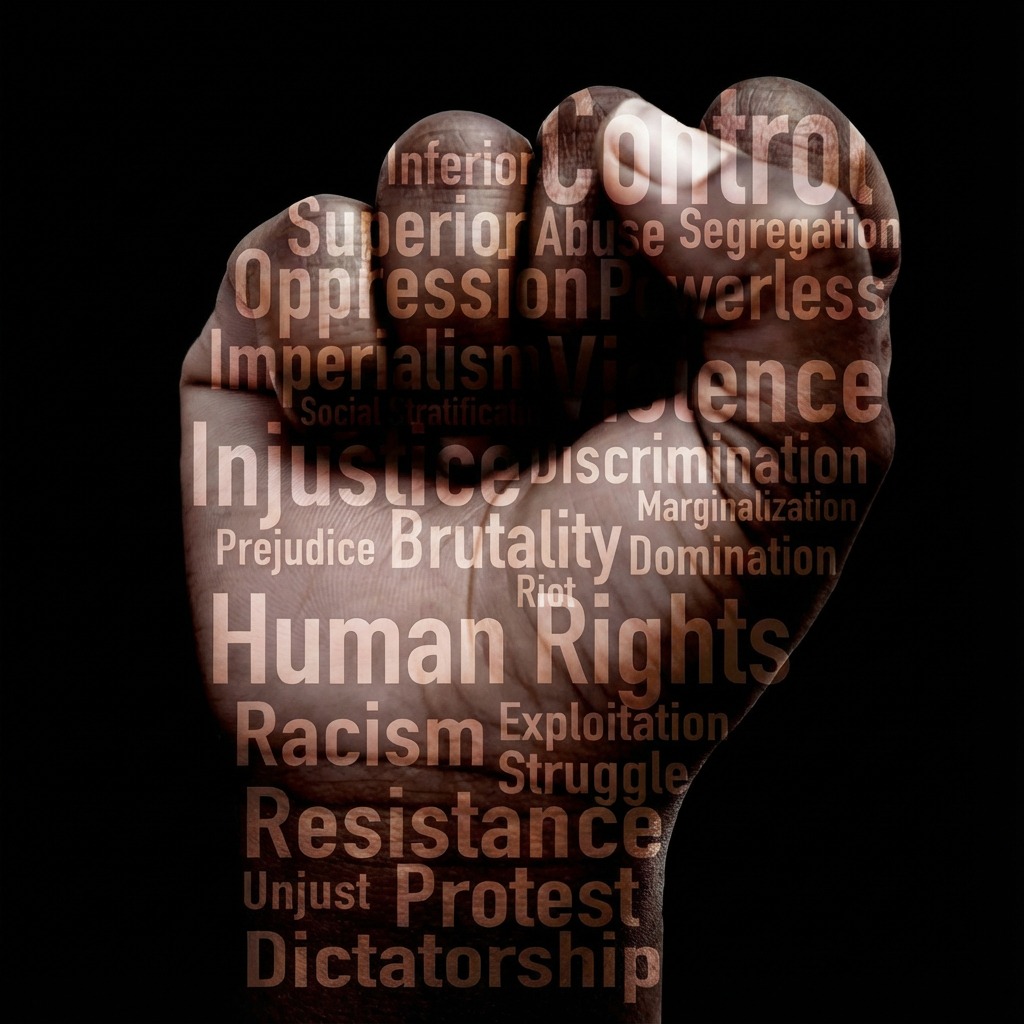

Human rights serve as the essential foundation for equitable societies, guaranteeing every person dignity, protection, and opportunity irrespective of background, beliefs, or socioeconomic status. Drawing from comprehensive analysis of United Nations frameworks, India’s National Human Rights Commission (NHRC) data, NGO impact assessments, and corporate Environmental, Social, and Governance (ESG) reports through early 2025, this guide provides actionable insights for CSR professionals.
The 1948 Universal Declaration of Human Rights (UDHR) established 30 foundational articles that have inspired legally binding covenants like the International Covenant on Civil and Political Rights (ICCPR) and the International Covenant on Economic, Social and Cultural Rights (ICESCR). These rights possess four core attributes: they are universal (applicable to all), inalienable (cannot be surrendered), indivisible (all hold equal importance), and interdependent (violation of one weakens others). For CSR practitioners, this framework translates directly into supply chain due diligence, risk mitigation, and stakeholder trust-building.

Articles 1-10: Civil and Political Foundations – Security and Justice Systems
Article 1 states that all humans are born free and equal in dignity and rights, establishing the principle of inherent human worth independent of social status, wealth, or achievements. This foundational equality underpins anti-discrimination policies across industries.
Article 2 guarantees entitlement to all UDHR rights without distinction based on race, color, sex, language, religion, political opinion, national or social origin, property, birth, or other status. In India, the National Campaign on Dalit Human Rights has trained 25,000 community leaders since 2023 to combat caste-based discrimination pervasive in certain supply chains.
Article 3 affirms the right to life, liberty, and security of person, prohibiting arbitrary threats to existence or freedom. Common Cause India’s landmark 2024 Supreme Court petition established national guidelines for passive euthanasia, balancing individual autonomy with societal protections.
Article 4 prohibits all forms of slavery and servitude, addressing both historical and contemporary manifestations. HAQ: Centre for Child Rights rescued 6,000 bonded child laborers from brick kilns and garment factories across North India in 2024 alone, highlighting persistent risks in informal economies.
Article 5 bans torture and cruel, inhuman, or degrading treatment or punishment, extending protections even to criminal suspects. The People’s Union for Civil Liberties (PUCL) documented 1,200 custodial deaths in 2024, catalyzing NHRC-mandated police reforms including body cameras and independent oversight.
Article 6 ensures recognition everywhere as a person before the law, establishing legal personhood as fundamental.
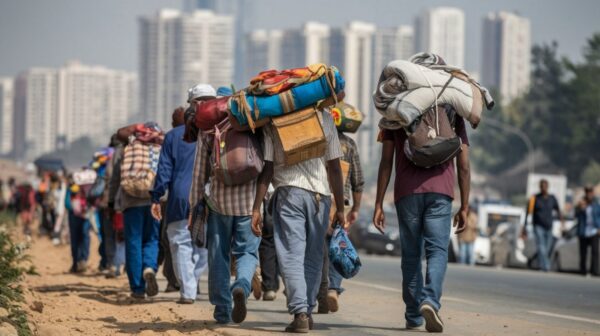
Article 7 mandates equality before the law with equal protection against discrimination, requiring legal systems to safeguard all citizens impartially.
Article 8 guarantees effective remedy through competent national tribunals for rights violations, emphasizing accessible judicial mechanisms.
Article 9 prohibits arbitrary arrest, detention, or exile, protecting against unlawful confinement.
Article 10 ensures fair and public hearings by independent, impartial tribunals, demanding transparency in justice delivery.
These articles form the bedrock of corporate human rights due diligence, particularly relevant for multinational supply chain audits mandated by India’s Companies Act 2013 Section 135.
Articles 11-21: Personal and Participatory Freedoms – Agency and Civic Engagement
Article 11 establishes presumption of innocence for those charged with penal offenses until proven guilty, placing the burden of proof on prosecution.
Article 12 protects against arbitrary interference with privacy, family, home, or correspondence, alongside attacks on honor or reputation.
Article 13 guarantees freedom of movement and residence within borders, plus the right to leave and return to one’s country. ARCH Vahini secured forest and land rights for 60,000 Adivasi families in Maharashtra through community-led mapping and litigation.
Article 14 affirms the right to seek and enjoy asylum from persecution across borders.
Article 15 guarantees the right to nationality without arbitrary deprivation.
Article 16 establishes marriage and family rights for consenting adults of full age with equal spousal rights. Breakthrough Trust’s campaigns prevented child marriages affecting 35,000 girls in Rajasthan from 2022 through community education and legal aid.
Article 17 protects the right to own property individually or collectively without arbitrary deprivation.
Article 18 guarantees freedom of thought, conscience, religion, and belief, including change of religion and public/private manifestation.
Article 19 protects freedom of opinion and expression, including seeking, receiving, and imparting information across any media or borders. The Article 19 organization successfully challenged internet shutdowns in 12 Indian states post-2024 elections, restoring digital rights.
Article 20 guarantees freedom of peaceful assembly and association, prohibiting forced membership in organizations.
Article 21 ensures participation in government directly or through chosen representatives, with equal access to public service and universal suffrage.
These freedoms directly impact CSR strategies around freedom of association (Article 20) and non-discrimination in hiring (Article 2), critical for Global Reporting Initiative (GRI) standards compliance.
Articles 22-30: Economic, Social, and Cultural Rights – Material Wellbeing and Development
Article 22 entitles everyone to social security enabling realization of economic, social, and cultural rights essential for dignity and personal development.
Article 23 guarantees work rights including free employment choice, fair remuneration, unemployment protection, and union formation/joining rights. The Self-Employed Women’s Association (SEWA) secured judicial minimum wage protections for 3.5 million informal workers across seven states.
Article 24 establishes rights to rest, leisure, reasonable working hours, and paid holidays, promoting work-life balance.
Article 25 guarantees adequate living standards including food, clothing, housing, medical care, social services, with special protections for motherhood and childhood.
Article 26 establishes education rights that promote human rights understanding, with free compulsory primary education and accessible higher education based on merit. Pratham Education Foundation boosted literacy rates for 12 million children in urban slums through its Read India program.
Article 27 guarantees participation in cultural life, arts enjoyment, and scientific advancement benefits/protection of authorship.
Article 28 entitles everyone to social and international orders realizing UDHR rights fully.
Article 29 acknowledges duties to the community alongside reasonable limitations respecting others’ rights and public order/morals.
Article 30 prohibits using UDHR rights to destroy other rights and freedoms.
These articles anchor CSR commitments to living wages (Article 23), education partnerships (Article 26), and community development (Article 25), forming core pillars of UN Global Compact principles.
The CSR-Human Rights Nexus: From Compliance to Competitive Advantage
The UDHR transcends historical significance, serving as the operational blueprint for tomorrow’s resilient business models. Supply chain audits eliminating bonded labor (Article 4), digital literacy initiatives safeguarding expression (Article 19), and fair wage programs (Article 23) demonstrate tangible ROI through enhanced brand equity and regulatory compliance.
India exemplifies scalable impact: NHRC resolved 1.8 million complaints in 2024, Pratham educated 12 million children, and SEWA empowered millions of informal workers. Corporate leaders like Tata Trusts (1.2 million women aided legally) and Reliance Foundation (25 million health beneficiaries) prove private sector alignment amplifies government efforts.
Strategic Recommendations for CSR Professionals
CSR Leaders: Transform compliance into differentiation by conducting Article 4/23 supply chain audits using NHRC-approved methodologies. Partner with SEWA for informal sector interventions or Pratham for education outcomes.
CSR Students: Master UDHR application through case studies—analyze how Article 19 violations during internet shutdowns impact digital supply chains or how Article 16 child marriage prevention strengthens community resilience.
CSR Advisors: Embed human rights into ESG frameworks. Recommend Article 23 living wage benchmarks for supplier contracts and Article 26 education KPIs for community investment portfolios.
Navigating Persistent Challenges
Despite progress, caste discrimination (Article 2), gender-based violence (Article 5), and digital surveillance threats (Article 12) persist. NCRB 2024 data reveals rising mob violence, countered by PUCL interventions yielding 250 arrests. The solution lies not in perfection but persistent, measurable progress.
Leadership Through Legacy
Uur actions today architect tomorrow’s equitable economy. Whether allocating CSR budgets, curriculum development, or boardroom counsel, recognize human rights as the moral compass and strategic differentiator of sustainable value creation.
Begin with one article, one partnership, one metric. India’s journey—from NHRC’s mass resolutions to grassroots transformations—proves systemic change compounds exponentially. The global community of 8 billion watches and benefits from our leadership.
Sector playbooks for the 30 rights
Each cluster of rights can be translated into sector-specific CSR priorities.
- Manufacturing and supply chains: Articles 2, 4, 23 and 24 call for zero tolerance of bonded labour, caste and gender discrimination, and unsafe work, which translates into living-wage roadmaps, worker-led safety committees and grievance redress for contract and migrant workers.
- Digital and platforms: Articles 12 and 19 demand privacy, data protection, and freedom of expression, so CSR must back digital literacy, algorithmic transparency pilots, and support for civil society watchdogs that monitor shutdowns and online harms.
- Finance and fintech: Articles 22 and 25 point to social security and adequate living standards, making financial inclusion, low-cost insurance, and shock-resilience products a rights issue, not just a market opportunity.
From projects to systems change
Let’s see how CSR can move beyond stand-alone projects into systemic levers.
- Policy alignment: Companies can use lessons from Article 4 and 23 audits to inform state labour inspectorates or sectoral codes of conduct, turning micro-level due diligence into meso-level norm change.
- Co-investment models: Articles 25 and 26 suggest blended finance for health and education, where CSR funds de-risk innovations that governments can later scale, such as community health worker tech, rural STEM labs, or girls’ secondary completion guarantees.
- Measurement architecture: Embedding rights-based KPIs (e.g., reduction in hazardous work hours, grievance resolution time, proportion of budget reaching bottom quintile communities) into ESG and BRSR frameworks operationalises Articles 2, 7 and 22.
Uncomfortable gaps
Despite progressive statutes like the four labour codes and expanded social security nets, uncomfortable gaps persist where caste discrimination, gig worker precarity, and digital surveillance erode the promise of dignity for millions. However, following ideas may help bridge these gaps:
- Informalisation and gig work: While the Social Security Code gestures to gig and platform workers, CSR must help prototype contributory models, portable benefits and helplines that make Articles 22 and 23 real for delivery partners, drivers and home-based workers.
- Digital surveillance and profiling: Article 12 risks being eroded by unchecked surveillance, facial recognition and scoring systems; CSR can fund independent tech audits, ethical AI guidelines, and rights-based training for corporate product teams.
- Climate and displacement: Articles 3 and 25 are threatened by climate disasters and land acquisition, making just transition funds, reskilling for coal and fossil workers, and community-led adaptation projects central to a rights-centric CSR agenda.
- Board checklist: Map each major business decision against at least three UDHR articles, asking who benefits, who might be harmed, and whose voice is missing.
- Partner portfolio: Build a deliberate mix of NGOs—rights litigators, community organisers, service providers and research institutions—to ensure Articles 8, 21 and 28 (remedy, participation, enabling order) are all covered.
- Youth and worker voice: Create standing councils of young people and frontline workers who review CSR pipelines and ESG disclosures, aligning campus-to-community initiatives and labour programmes with Articles 20, 21 and 29
In the end, the human rights playbook challenges India’s CSR leaders to treat dignity not as a slogan but as a daily operational standard. Each of the 30 principles becomes a practical question at the site, in the supply chain, on the shop floor and in the boardroom: are decisions expanding or shrinking people’s freedoms, safety and opportunities? When companies align profits with protection of rights, compliance with compassion and innovation with inclusion, CSR evolves from peripheral philanthropy into the moral and strategic core of business. If India’s corporate sector embraces this rights-based compass with seriousness and humility, the journey to Viksit Bharat 2047 can be both economically robust and unmistakably just, leaving a legacy in which growth and human dignity rise together.