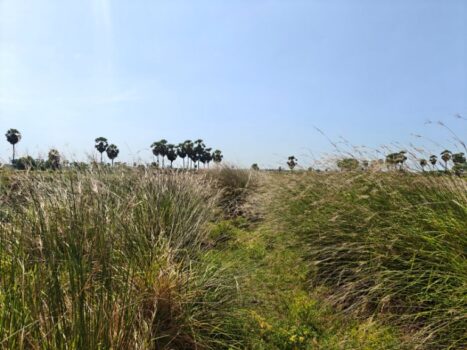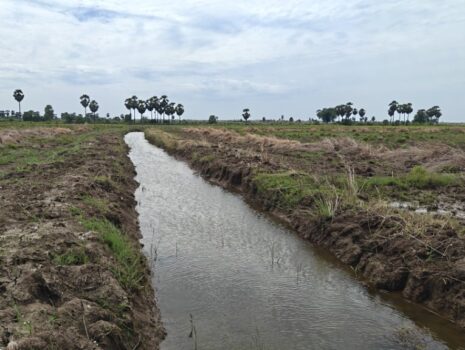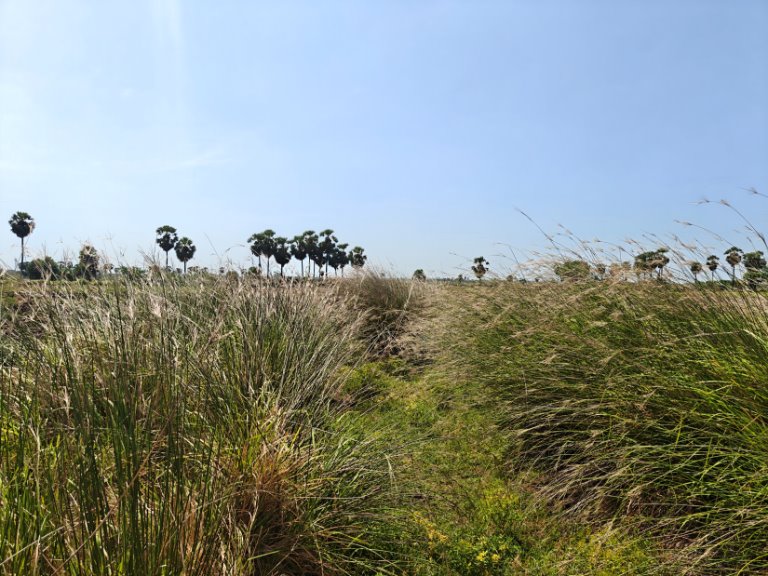
In many of the 2500 villages where Srinivasan Services Trust (SST) works, water bodies that once sustained agriculture through the year now run dry within months of the monsoon. Tanks that once held rainwater through the year have gradually lost capacity due to siltation. Supply channels have narrowed or disappeared. Wells run dry soon after the monsoon, while intense rainfall over short periods causes local flooding and waterlogging. This imbalance – characterised by excessive water availability at times and insufficient water when needed – has impacted agriculture, livelihoods, and overall resilience.
SST’s water conservation initiative is shaped by this reality. Rather than introducing new systems in isolation, the focus has been on restoring existing water bodies and strengthening them, so they function as they were originally intended. The core objective has remained consistent: to bring water bodies back to their optimal condition, improve water retention periods, enable groundwater recharge and reduce inundation in vulnerable areas, while ensuring that local communities remain central to the effort.
Over the years, this approach has translated into work across tanks, ponds, channels and supplementary structures. Cumulatively, the scale of work has expanded significantly through SST’s direct interventions as well as its collaboration with government bodies. SST has supported the restoration of over 250 tanks, impacting more than 10,600 acres of ayacut area and the desilting of 140+ supply channels, which has helped re‑establish natural water flows from catchments into tanks. In addition, around 120 percolation ponds have been renovated, strengthening the landscape’s ability to capture, store and percolate rainwater. Together, these interventions have resulted in an estimated 140+ crore litres increase in water storage capacity.
As part of this broader effort, partnerships have also played an important role. Apart from SST’s direct intervention, SST implemented over 70 water conservation structures, contributing an additional 21 crore litres to water storage capacity through its collaboration with Standard Chartered Bank. Taken together—through SST’s direct implementation, partnerships and work undertaken alongside the government—a total of over 550 water conservation works has been executed across regions, reflecting a comprehensive and participative approach to building long‑term water security across Tamil Nadu, Karnataka, Andhra Pradesh and Maharashtra. Across all locations, conservation structures were identified through scientific studies of terrain, rainfall and water movement, ensuring that each intervention addressed a real gap rather than offering a temporary solution.
While scale and planning matter, the outcomes are best understood through local experiences. One such example is the restoration of the Thittarkulam water body in Muthalaikulam village of Karanthaneri Panchayat, Tirunelveli district, Tamil Nadu.
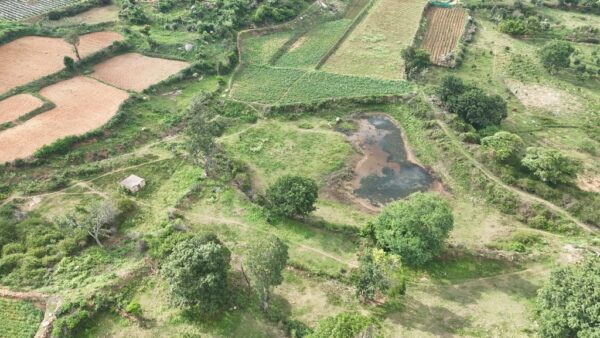
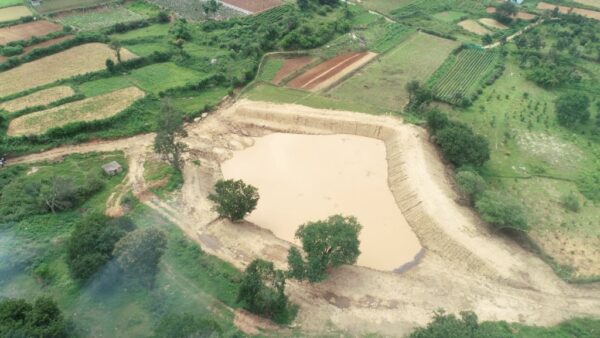
Partial desilting of Percolation Pond, Mallikuttai village, Hosur, Tamil Nadu
For Smt. Annalakshmi, a small farmer owning six acres of land near Thittarkulam, the condition of the pond directly influenced how much she could cultivate. Years of silt accumulation had reduced the pond’s ability to store rainwater. Although the family had an open well, it provided water only during the rainy season, forcing them to rely on deep borewells at other times. As a result, only three of the six acres could be cultivated, and agricultural income declined.
Before beginning restoration work, SST facilitated discussions with the villagers to understand local concerns and secure community participation, and the intervention was taken up in convergence with the Government, aligning with ongoing local water resource management efforts. A water management committee was formed, with representation from the village, to monitor implementation and support coordination during the work. The desilting work began in December 2024, during which approximately 7,000 cubic metres of silt were removed. The 950-metre-long pond bund was strengthened, and a recharge shaft was constructed to support groundwater replenishment.
The change was gradual but noticeable. The pond began holding water for longer periods and nearby wells showed improved water levels. With greater availability of water, Smt. Annalakshmi was able to bring one additional acre under cultivation out of the 6 total acres. She now grows paddy, banana and sweet potato on four acres and has seen better yields than in previous seasons.
“After the desilting, the pond doesn’t dry up quickly and the well has more water than before,” she says. “It has made farming more dependable.”
The increase in cultivated area and yield has resulted in an additional annual income of around ₹1.5 lakh for her family. Part of this income is being set aside for her daughter’s higher education, reflecting how improvements in water access, supported by government convergence, community participation and sustained local monitoring, extend beyond agriculture into broader social outcomes.
Across SST’s intervention areas, similar patterns are emerging – improved tank storage capacity, longer water retention periods, rising groundwater levels in monitoring wells and borewells, and reduced water stagnation during heavy rains. Equally important is the role of water management committees, which continue to monitor structures and support maintenance. Community contributions, through participation, collective engagement and shared responsibility have helped ensure that these assets remain functional over time. SST’s water conservation work demonstrates that restoring traditional water systems, when guided by scientific planning and supported by community ownership and district administration, can create steady and lasting improvements. It is a process of rebuilding systems that already exist and helping them serve communities better, season after season.
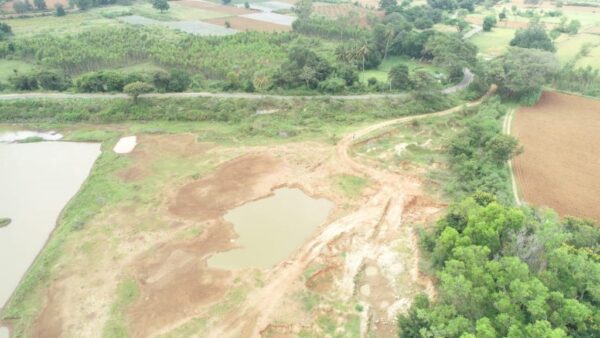
Partial Desilting of Kotamattinanjayan Eri, Thogarai village, Hosur
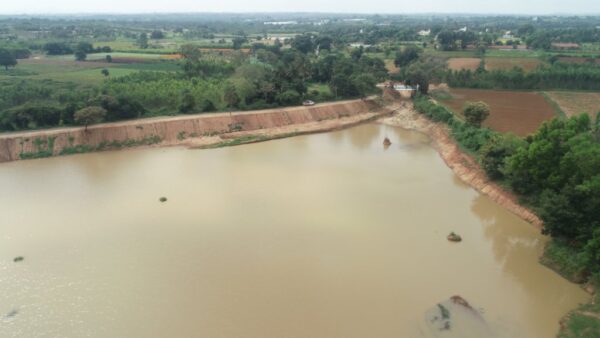
Desilting of Chetti channel, Nallur village, Arapallam panchayat, Sirkali