In conversation with Ms. Poonam Patkar- Head - Ujaas an initiative of Aditya Birla Education Trust
1. Ujaas has recently expanded its Menstrual Hygiene Management program into Delhi’s government schools. What drove this geographic expansion, and how does Delhi fit into Ujaas’ larger vision of scaling menstrual health interventions nationally?
The expansion into Delhi’s government schools, made possible through the support of FICCI YFLO Delhi and in collaboration with the Directorate of Education, Government of NCT of Delhi, was driven by both the feedback received and the growing need for impactful interventions in adolescent well-being and education. While conversations around menstrual health in India have increased over the years, access to accurate information, safe hygiene practices, and stigma-free environments remains uneven, especially among adolescents from underserved communities.
For many girls, menstruation continues to impact confidence, school attendance, participation in classrooms, and emotional wellbeing. Deep-rooted myths, silence, and social conditioning often prevent adolescents from openly discussing menstrual health or seeking support when needed.
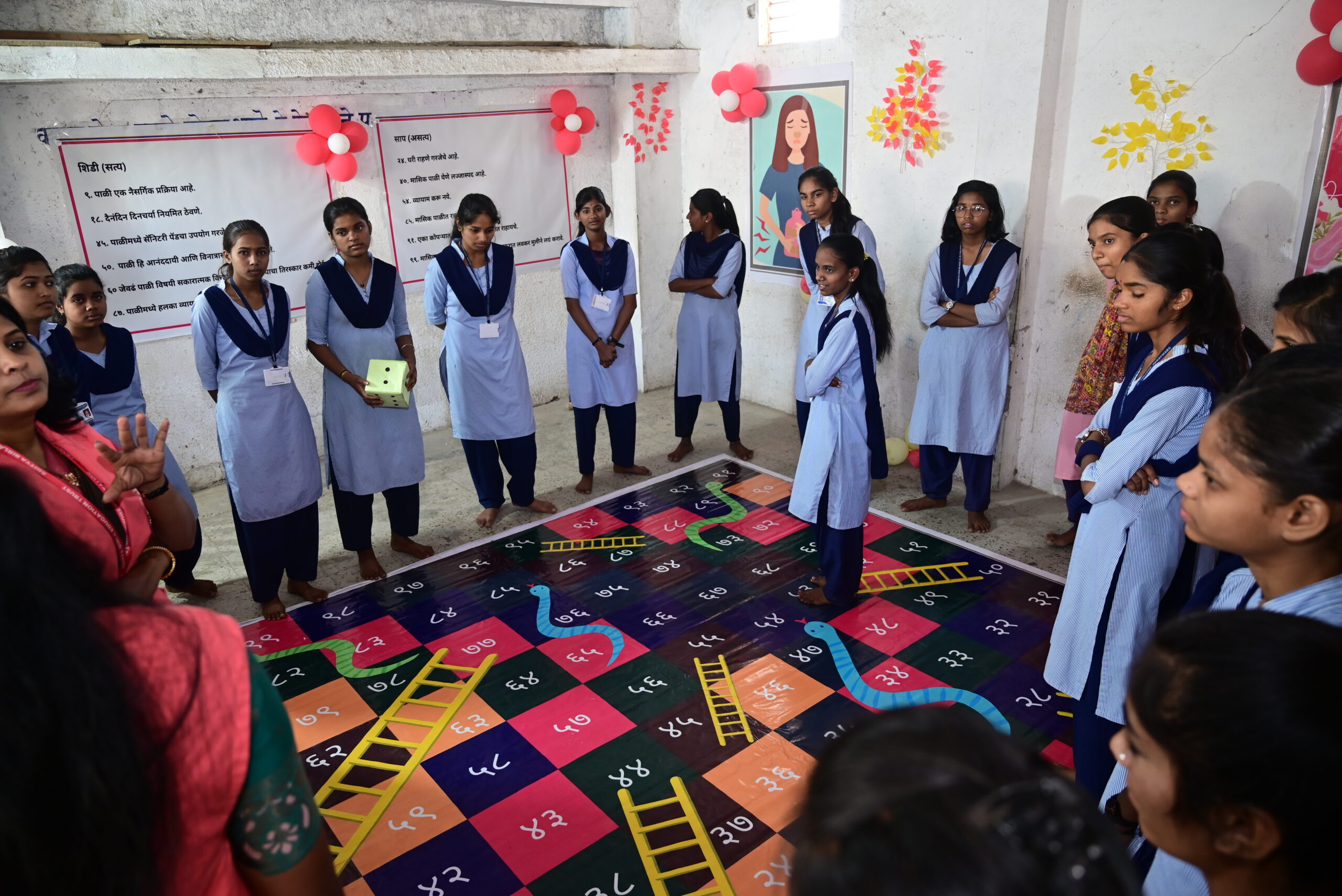
Delhi represented an important intervention point for Ujaas because of its scale, diversity, and policy visibility. The programme offered an opportunity to demonstrate how structured, school-based menstrual health interventions can create measurable impact within public education systems. Implemented in schools across North East Delhi, the initiative reached over 6,300 girls through 187 structured sessions focused on puberty awareness, menstrual hygiene, body literacy, nutrition, hygiene management, and myth-busting in the last 5 months.
The intervention reported over 70% improvement across knowledge, attitudes, perceptions, and willingness to adopt healthier practices among younger cohorts. Girls demonstrated stronger awareness around menstrual hygiene, increased confidence in discussing periods openly, and improved preparedness before menarche.
Delhi also aligns closely with Ujaas’ larger national vision of building scalable, evidence-based menstrual health interventions that integrate education, dignity, behaviour change, and access. To date, Ujaas has reached over 3.19 lakh beneficiaries across 1,704 schools and 1,843 communities through more than 8,000 sessions nationally
Importantly, the recent observations made by the Supreme Court of India recognising menstrual health as an issue of dignity, equity, and access further reinforce the urgency of institutionalising menstrual health within education and public health systems. For Ujaas, this shift is significant because it moves menstrual health beyond welfare and positions it within a broader framework of rights, inclusion, and adolescent wellbeing.
2. Your Delhi intervention reports over 70% improvement across knowledge, attitudes, and behaviours in younger cohorts. How does Ujaas ensure these shifts translate into sustained behaviour change beyond the classroom?
At Ujaas, we believe that sustainable behaviour change cannot happen through one-time awareness sessions alone. Lasting impact is created when information is reinforced through safe spaces, repeated engagement, relatable communication, peer support, and enabling school environments.
Our Delhi intervention was therefore designed as a structured, age-responsive programme delivered over multiple sessions. The curriculum for younger cohorts focused not only on biological understanding, but also on body confidence, emotional preparedness, hygiene practices, nutrition awareness, and reducing shame associated with menstruation.
The programme recorded over 70% overall improvement across knowledge, attitudes, perceptions, and willingness to adopt healthier practices among younger participants. Girls demonstrated improved comfort discussing menstruation, stronger awareness around hygiene management, and greater confidence in asking teachers, parents, or peers for support.
One of the strongest indicators of sustained change was the visible shift from silence to participation. Initially, many students hesitated to engage in conversations around menstruation. Over time, girls began openly asking questions about periods, myths, hygiene practices, body changes, emotional concerns, and relationships. This transition is critical because silence and shame are often the biggest barriers to menstrual wellbeing.
We also recognise that long-term behaviour change is only possible when the ecosystem around girls evolves simultaneously. Teachers, principals, facilitators, peers, and even boys play an important role in normalising conversations around menstruation. Through our Samata intervention, we observed nearly 60% growth in boys’ comfort discussing menstruation and over 50% increase in confidence to support female peers, highlighting the importance of engaging boys as allies in menstrual health conversations.
In addition, Ujaas integrates access with awareness by ensuring menstrual hygiene products are available alongside education sessions. Knowledge without access often limits behavioural adoption.
Ultimately, for us, success is not simply whether a girl understands menstruation scientifically, but whether she feels confident, safe, supported, and able to participate fully in school and daily life without shame or restriction.
3. Many organisations operate in the MHM space. What differentiates Ujaas’ approach, particularly in integrating curriculum design, behaviour change, and access to products?
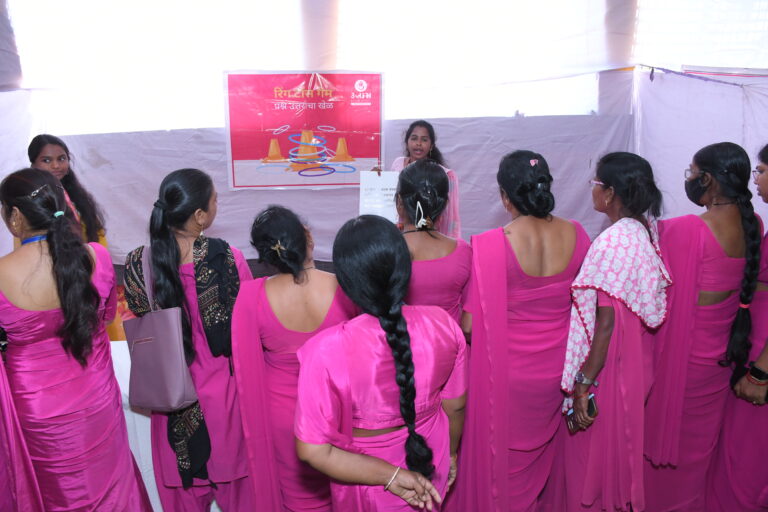
What differentiates Ujaas is that our approach goes beyond product distribution or standalone awareness campaigns. We see menstrual health as a long-term social, behavioural, educational, and dignity-linked issue that requires sustained ecosystem-level engagement.
At the core of the Ujaas model is structured curriculum design tailored to different age groups and lived realities. Younger adolescents are introduced to concepts around puberty, body literacy, hygiene, emotional preparedness, and menstrual confidence, while older girls engage with more advanced conversations around reproductive health, myths, stigma, self-agency, and health-seeking behaviours.
Importantly, our programmes are evidence-driven. We conduct survey to measure not only knowledge gains, but also shifts in attitudes, confidence, behavioural intent, and social norms. In Delhi, younger cohorts demonstrated over 70% overall improvement across key domains, while older girls showed stronger confidence in challenging myths, discussing periods openly, and making informed hygiene choices.
The findings also revealed transformational shifts in menstrual stigma. Girls increasingly viewed menstruation as a natural biological process rather than something associated with impurity or shame. Many participants reported feeling more confident attending school during periods, seeking help when needed, and openly discussing menstrual concerns with peers and trusted adults.
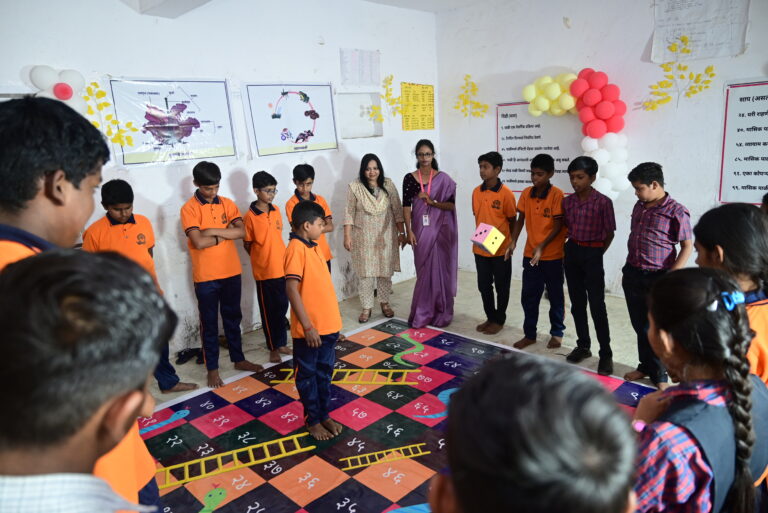
Another key differentiator is inclusivity. Ujaas actively works with boys, teachers, school leaders, and communities because menstrual stigma cannot be addressed in isolation. Through our Samata initiative, boys demonstrated significant improvements in comfort discussing menstruation and supporting female classmates, reinforcing the importance of creating gender-inclusive menstrual health conversations.
Our and community engagement programmes also help build local champions and sustainable awareness networks. Across interventions, we have seen strong improvements in rejecting harmful myths, improving hygiene awareness, and increasing confidence in community-level dialogue around menstrual health.
Equally important is the integration of access with education. Menstrual hygiene products are distributed alongside awareness interventions to ensure girls can translate knowledge into practice.
4. Despite increased awareness, stigma around menstruation persists. Based on your field experience in Delhi, what are the most difficult behavioural barriers to shift, and what has proven effective?
One of the most difficult barriers to shift is the deeply internalised belief that menstruation is something impure, shameful, or secretive. Even when girls have access to products or information, many continue to carry fear, hesitation, and embarrassment around discussing periods openly.
In our Delhi intervention, we encountered persistent myths around impurity, restrictions related to religion and kitchens, fear around stains, discomfort in carrying sanitary pads openly, and anxiety around discussing menstrual concerns with family members or teachers. Many girls also lacked clarity on what constitutes a normal menstrual cycle, which often created fear and confusion.
What is important to understand is that menstrual stigma is not just a knowledge gap; it is a deeply rooted social conditioning issue reinforced by families, peer groups, and communities.
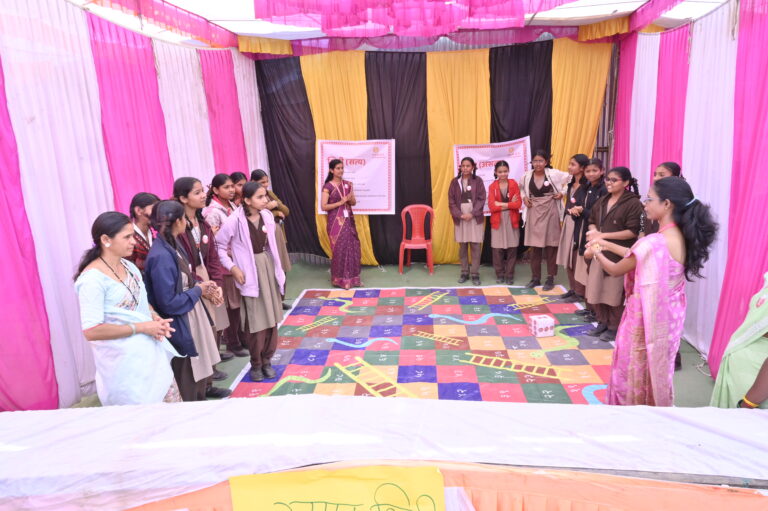
What has proven most effective is creating safe, structured, and judgement-free spaces where girls feel comfortable asking questions openly. Anonymous question formats, peer discussions, relatable facilitators, and age-appropriate communication significantly improved participation and comfort levels during sessions.
We also found that involving trusted authority figures creates a stronger enabling environment. In one Delhi school, the active participation of the principal during sessions transformed the classroom atmosphere. Students became more confident, interactive, and willing to engage in discussions around menstruation without fear or hesitation.
Another important learning has been the importance of engaging boys and communities in menstrual health conversations. Through our Samata programme, we observed nearly 60% growth in boys’ comfort discussing menstruation and over 50% increase in confidence to support female peers. Reducing stigma requires changing collective attitudes, not only educating girls in isolation.
Ultimately, awareness alone does not dismantle stigma. Consistent engagement, inclusive conversations, supportive school ecosystems, and normalising menstruation as a natural biological process are what create lasting change.
5. A key outcome from your sessions is that girls are increasingly asking questions openly. How critical is the creation of ‘safe spaces’ in MHM, and why is this often underrepresented in policy design?
The creation of safe spaces is absolutely central to menstrual health interventions because menstrual wellbeing is not only a health issue, but also an emotional, social, and psychological experience for many girls.
One of the most powerful outcomes we observed in Delhi was the shift from hesitation to openness. Initially, many students were uncomfortable even saying the word “period.” However, over time, girls began openly asking questions about menstruation, hygiene, body changes, myths, pain, emotional wellbeing, and relationships. This level of openness is often the first real indicator that stigma is beginning to reduce.
Safe spaces matter because girls cannot seek support, practise healthy behaviours, or build confidence if they are constantly afraid of judgement, ridicule, or shame. Many adolescents grow up internalising silence around menstruation, which affects not only hygiene management but also self-esteem, school participation, and emotional safety.
Unfortunately, policy conversations around menstrual health often focus heavily on product access and infrastructure, while underestimating the importance of emotional safety, dialogue, and confidence-building. While access to pads and clean toilets is essential, girls also need trusted environments where they can ask questions freely and receive accurate, empathetic guidance.
At Ujaas, safe spaces are intentionally built into programme design through interactive sessions, anonymous question opportunities, peer engagement, and facilitator-led discussions that encourage participation without fear. We also work to sensitise teachers and school leaders because supportive adults are critical in sustaining these environments.
The Supreme Court’s recognition of menstrual health as an issue of dignity and equality further strengthens the need to move beyond transactional interventions toward more holistic, human-centred approaches. Menstrual dignity is not only about access to products — it is also about ensuring that girls feel respected, heard, informed, and supported.
6. The Supreme Court of India has recognised menstrual health as a matter of dignity, equity, and access. How does Ujaas interpret this shift, and what is required to translate it into on-ground impact?
We see the Supreme Court’s recognition of menstrual health as a deeply important and progressive shift in the national conversation around menstruation. It acknowledges that menstrual health is not simply a hygiene issue, but one that intersects with dignity, education, gender equity, health access, and social inclusion.
For far too long, menstruation has been addressed primarily through fragmented awareness campaigns or product distribution efforts. The Supreme Court’s observations help reposition menstrual health within a rights-based framework, where access to information, safe hygiene practices, healthcare, education, and supportive environments become essential components of adolescent wellbeing.
However, translating this shift into on-ground impact requires systemic and sustained action.
Firstly, menstrual health education must become more deeply integrated into schools through structured, age-appropriate curriculum and trained facilitators. Secondly, awareness must be accompanied by access — including menstrual products, clean sanitation infrastructure, and safe disposal systems. Thirdly, we need to normalise conversations around menstruation within families, schools, and communities to reduce shame and silence.
At Ujaas, we have seen how integrated interventions can create measurable impact. Across programmes, girls have demonstrated stronger confidence in discussing periods, improved hygiene practices, greater willingness to seek help, and increased rejection of harmful myths associated with menstruation.
We also believe that menstrual health interventions must become more inclusive. Boys, teachers, parents, and community leaders all play a role in shaping attitudes and behaviours around menstruation. Through our Samata initiative, we observed significant improvements in boys’ comfort discussing menstruation and supporting female peers, reinforcing the importance of engaging the broader ecosystem.
Ultimately, menstrual dignity can only be achieved when awareness, access, education, emotional safety, and institutional support come together in a sustained and equitable manner.
7. The Delhi pilot has reached over 6,000 girls across 9 schools. What are the key challenges in scaling further, and how is Ujaas addressing scale without compromising impact?
Scaling menstrual health interventions within large public systems comes with both operational and behavioural challenges.
At the operational level, one of the biggest challenges is coordinating with schools that already operate within tight academic schedules. During the Delhi pilot, factors such as examinations, winter breaks, limited classroom availability, and scheduling constraints affected programme timelines. Reaching schools in densely populated areas also presented logistical and safety challenges for field teams.
Another challenge is ensuring quality engagement at scale. Menstrual health sessions require trust, participation, and open dialogue. Large classroom sizes or rushed delivery formats can dilute impact, especially when addressing sensitive topics like puberty, stigma, hygiene, and emotional wellbeing.
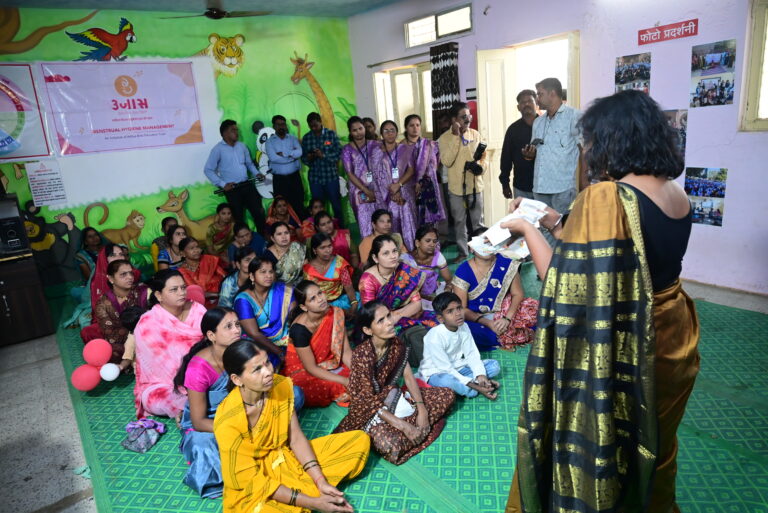
Ujaas has addressed this by prioritising structured delivery and trained facilitation rather than adopting a purely volume-driven approach. In schools with high student enrolment, multiple facilitators collaborated to conduct simultaneous sessions while maintaining smaller interactive groups to ensure meaningful engagement.
Our programmes are also supported by baseline and endline assessments, allowing us to evaluate behavioural and attitudinal shifts rather than only reporting outreach numbers. This evidence-based approach helps maintain programme quality while scaling interventions.
Partnerships have also played a critical role. The Delhi intervention was implemented in collaboration with FICCI YFLO Delhi and the Directorate of Education, demonstrating the importance of multi-stakeholder collaboration in scaling menstrual health initiatives sustainably.
Importantly, scaling for Ujaas is not just about reaching larger numbers. It is about building environments where girls feel safe, informed, and supported over the long term. This is why we continue to focus on curriculum quality, facilitator training, ecosystem engagement, and sustained school partnerships alongside expansion efforts.
8. Looking ahead, does Ujaas see itself primarily as an implementing organisation or as a thought leader shaping the national discourse on menstrual health? What would success look like over the next 3–5 years?
Ujaas sees itself as both an implementing organisation and a thought leader contributing to the larger national discourse on menstrual health. We believe that meaningful change requires not only strong grassroots implementation, but also evidence-driven advocacy, ecosystem partnerships, and sustained dialogue around dignity, equity, and adolescent wellbeing.
Our field interventions give us direct insight into the lived realities of girls, schools, teachers, and communities. These learnings help shape more contextual, behaviour-focused approaches to menstrual health programming. At the same time, the data and evidence emerging from our interventions contribute to broader conversations around what truly drives sustainable menstrual health outcomes.
Over the next 3–5 years, success for Ujaas would mean moving menstrual health conversations beyond awareness toward normalisation, inclusion, and institutional integration.
We hope to see menstrual health become more deeply embedded within school education systems, adolescent health frameworks, and community wellbeing programmes. We also aim to strengthen inclusive approaches that engage boys, teachers, and families as active participants in reducing stigma and supporting adolescent wellbeing.
From a programme perspective, success would mean scaling high-impact interventions while maintaining measurable improvements in knowledge, attitudes, confidence, hygiene practices, and social norms. It would also mean building stronger community ownership and creating safe environments where girls can speak openly without shame or fear.
Most importantly, success would mean that menstruation is no longer treated as a taboo subject, but recognised as a natural and essential part of health, dignity, and equality — something the recent Supreme Court observations have powerfully reinforced.
At Ujaas, we believe menstrual dignity is not only about managing periods safely, but about ensuring that every girl feels informed, confident, respected, and empowered to participate fully in education and society.