
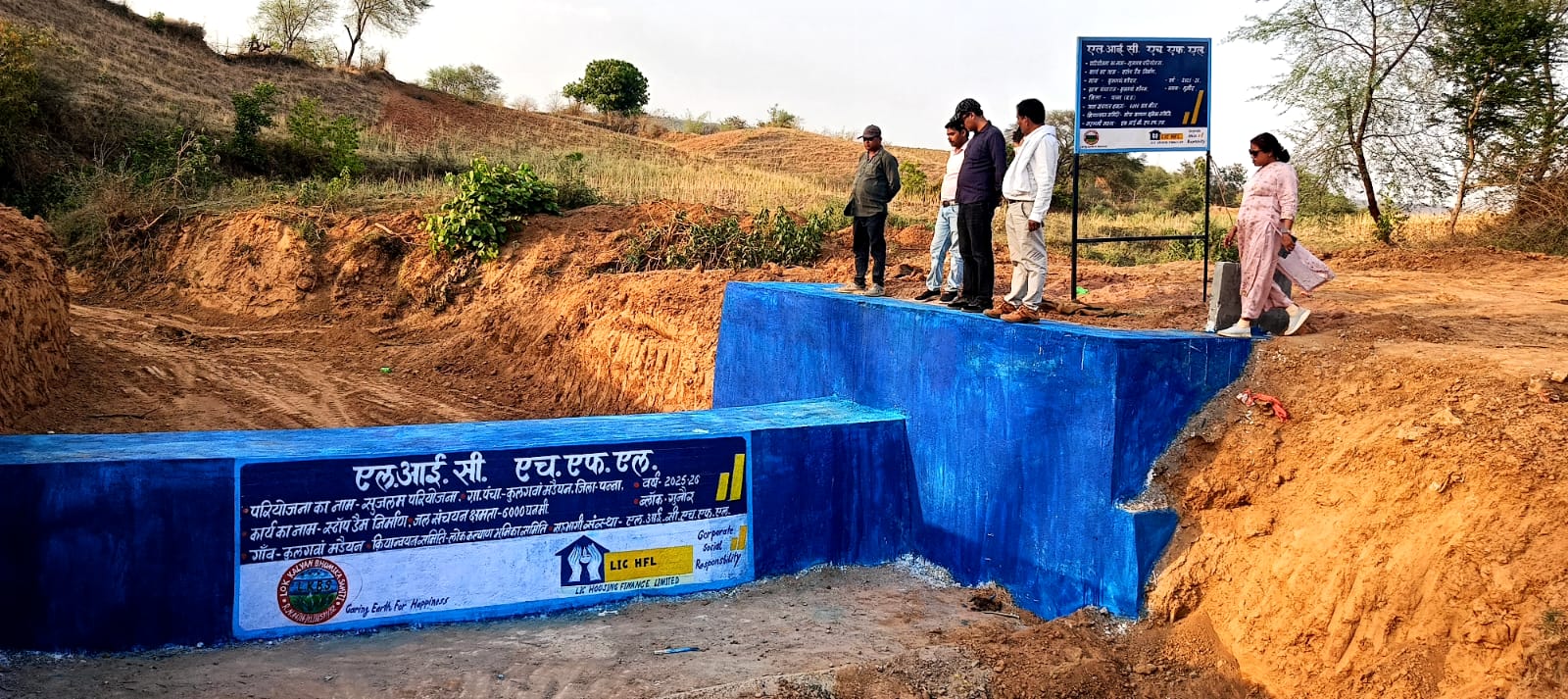
An integrated approach to water conservation, sustainable agro-forestry, and climate-resilient farming is breathing new life into 10 marginalized villages across the Pawai and Gunnor blocks of Madhya Pradesh.
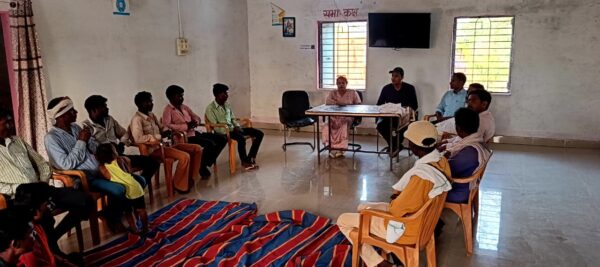 Panna, Madhya Pradesh: In the semi-arid landscape of the Panna district, regional vulnerabilities like erratic rainfall, seasonal drought, and depleting groundwater tables have historically restricted agricultural productivity, forcing many smallholder families into seasonal migration. To systematically reverse these systemic challenges, a multi-dimensional rural development intervention named Project Sujalam—an Focused water conservation integrated with rural livelihood development Project—was launched. Generously supported by the corporate social responsibility (CSR) wings of LIC Housing Finance Ltd. and meticulously executed on the ground by the dedicated team at Lok Kalyan Bhumika Samiti, this initiative spans across 10 vulnerable villages within the Pawai and Gunnor blocks. By linking structural water security directly with diversified livelihood models, the project has established a highly effective blueprint for self-reliance and environmental resilience among marginal agrarian communities.
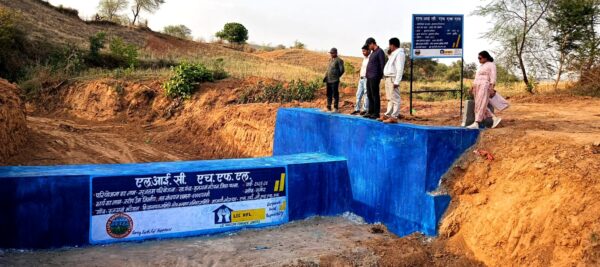
To address the foundational crisis of water scarcity, the project prioritizes localized infrastructure development that captures monsoon runoff and recharges underground aquifers. A key pillar of this intervention was the strategic construction of 5 farm ponds & Stop Dams across local seasonal streams to capture rainwater efficiently designed for both direct crop irrigation and long-term groundwater recharge. Farm ponds completely transformed farming dynamics for 100+ smallholder farmers, ensuring they have access to critical, lifesaving irrigation during erratic dry spells, directly securing sustainable irrigation pathways for more than 270+ farmers who can now cultivate secondary winter crops with confidence.
Complementing these major field-level irrigation structures, Project Sujalam introduces targeted micro-interventions to manage domestic wastewater and optimize household hygiene. The installation of 10 community soak pits for greywater management has effectively resolved the issue of stagnant water accumulation in village lanes. This simple yet vital sanitation intervention directly benefits 10 immediate rural households, safely protecting over 60 family members from waterborne vectors while naturally filtering greywater back into the subterranean water table. Through this integrated water management model, the collaboration between corporate vision and grassroots execution is actively turning long-term ecological stress into immediate communal security.
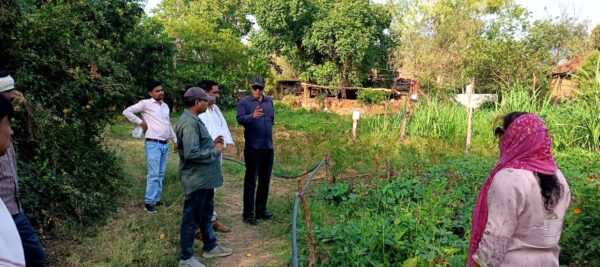 The structural availability of water has paved the way for Project Sujalam to introduce progressive agricultural practices that diversify risks and maximize land utility. Recognizing that reliance on a single traditional grain crop leaves farmers exposed to climate shocks, the project facilitated the extensive plantation of 2,000 fruit trees across the target villages. This massive agro-forestry drive has directly enhanced the long-term income security and ecological resilience of 200 tribal and marginal farming families, providing them with a steady seasonal cash crop. To further optimize land usage, the project established 10 specialized multilayer farming units. These 10 innovative units allow progressive farmers to grow multiple compatible crops simultaneously on a single plot, significantly maximizing returns and introducing 10 farming households to modern, space-efficient agricultural practices.
To shield the broader agricultural community from rising chemical costs and declining soil health, the project spearheaded a large-scale shift toward sustainable, eco-friendly farming methodologies. A major milestone includes the extensive promotion of organic pest control techniques, directly reaching and training 2,000 farmers across the project area. By substituting expensive, hazardous chemical pesticides with home-grown, organic formulations, these 2,000 cultivators have substantially reduced their input costs while preserving the local ecosystem. To ensure this knowledge base remains permanently accessible, the project established a centralized Bio Resource Center. This dedicated center operates as a continuous training and technical support hub, empowering the same 2,000 farmers with regular workshops, agronomic troubleshooting, and the practical knowledge needed to sustain organic farming independently.
 Family health, institutional well-being, and income diversification form the final, vital layer of this holistic development model. Project Sujalam successfully provided setup support and high-quality seeds for backyard kitchen gardens to 50 select households. This targeted nutrition initiative directly secures daily dietary diversity and chemical-free, nutrient-rich food for more than 250 family members, effectively combating local malnutrition. Parallelly, this commitment to community health was extended to local educational institutions, where the project completed drinking water restoration works in 2 rural public schools. This immediate infrastructural correction ensures that more than 350 rural school children and staff members now have daily access to clean, safe, and hygienic drinking water during school hours.
To uplift the most economically vulnerable and landless segments of the target villages, the project integrated an effective livestock micro-livelihood component. The distribution of 10 backyard poultry units to select households has successfully established immediate, alternative revenue streams. These 10 poultry units empower vulnerable, often female-led families with daily nutritional supplements and a reliable micro-income through egg and poultry sales. Mirroring the successful frameworks seen in prominent regional interventions, Project Sujalam stands as a masterclass in impactful corporate-NGO collaboration. By interweaving infrastructure, education, and livelihood generation, LIC Housing Finance Ltd. and Lok Kalyan Bhumika Samiti have not merely executed a development project; they have seeded an enduring movement of rural transformation across Panna.