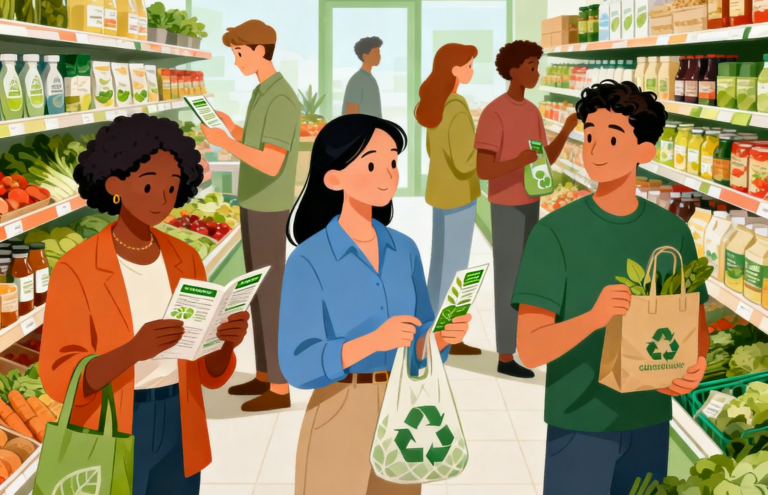
Trust in what you buy is at the heart of product safety. We assume this trust every day – till something goes wrong! This itself underscores why product safety cannot be ignored.
PRODUCT SAFETY IS not something we consciously dwell over in our daily life. We routinely plug in our phone chargers, cook on stoves, apply cosmetics, wear clothes, take medicines, sit on furniture and hand toys to children – all while assuming that the products will not harm us. Only until…… they end up compromising our safety, turning into sources of harm.
At any given moment, someone somewhere is being injured by a faulty product, albeit quietly. Even as we read this, someone somewhere is paying the price for a product that failed to keep them safe, albeit unreported.
When Safety Becomes Personal
We often trust the product and the market only for the product and the market to fail us! The consequences can range from minor to irreversible and from harmful to fatal.
Following are just a few instances of product safety going for a toss, causing physical harm as well as taking a toll on financial and psychological health.
Kitchen Appliance Turns into a Hazard – A pressure cooker without adequate safety valves may burst during use. The product was affordable, widely sold and familiar – but poorly manufactured. The injury wasn’t due to misuse; it was due to compromised safety design.
Electrical Goods: Small Faults, Big Consequences – Poor insulation and substandard wiring in switches, plugs, extension cords, immersion heaters and other home appliances can cause a short circuit that can escalate within seconds. A charger looks harmless but can overheat and spark a fire, leading to damage of property and life.
Furniture Becomes a Bane – A man sits in a chair only for it to break suddenly and cause him a lifelong injury. What looked like an accident was actually due to weak joints and stability failure. Tomorrow it could be a sharp edge, tipover or toxic finish/adhesive.
Toy That Isn’t Child-Safe – A brightly coloured toy with small detachable parts did not carry any age limitation or other warnings. Only when their young child choked on the part and was saved by timely medical assistance did the parents realise that it was not designed with safety in mind. It’s not just toys alone, cradles, baby mattresses or school supplies could also turn out to be hazardous to the little ones.
Sunscreen that Promised ‘Protection’ – A sunscreen containing harmful chemicals was marketed as ‘natural’. The harms became apparent after a week of use – burning, pigmentation and skin damaged beyond repair.
Clothing Appears Harmless on the Outside – What we wear can also come with hidden hazards. Anything from a shirt to a sock can have toxic dyes and finishing chemicals or highly flammable synthetic fabrics. Even poorly stitched drawstrings and cords can cause harm, especially to children.
What We Eat Can Be Risky Too – Rethink your next grocery run as a simple packet of chips can turn out to be adulterated or contaminated. Recently, the Food Safety and Standards Authority of India (FSSAI) seized and destroyed hundreds of kgs of toxic pickles, ghee and jaggery in Rajasthan after tests showed they were unfit for consumption. You may eat them unknowingly only to end up with a case of severe food poisoning or even worse health issues. Prolonged use can culminate in organ damage as well.
A Car Drive Turns Tragic – An automobile with faulty brakes unexpectedly careens out of control of the driver. This can cause a fatal accident, personal injury or other tragic consequences.
When Medicines Harm Lives, Not Save Them – You have to be living under a rock if you haven’t heard of – and been alarmed by – the deaths of young children in Madhya Pradesh and Rajasthan after consuming cough syrup laced with dangerous levels of industrial solvents! What if a simple painkiller you take for body pains ends up causing serious side effects because of the harmful or wrong ingredients? These risks cannot be dismissed as hypothetical – they are real-life scenarios that are reported every year. Nor can they be termed as ‘accidents’ – they are preventable safety failures. The problem is that these hazards don’t announce themselves. They are ordinary products that sit quietly in our homes and blend into daily routines – we use them without a second thought!
E-commerce Further Muddying the Waters – Most of us believe that shopping online is safe, and that product safety is enforced as much online as in traditional markets. However, in reality, e-marketplaces carry substantial risks along with blurred responsibility. First of all, consumers have no means to evaluate the safety of any individual product. To add to this, when an unsafe product is sold online, who is answerable – the seller, the platform, the importer or the manufacturer? With the responsibility getting fragmented, the consumer ends up bearing the risk.
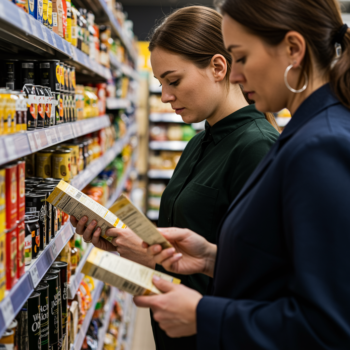
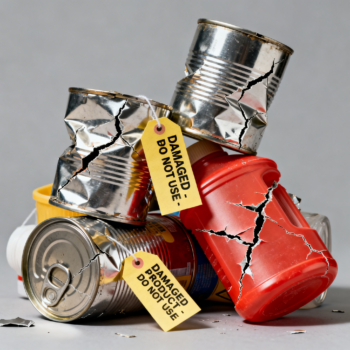
What Makes a Product ‘Safe’?
The government has devised various rules and regulations to protect the consumers from the dangers of thousands of everyday goods. Various standards and certifications shield consumers from severe to life-threatening harm by preventing breakdown of product safety. They involve rigorous testing and compliance so as to eliminate potential hazards from the products – all through the design, manufacturing process, packaging and intended use.
- Standards & Regulations: Rules set by bodies like the BIS/ISI, FSSAI, etc. covering materials, performance and testing
- Testing & Compliance: Rigorous testing and assessment procedures – mostly overseen by the
- Quality Council of India (QCI) – to meet established standards, including conformity assessments
- Labelling & Warnings: Clear instructions and hazard warnings (for choking, flammability, etc.) are crucial for safe use
- Vulnerable Consumers: Special consideration for children, the elderly and other at-risk groups
Ensuring True Product Safety
Product safety is a key aspect of manufacturing. No amount of production optimization is worth anything if it doesn’t ensure safety. Hence, the manufacturers should make every effort to evaluate the safety levels of their products – conduct risk assessments, implement quality assurance protocols, provide accurate labels with appropriate warnings and adhere to legal regulations – to protect the consumers from harm. This includes:
- Safe Design – Anticipating how real people will use – and may even misuse -the product. For example, a child’s toy must be designed assuming it will be bitten, thrown or mishandled.
- Quality Materials – Using materials that are non-toxic, durable, appropriate for their purpose and will not harm the users. Hence, cosmetics should not contain banned chemicals, cookware should not leach harmful substances, electrical wiring should not overheat.
- Testing & Certification – Both mandatory and independent testing – that reflects real-world conditions – before the products reach the market. For instance, certifications like BIS, ISI, AGMARK and CE.
- Clear Labelling – Every product should carry proper labels that provide appropriate warnings, instructions, expiry dates, batch numbers, contact details, etc.
- Post-Market Surveillance – Safety doesn’t end at sale. Products must continue to be monitored once they reach the consumers. Complaints, injuries and failures should trigger investigations.
- Recalls and Corrective Action – When a product is found unsafe, it should be quickly withdrawn, repaired or replaced.
Product safety matters more than we think. Everyday products should make life easier – not riskier. Any product we buy should carry one guarantee above all others: It will not harm us.
Then, why is product safety still assumed and not assured?