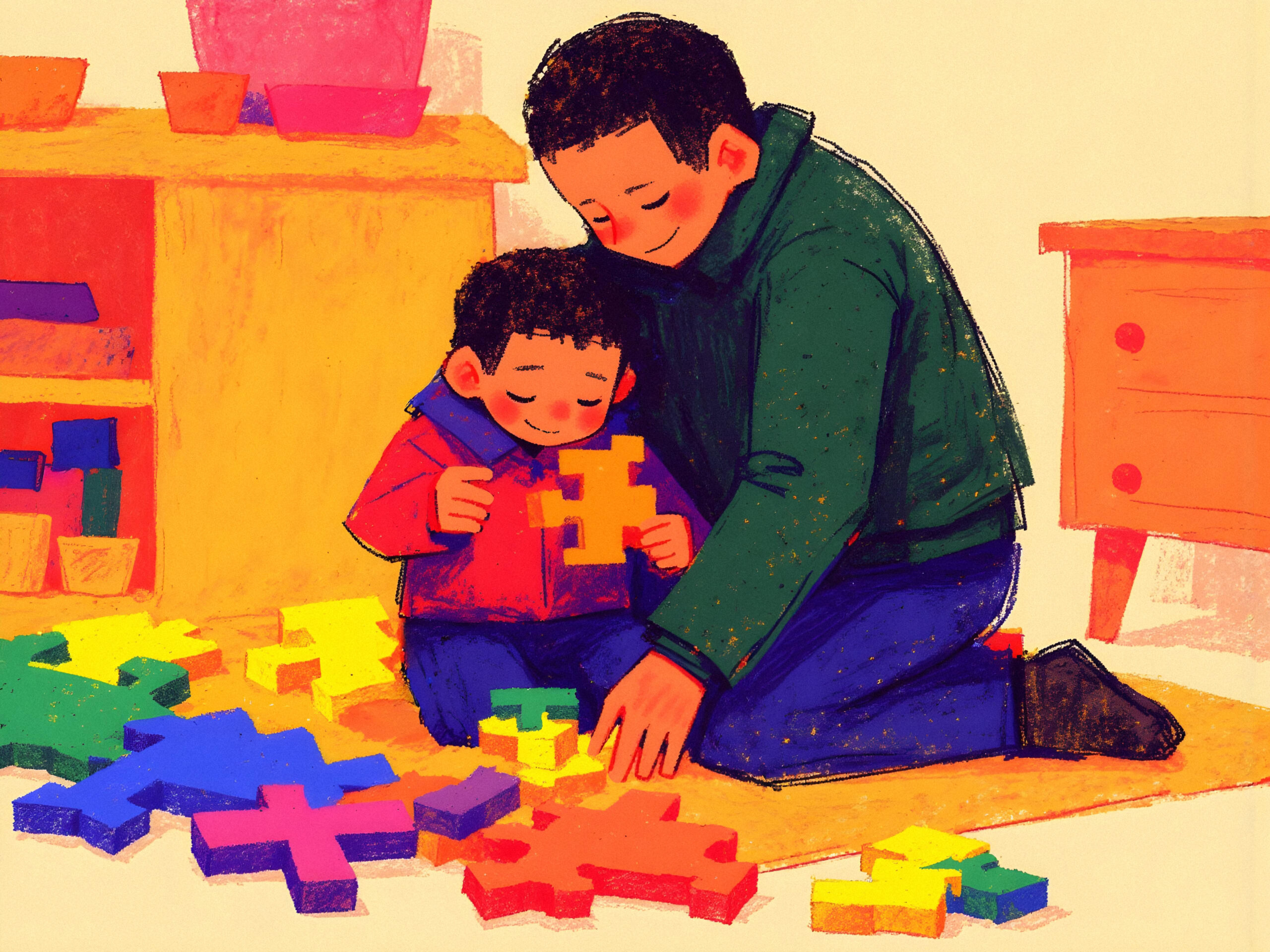
 Observed every year on 2nd April, World Autism Awareness Day designated by the United Nations in 2007 has evolved from awareness into a global call for acceptance, inclusion, and dignity.
Autism Spectrum Disorder (ASD) is a lifelong neurodevelopmental condition affecting communication, social interaction, and behaviour. With approximately 1 in 127 individuals globally (as per WHO, 2021) on the spectrum, autism is one of the most significant developmental conditions impacting families and communities. For platforms like The Special Mom, this day is a reminder that inclusion must move beyond dialogue into decisive action.
Neurodiversity Through the ESG Lens
Within ESG frameworks, the “Social” pillar emphasizes Diversity, Equity, and Inclusion (DEI). While corporates increasingly track gender and cultural diversity, neurodiversity remains underrepresented.
Inclusion of individuals with autism is not charity, it is strategic talent inclusion. Neurodivergent individuals often demonstrate:
- Strong attention to detail
- Advanced analytical and pattern-recognition abilities
- High focus and reliability
Embedding neurodiversity into DEI metrics through hiring, retention, and accessibility enables organizations to unlock untapped human potential while strengthening inclusive growth.
CSR and the Early Intervention Gap
 A critical gap in India and globally is limited access to early diagnosis and intervention. Evidence shows that early, structured support significantly improves developmental outcomes.
CSR can play a transformative role by supporting:
- Community-based early screening programs
- Therapy access (speech, occupational, behavioural)
- Inclusive education models
- Caregiver training and mental health support
At The Special Mom, we see that timely intervention not only supports the child but also empowers families, creating long-term societal impact.
Building Inclusive Workplaces
True inclusion must extend into employment ecosystems. Forward-looking organizations are reimagining:
- Hiring: Skills-based assessments over conventional interviews
- Onboarding: Structured, sensory-sensitive environments
- Retention: Mentorship, flexibility, and manager sensitization
When supported effectively, neurodivergent employees contribute with consistency, innovation, and loyalty. Inclusive workplaces are therefore not just ethical, they are high-performing and future-ready.
The Role of Partnerships
Sustainable change requires collaboration. Partnerships between corporates and grassroots organizations bring lived experience into program design and execution.
Support Platforms like The Special Mom enable:
- Community outreach and awareness
- Caregiver support networks
- Real-world insights for solution building
- Last-mile implementation
CSR becomes meaningful when it shifts from funding to co-creation, ensuring solutions are both relevant and scalable.
Aligning with Policy and Global Goals
Autism inclusion aligns with key global frameworks, including the UN Sustainable Development Goals (SDGs)—notably health, education, decent work, and reduced inequalities.
In India, the Rights of Persons with Disabilities (RPwD) Act, 2016 mandates inclusion, accessibility, and non-discrimination, reinforcing the need for corporates to integrate inclusion into governance and reporting practices.
A Collective Responsibility
Inclusion is not just a CSR initiative, it is a societal responsibility and a business opportunity.
By investing in neurodiversity, organizations build ecosystems that are more empathetic, innovative, and resilient.
At The Special Mom, we believe: “When you include a child, you empower a family. When you empower a family, you transform a society.”