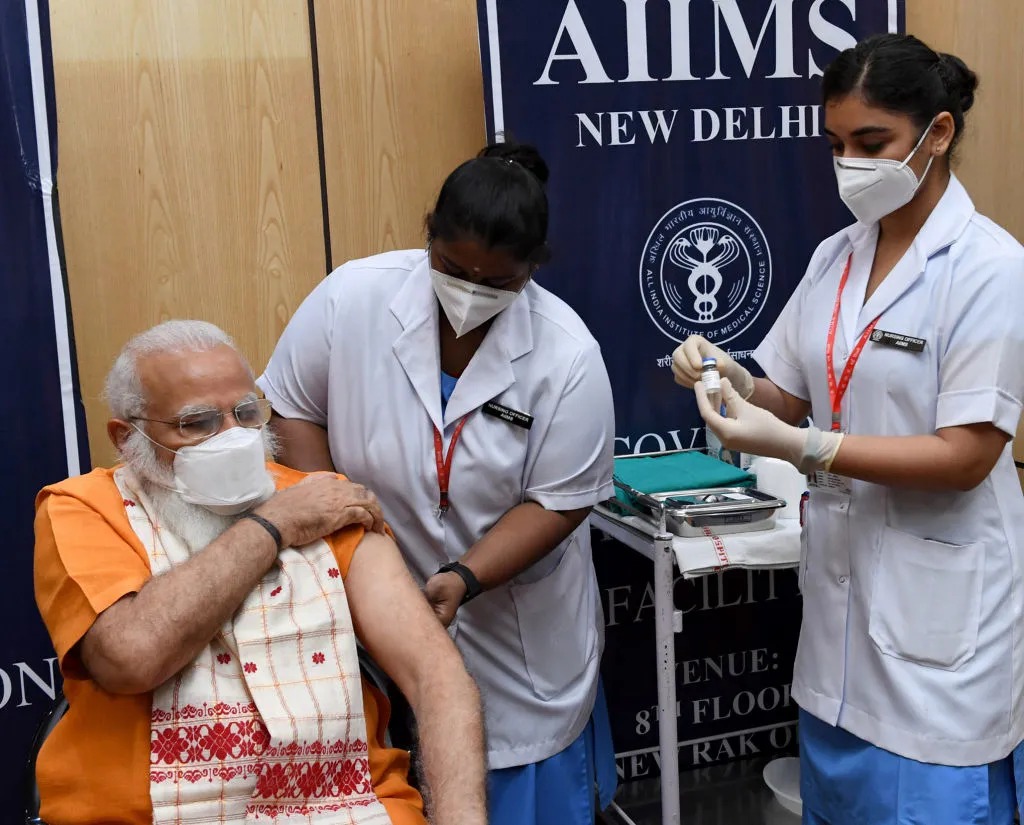
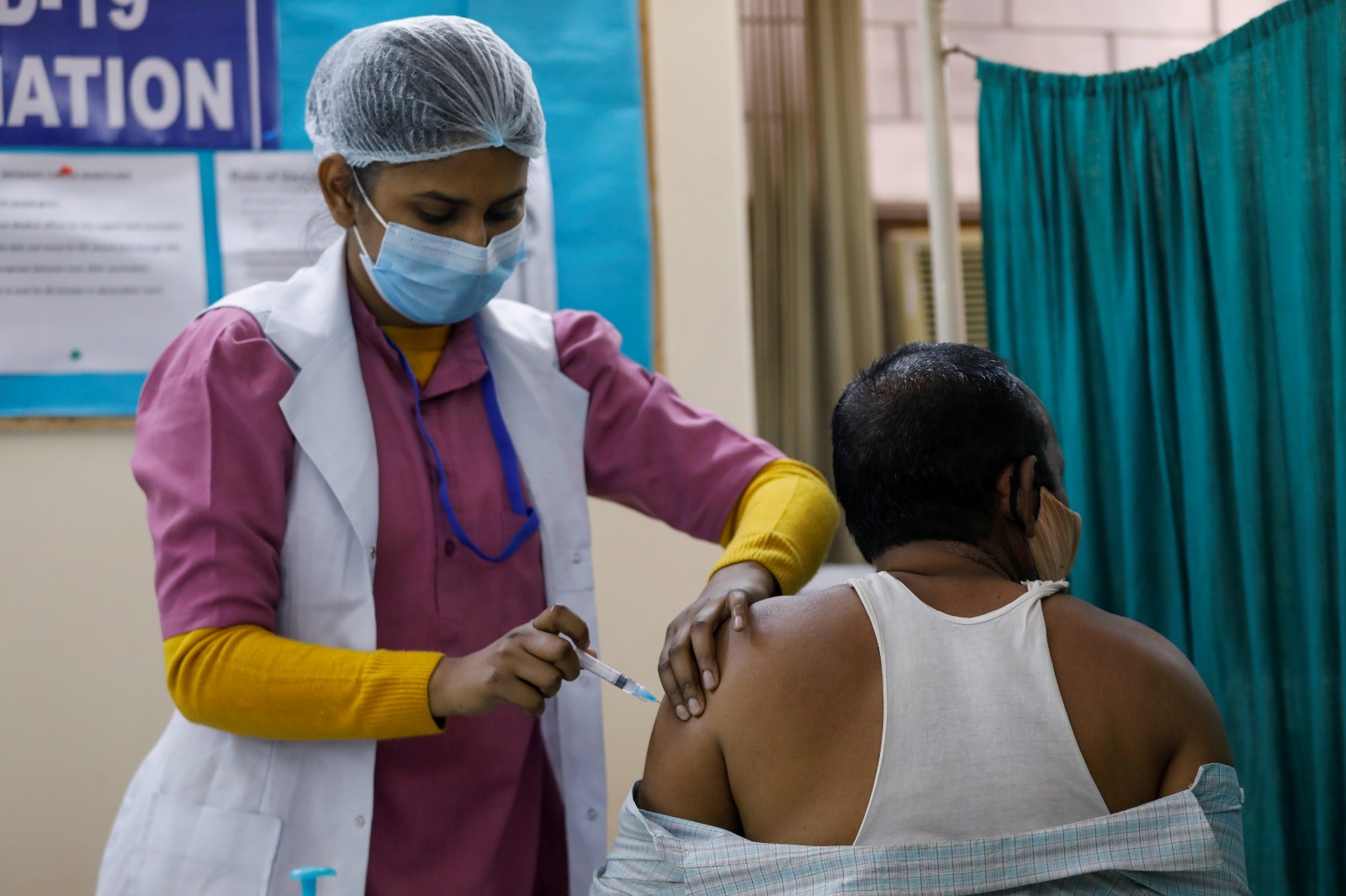
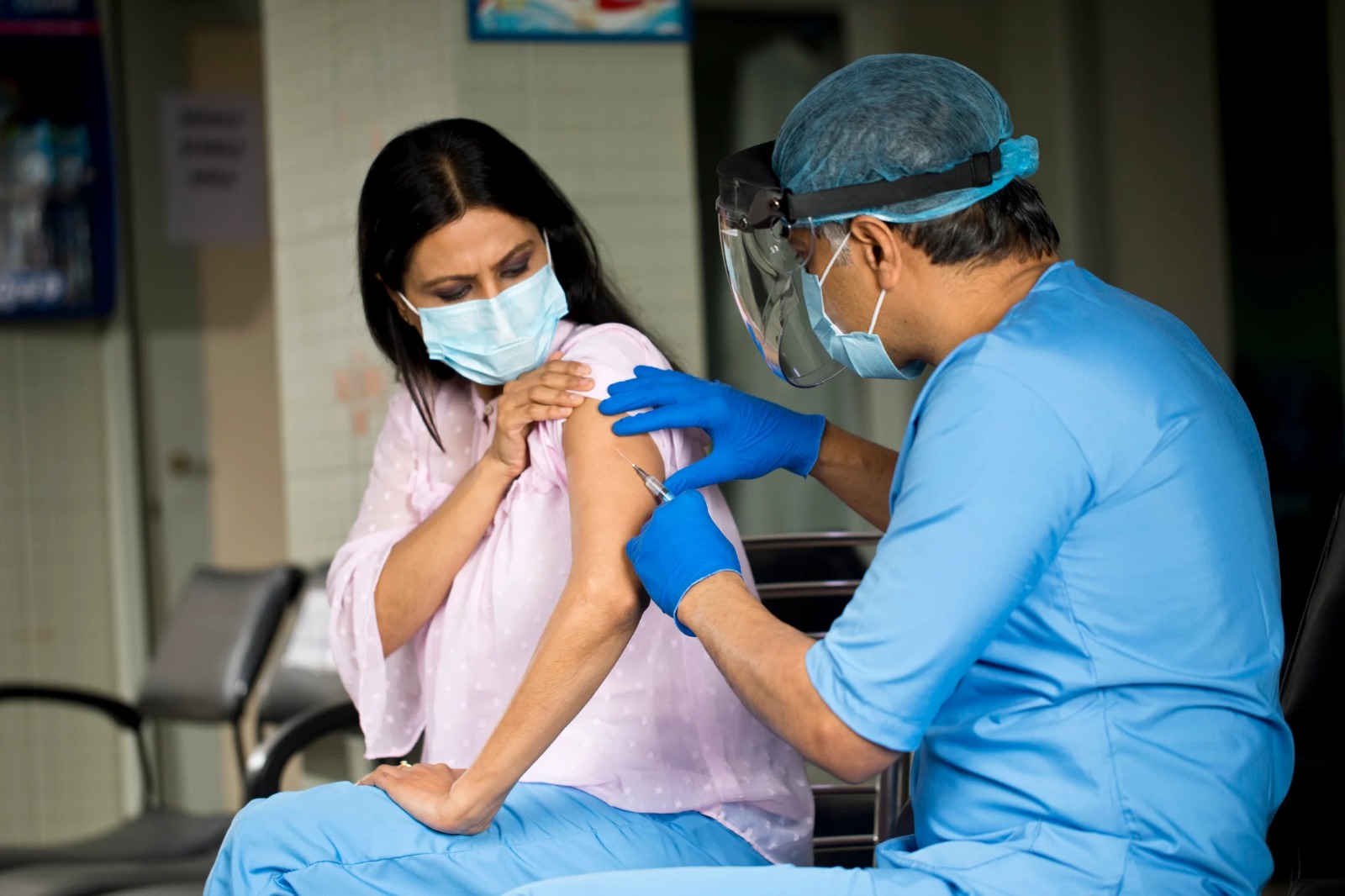
On March 16, 2026, India observes National Vaccination Day—a reminder of the transformative power of vaccines and the collective responsibility to protect future generations. Immunization remains one of the most cost‑effective public health interventions, credited with reducing global mortality and morbidity. In India, the Universal Immunization Programme (UIP) provides free protection against 12 vaccine‑preventable diseases, including tuberculosis, poliomyelitis, measles, and rotavirus diarrhoea. According to the National Family Health Survey‑5 (2019–21), 76% of children aged 12–23 months were fully immunized, a leap from under one‑third in 1993, with rural coverage rising to over 75%.
India’s Progress and Persistent Gaps
According to UNICEF and MoHFW data, India reduced “zero‑dose” children—those who had not received even a single vaccine—from 0.11% in 2023 to 0.06% in 2024, a remarkable achievement. Yet India still accounts for 6.4% of the global zero‑dose burden, underscoring the need for sustained efforts. WHO notes dropout rates where children receive initial doses but fail to complete the full schedule, weakening herd immunity. Research published in The Lancet Regional Health – South Asia highlights persistent vaccine hesitancy driven by misinformation and cultural resistance. Meanwhile, NITI Aayog’s 2025 health infrastructure review points to cold chain and staffing gaps in remote areas.
Government Interventions: Scaling the Promise
The Ministry of Health and Family Welfare confirms that Mission Indradhanush has vaccinated 5.46 crore children and 1.32 crore pregnant women since its launch in 2014. Digital platforms such as CoWIN, integrated into the Ayushman Bharat Digital Mission, have strengthened tracking and coverage of immunization nationwide. The UIP has expanded to include rotavirus, pneumococcal, and HPV vaccines. ASHAs and Anganwadi workers remain the backbone of last‑mile delivery, according to the National Health Mission Annual Report 2025.
CSR’s Strategic Role in Public Health Awareness
India’s CSR law has transformed corporate giving from one‑off philanthropy to strategic, long‑term initiatives aligned with national health priorities. Corporates can strengthen immunization indirectly by:
- Awareness campaigns: Infosys Foundation’s 2024 CSR report details initiatives countering misinformation.
- Infrastructure support: Tata Steel’s 2025 CSR programmes include funding mobile health units and cold chain equipment.
- Capacity building: Reliance Foundation’s 2025 annual CSR report highlights training programmes for frontline health workers.
- Community outreach: Reviews by CSRBOX (2025) emphasize how corporates are partnering with NGOs in aspirational districts.
- Innovation pilots: The World Economic Forum (2024) showcases CSR‑backed innovations such as solar‑powered vaccine storage.
Best Practices in Public Health
- Pulse Polio Campaign (India): Documented by WHO in 2019, this remains a landmark example of mass mobilization that eradicated polio through government‑NGO‑corporate collaboration.
- Mission Indradhanush (India): MoHFW dashboards (2025) show targeted drives in underserved districts raising coverage significantly.
- Gavi, the Vaccine Alliance (Global): Its 2024 progress report demonstrates how public‑private partnerships expand vaccine access in low‑income countries.
- CSR‑supported health camps (India): The India CSR Outlook Report 2025 highlights companies like Infosys and Tata Steel funding health camps that indirectly boost immunization uptake by building trust and access.
Case Study: Deepalaya’s Healthcare Outreach
Deepalaya’s 2025 annual report shows how the NGO strengthens public health outreach even without conducting vaccination drives. Its community health programmes focus on preventive care, lifestyle disorder awareness, and menstrual health education. Free health camps in Delhi’s slums and peri‑urban communities provide screenings, consultations, and essential medicines. In remote aspirational districts, Deepalaya operates a dedicated Vision Centre that delivers eye care services, including cataract detection and surgeries, along with secondary healthcare support. These initiatives complement government vaccination programmes by building trust, improving access, and raising awareness—all essential for increasing uptake.
The Need of the Hour
As India commemorates National Vaccination Day, the priorities are clear:
- Close coverage gaps by focusing CSR and NGO partnerships on lagging districts.
- Combat hesitancy by amplifying culturally sensitive messaging through corporate platforms.
- Strengthen infrastructure with investments in cold chain and logistics.
- Align CSR with government priorities like Mission Indradhanush and UIP.
- Measure impact with evidence‑based metrics for CSR projects.
Conclusion: Shared Responsibility for a Healthier India
Vaccines have saved millions of lives, but their promise depends on collective action. Governments provide policy and infrastructure, NGOs deliver last‑mile trust and outreach, and corporates bring resources, innovation, and communication power. Together, they can ensure that every child, regardless of geography or income, receives the protection they deserve.
On National Vaccination Day 2026, the call to action is unmistakable: CSR leaders must partner with NGOs and government programmes to close immunization gaps, strengthen awareness, and build healthier communities. This is not just compliance—it is a strategic investment in India’s future.