With the advent of the NGO Day this year, and every year in the past, unfurls an opportunity for celebration of civil society. This is also an opportune time for us to pause and reflect on the deeper meaning of service, solidarity, and social responsibility. For me, personally, NGO Day is much more than a date on the calendar; it makes me reflect on the journeys undertaken, communities transformed, and the countless unsung heroes who quietly reshape the world every single day.
My journey in the social development sector has taught me that NGOs are far more than institutions executing projects.
They are the animate entities that constitute the living, breathing bridges that bridge the gap between policy and people, between aspiration and access, between promise and practice. They operate where the market hesitates and where governance sometimes struggles to reach. In that space, NGOs listen, adapt, innovate, and act.
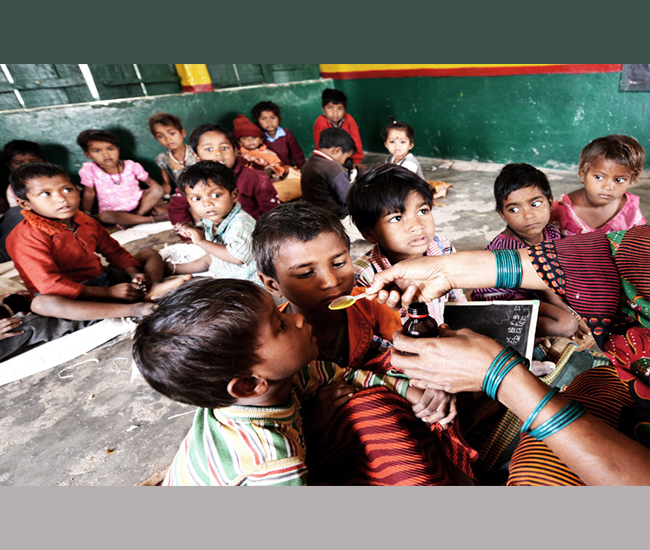
When I began interacting with grassroots communities, I was struck by the resilience that exists even in the most marginalized settings. However, resilience alone is not enough. It requires partnership, advocacy, and sustained intervention to convert it into opportunity. NGOs play a vital role and are often reckoned as catalysts in bringing about this transformation. Their valuable contribution spans diverse fields like education, healthcare, gender empowerment, environmental sustainability, or skill development. They register a deep impact by their ability to stay connected to real human stories.
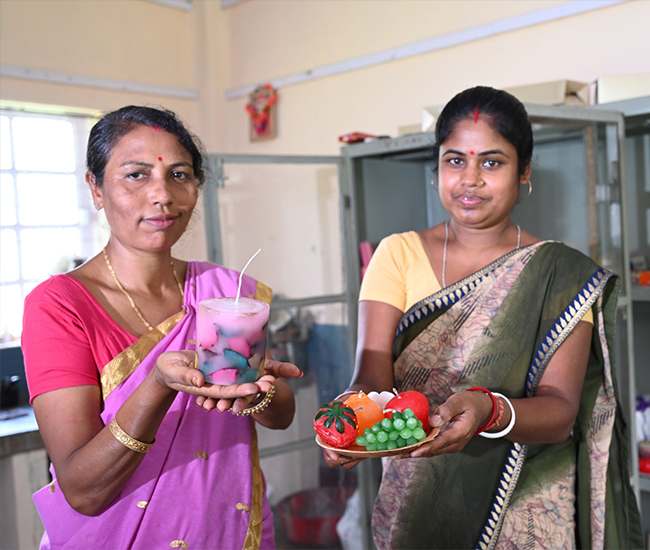
Over the years, I have seen NGO teams work in flood-affected regions with minimal resources yet boundless determination. I have been introduced to young volunteers who do not let the long distances or several miles dissuade them from conducting awareness sessions on menstrual health, digital literacy, or financial inclusion. I have witnessed women’s self-help groups evolve into micro-entrepreneurs, not because of charity, but because someone believed in their potential and invested in capacity building.
NGO Day reminds us that social change is not a solitary endeavor. It is collaborative. The relationship between NGOs and Corporate Social Responsibility (CSR) has become particularly significant in recent decades. CSR has moved beyond philanthropy to strategic social investment.
CSR initiatives can create sustainable and measurable impact, to a large extent due to their dependence and reliance on credible NGO partners who understand local contexts. In my experience, the most successful CSR–NGO partnerships are those built on trust and shared vision rather than transactional engagement. For a true partnership to exist, there should be a mutual recognition and appreciation for the value that each entity brings. Extraordinary outcomes can be achieved when corporations understand and respect the domain expertise of NGOs and NGOs in turn appreciate the scale and structure that corporates bring. Transparency, accountability, and long-term commitment form the foundation of such partnerships.
One of my most powerful lessons has been the one where I have learned that impact cannot be rushed. Social transformation demands patience. A three-month project cycle may generate reports, but a three-year sustained intervention builds ecosystems. NGO Day should encourage us to move away from short-term optics toward long-term outcomes. Development is not a sprint; it is a marathon that requires continuity. Another important dimension is innovation. NGOs by virtue of their closeness to the ground, are often the first to pilot new models. From community radio initiatives to mobile health vans, from digital classrooms in rural belts to climate-resilient agriculture training, NGOs frequently experiment with solutions that later inform larger policy frameworks. During crisis situations we have seen the agility that allows them to respond quickly to emerging needs—when civil society stepped in to fill critical gaps.
NGO Day must also allow us to ponder and introspect. The challenges that mark this sector are —funding volatility, regulatory complexities, capacity constraints, and increasing expectations for measurable impact. To remain effective, NGOs must invest in governance systems, financial transparency, impact assessment, and leadership development. Passion alone is not effective, unless it is fueled by professionalism.
My interactions with young social entrepreneurs and volunteers make me realize their sense of renewed energy. The modern generation is aware and conscious of social inequities and climate change. They seek purpose alongside profession. NGO Day can bring to them a platform that can inspire them to engage meaningfully—whether through volunteering, research, advocacy, or social enterprise. Civil society thrives when new voices join the dialogue. Personally what continues to inspire me are the stories of dignity that are restored. A child who returns to school after years of labor. A rural artisan who is equipped and able to access digital marketplaces. A community gaining access to clean drinking water. These are not abstract indicators; they are life-altering milestones.
A group of people who chose service over personal comfort and purpose over convenience worked relentlessly towards helping create those milestones- slowly but surely! No achievement in the social sector is ever individual; it is always the result of collective effort, shared belief, and long hours that often go unseen.
The conditions and environments in which the field workers operate is often very difficult. Yet in the body of work that they deliver we often forget and fail to acknowledge the emotional weight that social work carries. They encounter poverty, systemic injustice and often witness families coping with trauma at close quarters. It is a practical reality for them and not just theoretical. Almost every day they hear and cope with stories of struggle — and yet don’t give up, each morning sees them returning with renewed resolve. That quiet resilience deserves recognition.
NGO Day should not be limited to a celebration of institutions. It should also facilitate and honor the people behind them — the coordinators who hold programmes together, the volunteers who give their time selflessly, the social workers who stand at the frontlines, and the community leaders who turn local challenges into collective action. It is also about acknowledging beneficiaries who, through support and opportunity, become changemakers in their own right. Real transformation happens when communities move from receiving help to shaping their own futures.
Looking ahead, the role of NGOs will only grow in importance. The challenges before us are layered and interconnected — climate adaptation affecting vulnerable livelihoods, rapid urban migration reshaping communities, widening digital divides limiting opportunity, and the ongoing need for stronger public health preparedness.
A collaborative approach that is rooted in empathy and evidence and gives rise to solutions that develop based on that, are the need of the hour. They further reveal that such issues require joint action and single institutions can’t address it alone.
If the past has shown us anything, it is this: when committed people come together with integrity and purpose, change is not only possible — it is inevitable. Governments, corporates, academia, and civil society must function as partners rather than silos. NGO Day symbolizes this spirit of collective responsibility.
For CSR leaders reading this, I encourage a shift from compliance-driven CSR to compassion-driven strategy. View NGOs not merely as implementing agencies but as knowledge partners. Engage them in co-creation, not just execution. Invest in institutional strengthening, not only program delivery. When we empower organizations, we amplify impact. For NGOs, my message is to continue nurturing credibility and community trust. Document stories. Measure outcomes. Build networks. Advocate ethically.
While innovation is to be embraced, remaining grounded in values should also be an important consideration. NGO Day must transcend beyond being viewed not as a mere date on the calendar, but a reminder of a simple truth: social progress is a shared responsibility. It does not belong only to governments, institutions, or organizations. It belongs to all of us.
Policies may be drafted in boardrooms and ministries, discussed in meetings and framed in official language. Real change cannot be brought about on paper; it must be practical, rooted in reality. It occurs in villages where livelihoods are rebuilt, in classrooms where a child learns to believe in their future, in clinics where care reaches those who need it most, and in community centres where people come together to solve their own challenges. That is where transformation establishes itself.
When I reflect on my own journey, what stands out very strongly are the partnerships built along the way — the trust, the shared purpose, and the lessons that communities themselves taught us. I am very grateful to the people who opened their doors, shared their struggles, and allowed us to walk alongside them.
NGO Day, therefore, is not merely about acknowledging organizations. It is about celebrating hope in action — hope that is patient, persistent, and practical. When an attempt is made to organize hope, support it and sustain it, it becomes something far greater. It becomes a transformation!