
- Initiative now spans five villages in Sangrur, strengthening community-led waste management systems, benefiting over 16,000 citizens
- Aims to advance circularity through improved waste segregation, diversion of over 330 MT of waste from landfills, and enhanced livelihood opportunities for waste workers
Sangrur, Punjab, 19 June 2026: Reaffirming its efforts towards strengthening circular waste management ecosystems and advancing environmental stewardship, PepsiCo India, in partnership with the Department of Water Supply and Sanitation (DWSS), Punjab, and Participatory Learning and Action Network (PLAN) Foundation, has expanded Project Purna in Bhawanigarh Block, Sangrur. Guided by PepsiCo India’s Partnership of Progress philosophy, the initiative aims to develop replicable and sustainable Swachh Gaon models through community-led waste management systems.
The new Integrated Solid Waste Management (ISWM) Project builds on the success of last year’s pilot across Kapial, Batriana, and Akbarpur villages and will expand to Channo and Sangheri in 2026. Together, the project will cover over 3,300 property units and benefit more than 16,000 citizens across five villages. Through the Swachh Gaon model, the initiative aims to divert over 330 MT of waste from landfills, engage and professionalize over 57 waste workers, and operationalize six waste management units.
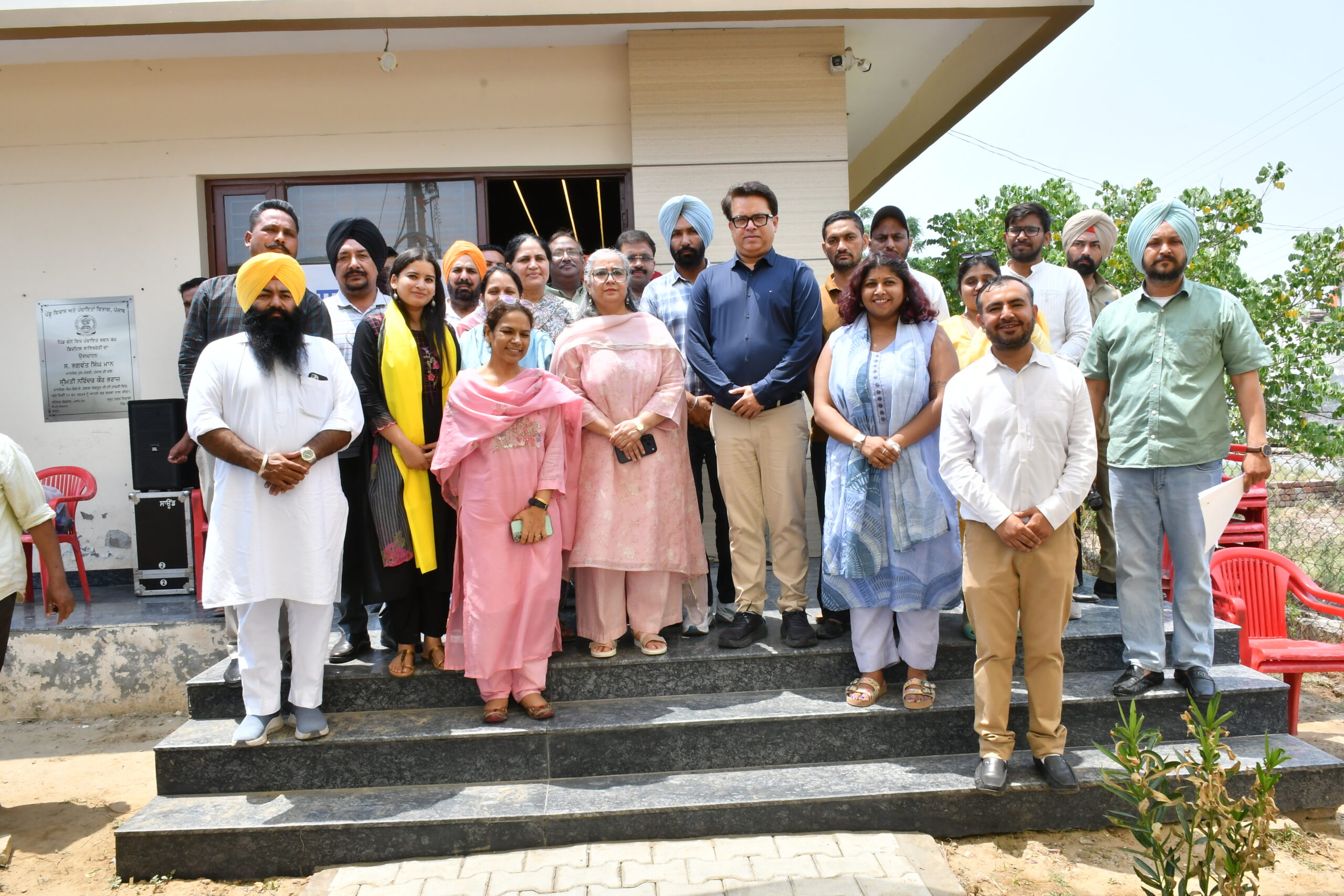
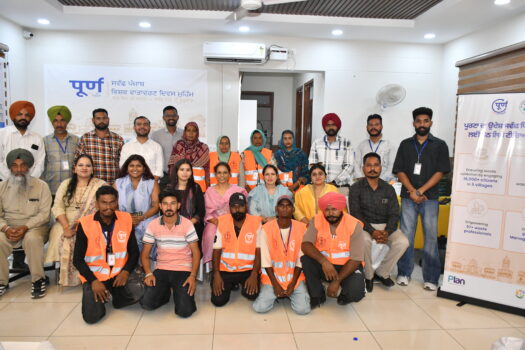
To mark the expansion of Project Purna, the event held at Panchayat Office/Library in Channo, brought together government officials, Panchayati Raj representatives, waste workers, community members, school children for the expansion of Integrated Solid Waste Management (ISWM) interventions across five villages. Chief guests included Smt. Poonamdeep Kaur, IAS, Deputy Commissioner, Sangrur, along with Smt. Manjit Kaur, PCS, SDM, Bhawanigarh; Mr. Manoj Malhotra, Superintending Engineer (DWSS) & Director Sanitation, Punjab; Mr. Gurdarshan Singh, Block Development and Panchayat Officer (BDPO), Bhawanigarh. Representing PepsiCo India was Ms. Antara Kapoor, Social Impact Lead, PepsiCo India.
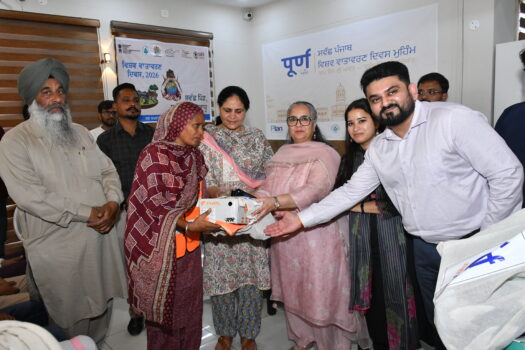 Speaking on the occasion, Smt. Poonamdeep Kaur, IAS, Deputy Commissioner, Sangrur, highlighted “Solid and liquid waste management remains one of the most pressing challenges facing rural communities today. Appreciate PepsiCo for stepping forward to support the Solid Waste Management programme and commend PLAN India for its dedicated efforts in implementing Project Purna. The initiative has helped establish a more organized system for waste collection and management in the village. While infrastructure and systems are important, sustained success depends on community participation and the adoption of source segregation practices. Recognizing Project Purna’s potential to serve as a model for other villages, we call upon residents, Panchayat members, and local institutions to actively support the initiative and work collectively towards building cleaner, healthier, and environmentally sustainable communities.”
Yashika Singh, Chief Corporate Affairs Officer and Sustainability Head, PepsiCo India and South Asia, said, “At PepsiCo India, we believe meaningful environmental change starts at the community level. Project Purna reflects our ‘Partnership of Progress’ approach, bringing together communities, local authorities, and partners to strengthen waste management and drive circularity on the ground. Building on the positive outcomes we’ve seen in other regions, we are confident that the launch of Project Purna in Sangrur will support community-led solutions that create lasting environmental and social impact. Our focus remains on building scalable models that encourage long-term behaviour change, strengthen circular systems, and support resilient livelihoods at the last mile.”
Mr. Bhuwan Kapri, Project Manager, PLAN Foundation said, “Strong partnerships between communities, Panchayats, government departments, and the private sector is important in building sustainable waste management systems. Continued community ownership and institutional support will be critical to achieving the project’s long-term goals and creating replicable Swachh Gaon models across Punjab.”
During the event, waste segregation bins were distributed, safety kits were provided to sanitation workers, and pedal and e-rickshaws were flagged off to strengthen door-to-door waste collection. A plantation drive was also conducted as part of Environment Week celebrations, while student artwork promoting environmental awareness was showcased at the venue. Children who participated in drawing and poster-making competitions were felicitated.
Through Project Purna, PepsiCo India, in partnership with DWSS and PLAN Foundation, is demonstrating how community ownership, source segregation, decentralized waste management, and inclusive livelihoods can create cleaner, healthier, and climate-resilient villages. The initiative reflects PepsiCo India’s efforts towards advancing circularity through purpose-driven partnerships while contributing to sustainable Swachh Gaon models.