
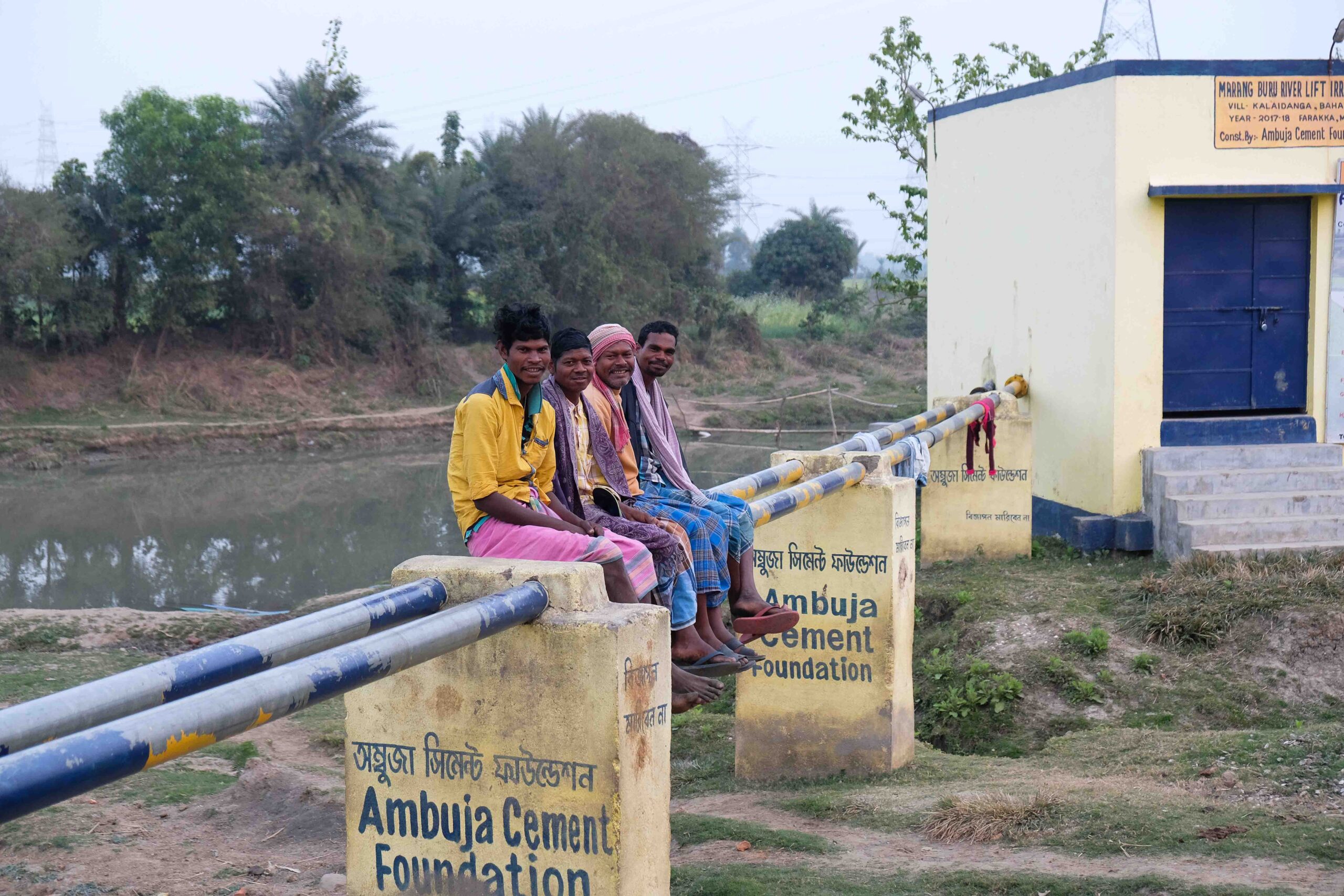
 Mumbai, 15th July 2026: Addressing the irrigation challenge in twenty-three villages in Farakka town, Murshidabad, West Bengal, Ambuja Foundation supported 5700 farmers in building River Lift Irrigation systems, adopting multi-cropping practices and doubling their incomes.
Following an extensive survey conducted by agricultural experts, Ambuja Foundation decided to construct River Lift Irrigation (RLI) systems as a sustainable solution to solve irrigation problem in the area. The foundation along with partners established twenty-five River Lift Irrigation systems across twenty three villages, covering nearly 747 hectares of farmland and directly benefiting over 5,700 farmers. The initiative has transformed the lives of rural communities by supporting the villagers with assured irrigation system and year-round cultivation.
Designed to lift river water to higher elevations and distribute it through an underground pipeline network, the RLI system ensures efficient water delivery across large agricultural landscapes while minimizing land loss and maintenance costs. To execute the project, Ambuja Foundation established Water User Groups (WUGs) in all twenty three villages to oversee operations, manage finances, and maintain the systems. Local pump operators have also been engaged to ensure smooth functioning. These community-led institutions generate sufficient revenue to cover operational expenses, maintenance costs, and operator wages while creating surplus funds for future upkeep.
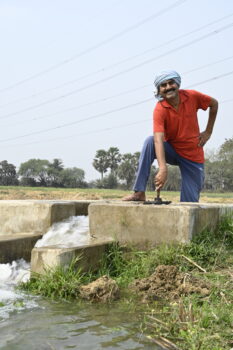 The 747-hectare agriculture area, which was previously dependent on a single crop cycle in these twenty three villages, has now been converted into productive multi-cropping land. Cropping intensity has increased from 100 percent to 250 percent, while irrigation efficiency has improved by nearly 30 percent, resulting in lower irrigation costs and better utilization of water resources. The impact of the RLI project has been significant on the agriculture of the area. Farmers have witnessed a significant rise in their income after its installation.
With reliable access to irrigation, Farakka farmers have also diversified their farming methods and are now growing Rabi crops such as mustard, wheat, and maize, along with vegetables including cabbage, cauliflower, potato, and tomato after the paddy harvest season. The availability of water throughout the year has enabled farmers to cultivate their land two to three times annually, significantly enhancing agricultural output and income.
The economic benefits have been equally remarkable. Prior to the installation of the RLI systems, the average annual income per acre ranged between ₹25,000 and ₹30,000 in the project area. Today, farmers are earning between ₹80,000 and ₹1.5 lakh per acre annually, representing an increase of more than twofold. Also, agricultural land values in the project area have increased by nearly 20 percent, further strengthening household assets and economic resilience.
Speaking about the project, Mr. Chandrakant Kumbhani, CEO, Ambuja Foundation, said, “Ambuja Foundation is committed to bring a meaningful change in rural India. Therefore, we supported rural communities in Farakka with River Lift Irrigation system which allow families to secure sustainable livelihoods within their own villages. We look forward to collaborate on more projects under our sustainable agriculture program to strengthen and support rural communities on their journey toward economic resilience.”