
 11th June, 2026: SBI Foundation and AROH Foundation have undertaken a series of impactful environmental conservation initiatives across Uttar Pradesh, Punjab, and Sikkim under the SBI Gram Seva Project. These interventions, focused on water conservation, groundwater recharge, afforestation, sanitation, and community participation, are creating long-term environmental and social benefits for rural communities.
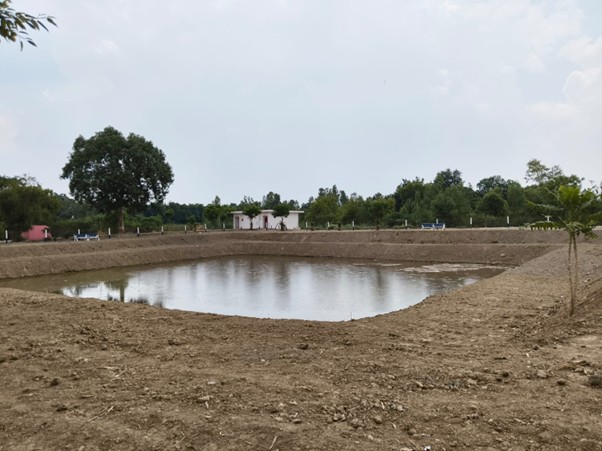
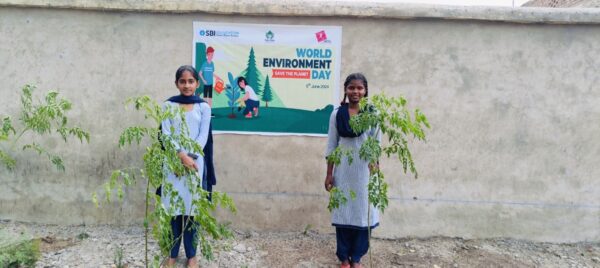
In Hardoi, Uttar Pradesh, a tree plantation program was organized at the pond premises near Shiv Jangleshwar Temple in Gram Panchayat Mahmadapur on the occasion of World Environment Day. Community members, local leaders, and project stakeholders came together to plant 31 saplings, reaffirming their commitment to environmental protection and increased green cover. The initiative complemented the ongoing developmental efforts under the SBI Gram Seva Project, which include livelihood promotion, agricultural support, veterinary services, waste management, educational infrastructure development, pond rejuvenation, and water conservation measures.
Meanwhile, in Punjab, significant strides were made toward sustainable water management and ecological restoration across the villages of Issa Panjgrain, Rana Panjgrain, Guddar Panjgrain, Chak Panje Ke, and Nau Behram Sher Singh Wala. A total of 21 rainwater harvesting pits were constructed to enhance groundwater recharge and improve water availability. To strengthen environmental sustainability, a large-scale plantation drive resulted in the planting of 910 saplings across schools, playgrounds, village roadsides, crematorium grounds, and Gram Seva Kendras. These interventions are expected to improve biodiversity, enhance air quality, and contribute to climate-resilient rural communities.
In the hilly terrain of Soreng district, Sikkim, a comprehensive programme of water conservation, sanitation, and environmental restoration has been transforming lives across the villages of Karthok, Malbasey, Singling, Budang, and Mangsari. The initiative included the construction of 42 soak pits, helping rainwater percolate back into the ground and improving local water availability. Additional infrastructure such as composite waste management pits, a biomedical waste sharps pit, and two 10,000-litre water storage tanks have strengthened sanitation and water security for local communities.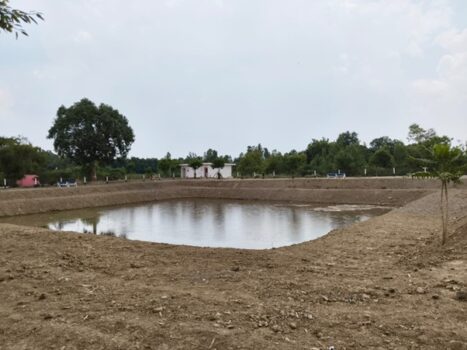
The project also restored irrigation canals in Mangsari and Budang, benefiting farming households through improved access to water for agriculture. Check dams constructed across Malbasey, Budang, and Mangsari are helping prevent soil erosion, enhance groundwater recharge, and improve water retention. Further contributing to ecological restoration, a Jan Van Plantation Drive led to the planting of 400 saplings across the region, supporting long-term environmental sustainability and landscape restoration.
Collectively, these initiatives demonstrate the integrated approach adopted by SBI Foundation and AROH Foundation toward environmental conservation and rural development. Across the three states, a total of 1,341 saplings were planted, while critical water conservation infrastructure—including 63 rainwater harvesting and soak pits, irrigation improvements, water storage systems, and check dams—has strengthened the resilience of rural communities against water scarcity and environmental degradation.
Speaking on the occasion, Mr. Swapan Dhar, Managing Director and Chief Executive Officer of SBI Foundation, reiterated the Foundation’s commitment to holistic rural development. He emphasized that environmental conservation, sustainable water management, afforestation, and community-led development remain key focus areas under the SBI Gram Seva Project. He noted that these initiatives reflect the Foundation’s vision of creating environmentally sustainable and socially empowered rural communities through long-term partnerships and grassroots participation.
The interventions across Uttar Pradesh, Punjab, and Sikkim highlight how community-driven efforts, supported by robust infrastructure and environmental stewardship, can create lasting impact. By improving water security, increasing green cover, strengthening sanitation systems, and encouraging local participation, the SBI Gram Seva Project continues to contribute meaningfully toward building resilient, sustainable, and prosperous rural communities across India.