
Dr Arvind Kumar
EHS—Environment, Health and Safety—is very important for businesses to be responsible. In India the “S” or Safety part has become very important with new labour codes. In November 2025, India consolidated 29 archaic labour laws into four simplified, modernized codes: the Code on Wages, Industrial Relations Code, Occupational Safety, Health and Working Conditions Code, and Code on Social Security. These new rules are meant to make old laws simpler and better. They focus on worker welfare, safety at work and fair wages for growth. For businesses that care about being socially responsible this is a chance to show they care about workers.
Historically, India’s labour laws were spread across about 30 different laws, and were hard to understand. To make things simpler the government compiled them in four labour codes. The aim was to balance growth with fairness to workers. The “S” in EHS is very important in these codes. They make sure workers are treated with respect and the workplaces are safe. Pay is fair.
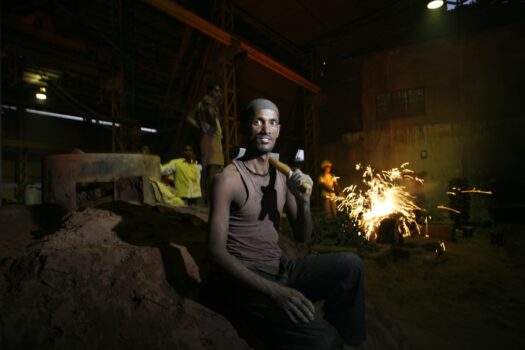
Worker welfare is now a concern for sustainable businesses. The codes say all workers must have security. This includes gig and platform workers getting benefits for the time. They also need things like clean water, restrooms, medical help and childcare in big establishments. Working hours must be reasonable. For businesses that care about CSR these are quite helpful to show they care. Helping workers with health, skills or family support makes workers trust and be loyal to their employers. In fact, many companies are beginning to see welfare not as a cost but as an investment. A healthier, happier workforce is more productive, less likely to leave, and more willing to innovate. This shift in mindset is crucial for India’s growing industries, where human capital is the most valuable resource.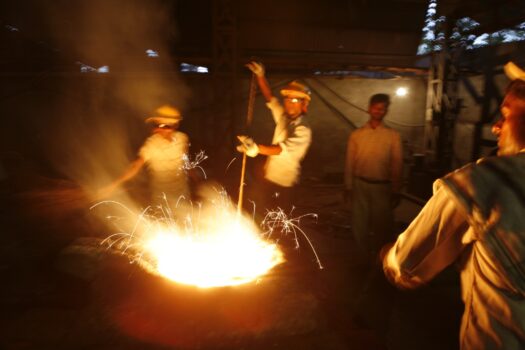
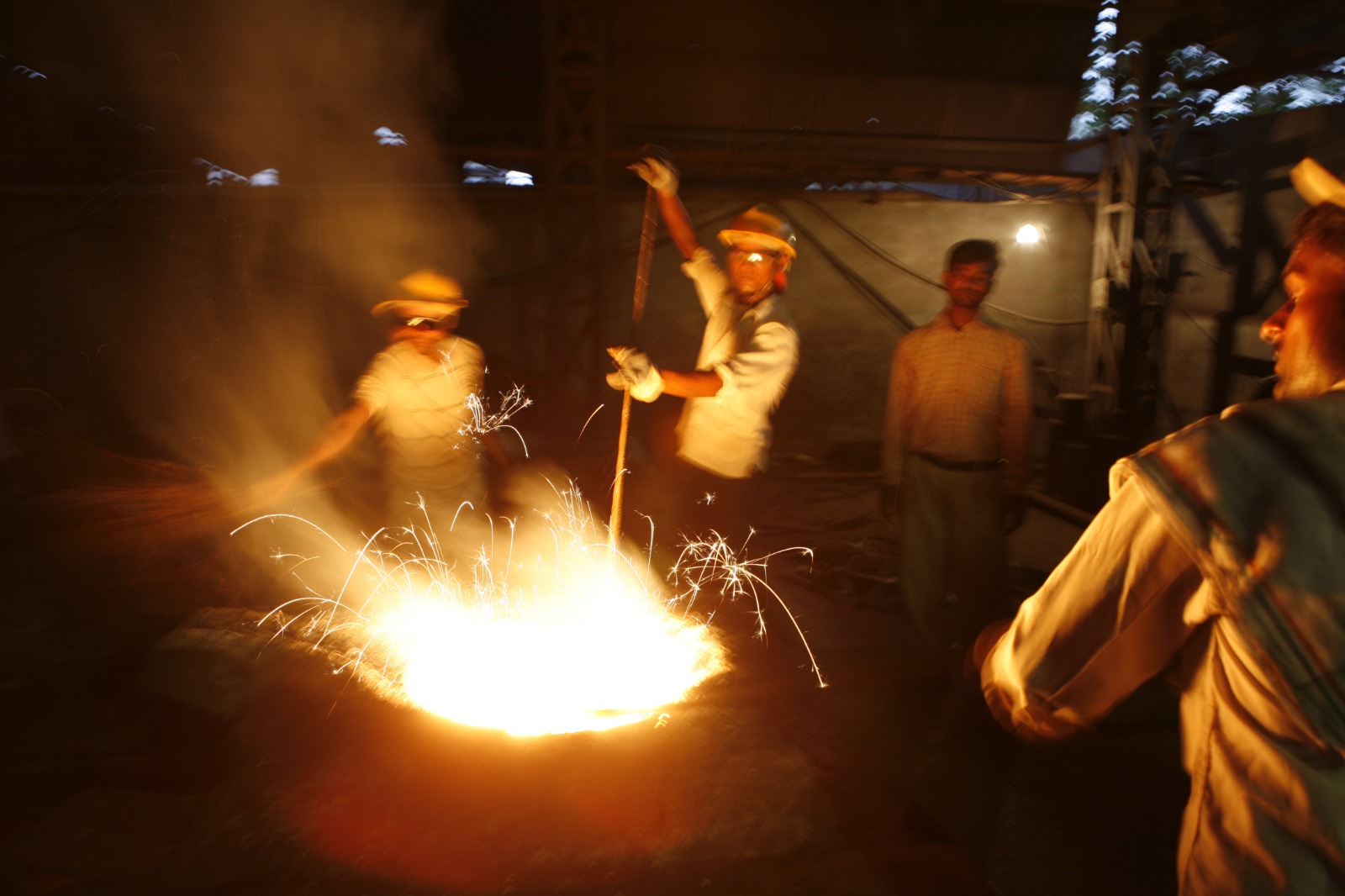
 Occupational safety has been a challenge in India in construction, mining and manufacturing sectors. The new codes stress safety standards, risk checks and worker involvement in safety. Safety is not about preventing accidents; it’s about creating a culture of care. Companies that invest in safety gear, training and emergency plans show they value life. Beyond compliance, safety initiatives also reduce downtime, prevent costly litigation, and build a reputation for responsibility. For example, firms that adopt international safety certifications often find it easier to attract global partners and investors.The Code on Wages is equally important. It sets a minimum wage for all workers, makes sure wages are paid on time and says wages must be equal for work. Fair wages are not about money; they are about respect. By paying wages, businesses help reduce poverty and make society stable. For CSR leaders fair wages are a part of being ethical. When wages are fair, families can plan for education, healthcare, and better living standards. This creates a cycle of empowerment that benefits communities and strengthens the economy.
Corporate Social Responsibility is often about the environment or charity. The “S” in EHS reminds us, it starts at home with our workers. When businesses focus on worker welfare, safety and fair wages then it has an impact. Companies that treat workers fairly attract talent and do well in the long run. Workers who are happy, work better and create new ideas. Fair wages help families and safe workplaces reduce injuries. CSR stories that highlight worker well‑being resonate strongly with stakeholders, because they show responsibility in action rather than just words.
Of course implementing these new provisions will not be easy. Small businesses might struggle with the costs. The government needs to ensure these rules are enforced properly. However these challenges can also lead to ideas. For example, digital health checks or mobile childcare can help. Working with NGOs can also support workers beyond their jobs. Industry associations can play a role too, by sharing best practices and pooling resources for welfare initiatives.
The new labour codes are a welcome change for India. They make worker welfare, safety and fair wages parts of business. For CSR practitioners this is a call to action. We need to support workers and share stories of fairness. Ensure progress is not just about profits but about improving lives.
The “S” in EHS is a promise. A promise that every worker matters, every wage is a sign of respect and every workplace is safe and respectful. As India moves forward with these labour codes lets keep this promise, not just in law but, in practice.