
Across rural India, development investments have expanded significantly in both scale and intent. Yet, despite this progress, outcomes often remain fragmented and difficult to sustain beyond project cycles. As the sector evolves, there is a growing recognition that convergence is key to sustainability, ensuring that efforts across stakeholders, systems and communities translate into long-term outcomes.
Drawing from over 30 years of rural development experience, working across more than 2,500 villages and impacting over 16 lakh lives, Srinivasan Services Trust (SST), the social arm of TVS Motor Company, found that sustainable transformation depends on how effectively community ownership, strong processes and public systems come together.
From Participation to Ownership
At the heart of sustainability lies community ownership. At SST, village priorities emerge through Oor Kootams (village meetings) and participatory planning processes that bring together women, farmers, youth and local leaders. The use of Participatory Rural Appraisal (PRA) enables communities to analyse challenges, identify root causes and prioritise actions collectively, shifting them towards collective decision-making and shared responsibility.
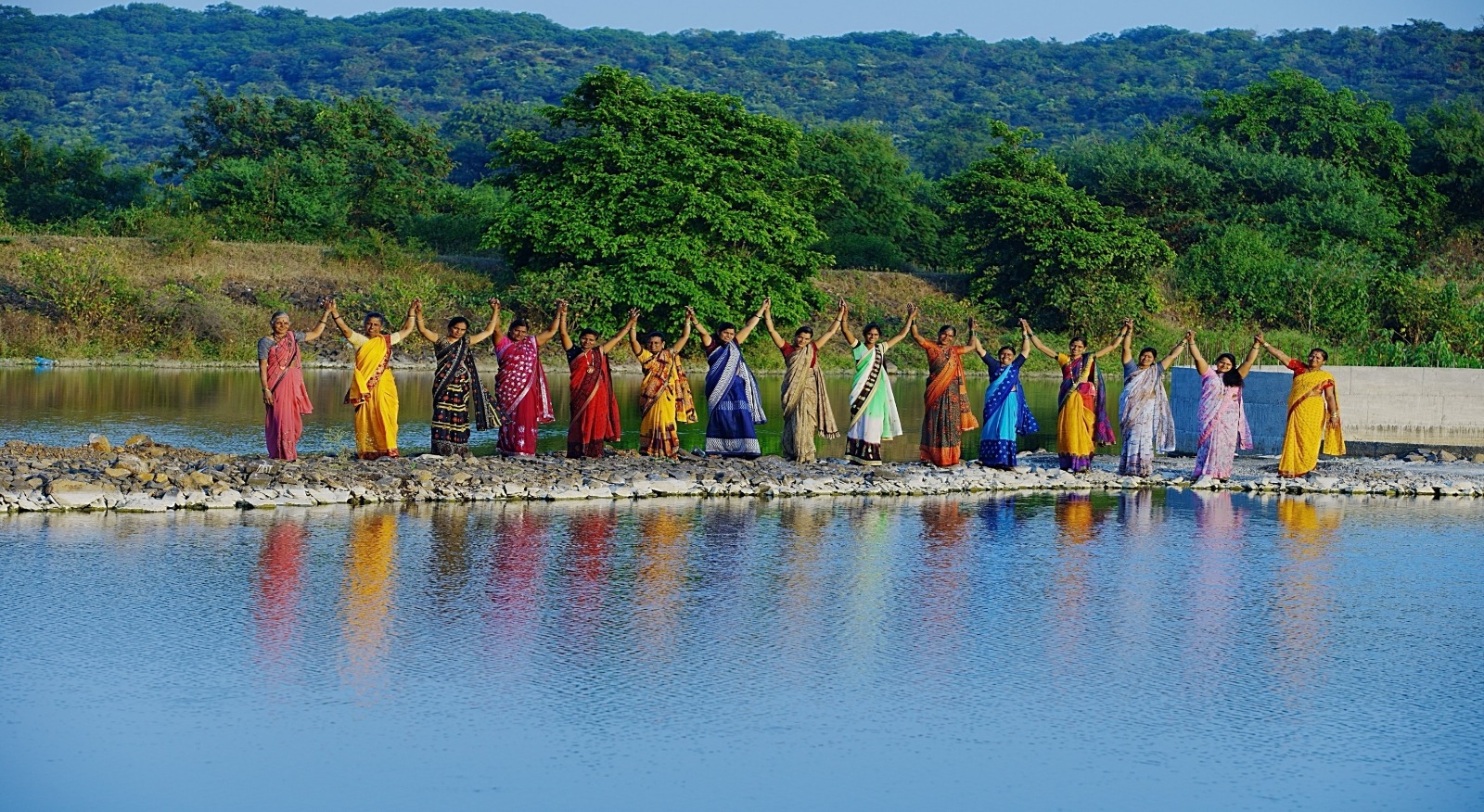
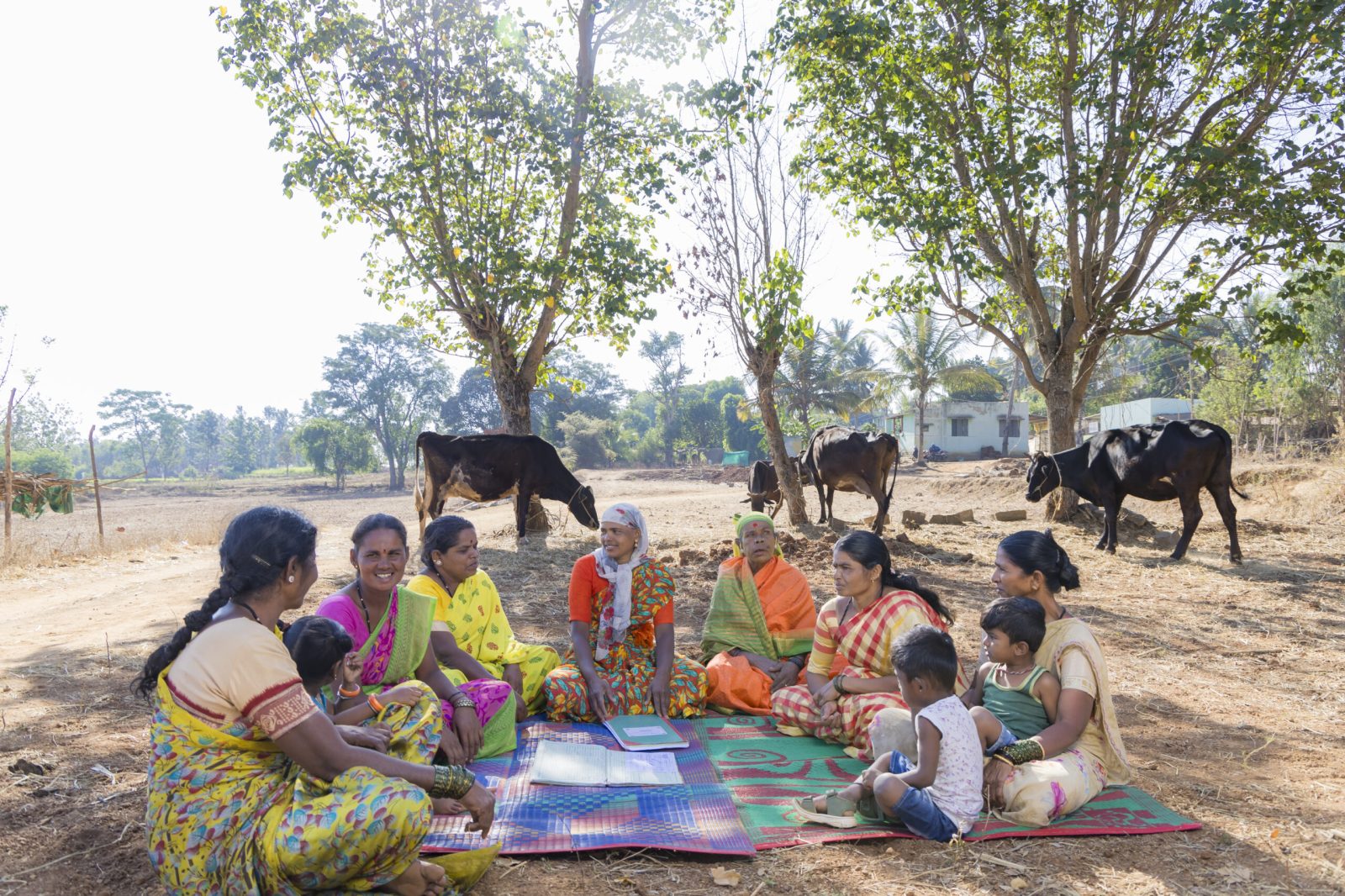
An important enabler of this engagement is women’s empowerment and society building through Self-Help Groups (SHGs), which serve as the primary platform for mobilisation and collective action. SST has strengthened over 5,000+ SHGs, engaging more than 60,000+ women and generating over ₹150+ crore in annual income which has created a strong community-led foundation for decision-making and implementation.
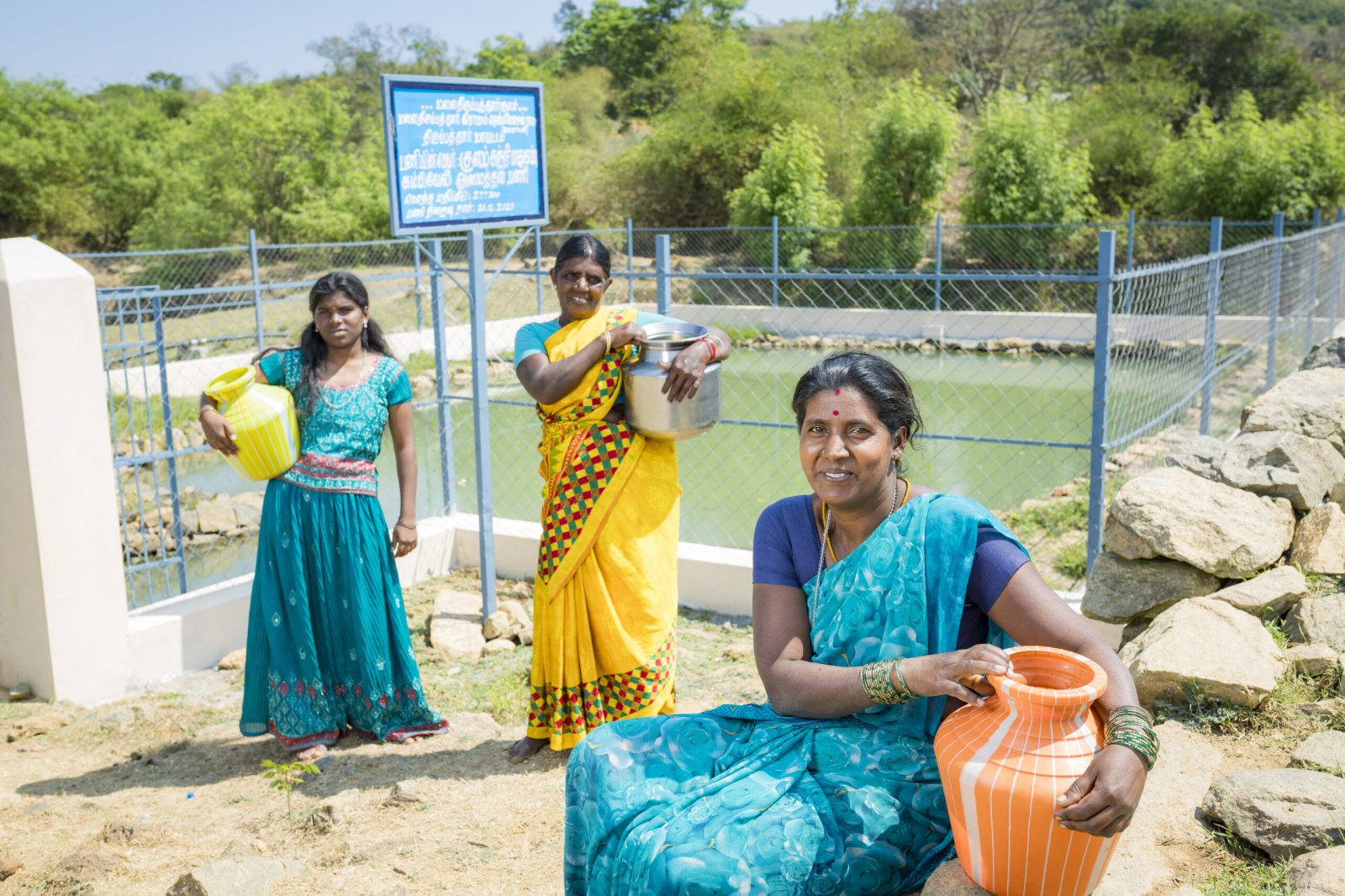
Community involvement extends into implementation. For infrastructure projects, Work Monitoring Committees (WMCs) are formed, while Water Management Committees are established for water conservation initiatives, with active involvement of SHG members and other local stakeholders. These committees ensure oversight, accountability and long-term maintenance of assets.
A key indicator of ownership is contribution. Communities actively participate through financial support, material and local manpower, making them directly invested in both implementation and long-term maintenance of assets. This involvement builds accountability and strengthens the sustainability of interventions beyond project timelines.
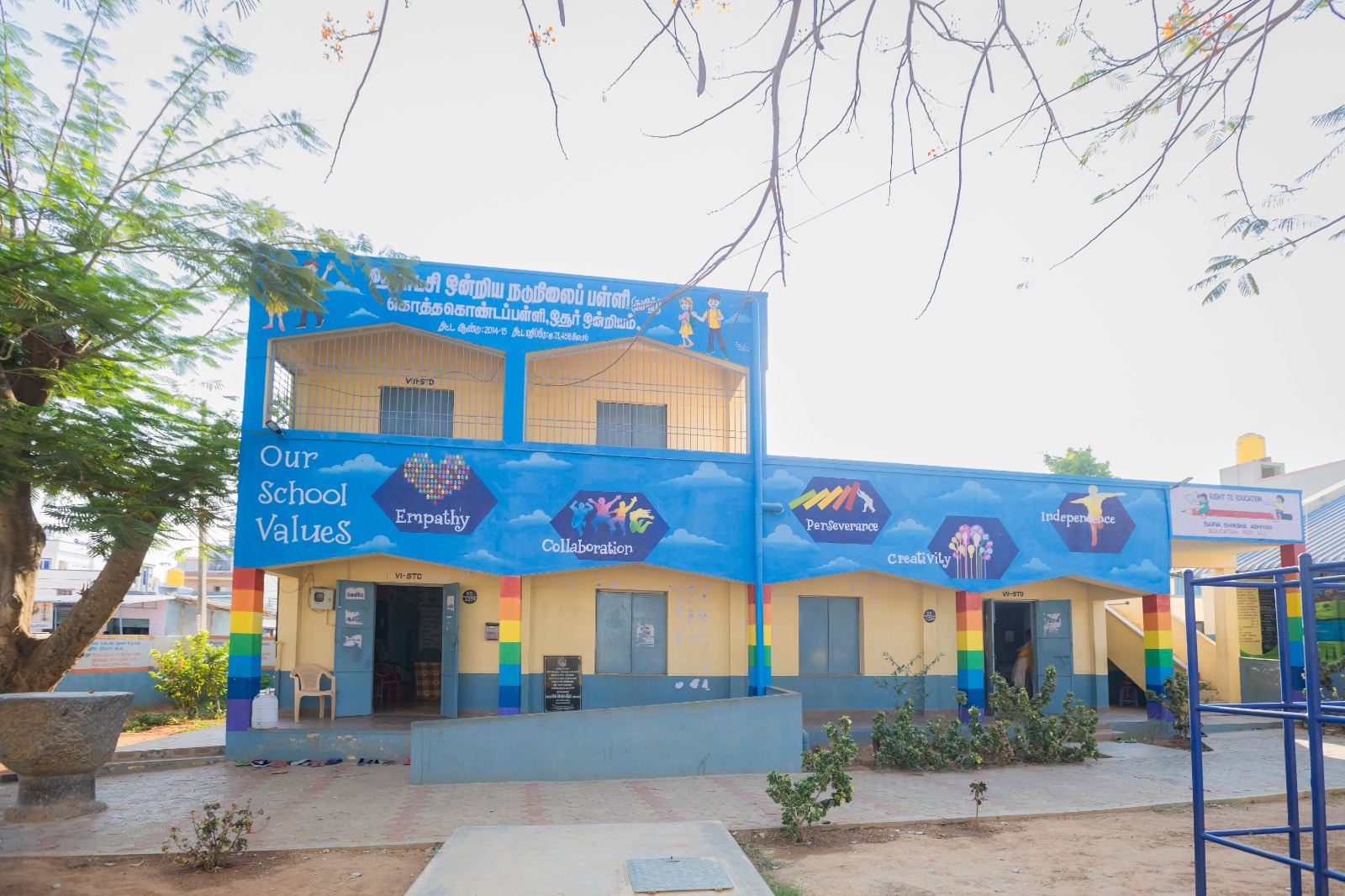
As of March 2026, this has supported the renovation of over 950+ anganwadis, 900+ schools, 130+ health centres and 370+ community buildings, road works and other supporting infrastructure, totalling an investment of 100 crores including community participation. This reflects the scale at which community-led efforts are driving development.
Why Process Matters
While community ownership provides direction, sustained impact at scale depends on how well implementation is structured and executed.
SST’s approach is anchored in structured planning, continuous review and field-driven learning, ensuring consistency and quality across diverse geographies. These systems enable timely course correction, improve execution reliability and ensure that implementation is not person-dependent but process-driven.
This process-oriented approach has translated into measurable results: As of March 2026, in Water conservation, 340+ tanks and 160+ channels have been renovated, benefiting 25000+ farmers. Over time, these efforts have contributed to enhancing water capacity of 160+ crore litres.
These outcomes demonstrate how strong implementation systems improve efficiency, enable scale and ensure the durability of development outcomes.
Technology as an Enabler
SST uses digital platforms to enable real-time data capture and monitoring across villages, improving visibility and supporting timely decision-making. While technology strengthens coordination and accountability, field engagement and community relationships continue to drive outcomes.
Public Systems as a Force Multiplier
A key lesson from SST’s experience is that access is one of the major constraints in rural development.
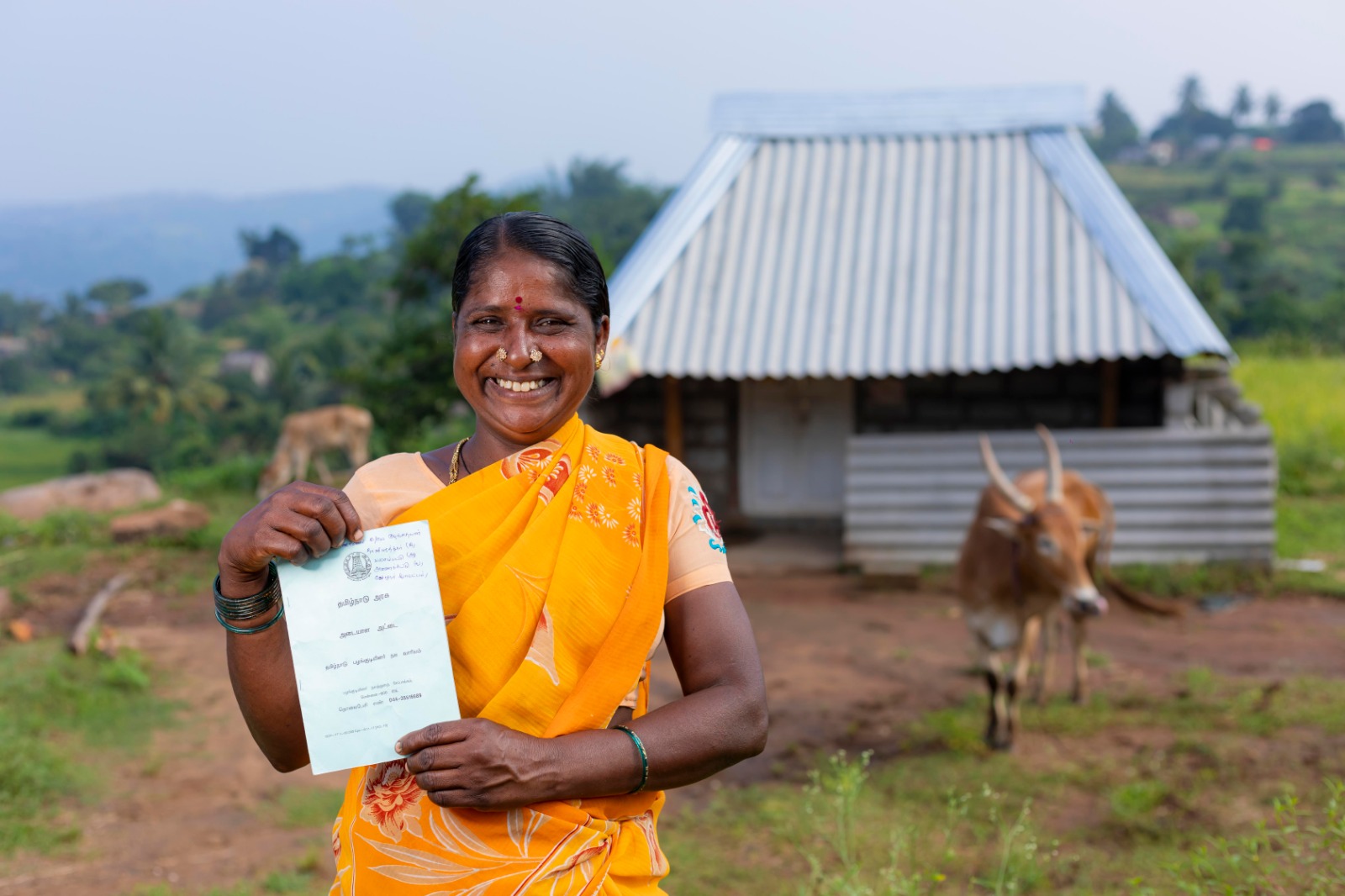
Government programmes provide significant support across sectors, but accessing them requires awareness, documentation and institutional engagement. SST facilitates this process by enabling communities to obtain essential documents and connect with relevant schemes, thereby strengthening last-mile delivery.
In 2025–26 alone, these efforts enabled access to 19,000+ social security scheme linkages, while facilitating more than 15,000+ agriculture-related and 4,600+ livestock-related scheme linkages.
These outcomes reflect how structured support can significantly expand access to existing entitlements, extending the reach of public investments while ensuring that communities are better integrated into institutional systems.
Where Convergence Creates Impact
The most meaningful outcomes emerge when community ownership, strong processes and public systems work together.
This convergence reduces fragmentation, improves resource efficiency and anchors development efforts within systems that outlast individual projects.
SST’s holistic development approach, spanning women empowerment, water conservation, infrastructure, agriculture and livestock and environmental sustainability, has enabled sustained outcomes across multiple dimensions.
While these efforts have created strong foundations, the journey towards fully self-sustaining village ecosystems remains ongoing. Sustained impact will depend on how effectively these linkages continue to deepen over time.
This progress has been made possible through the continued trust and participation of communities, along with the support and partnership of district administration, both of which remain central to sustaining and scaling development outcomes.