“Building Resilient Communities, Businesses, and Economies in a Warming World”
Climate change is no longer a future risk—it is a present-day reality affecting economies, businesses, and communities across the globe. Rising temperatures, extreme heatwaves, floods, cyclones, droughts, and water scarcity are increasingly disrupting livelihoods, damaging infrastructure, threatening public health, and impacting economic growth. In this rapidly changing environment, Corporate Social Responsibility (CSR) must move beyond traditional philanthropy and evolve into a strategic tool for climate adaptation and resilience-building.
Globally, climate-related disasters are causing unprecedented financial and social losses. According to international climate and economic assessments, vulnerable populations and developing economies are likely to bear the greatest burden of climate impacts in the coming decades. Businesses are also experiencing growing operational and supply-chain risks due to extreme weather events and resource stress. As a result, climate adaptation is now emerging as a critical priority alongside climate mitigation.
While mitigation focuses on reducing greenhouse gas emissions, adaptation emphasizes preparing communities, systems, and economies to cope with climate impacts that are already unavoidable. This is where CSR can play a transformative role.
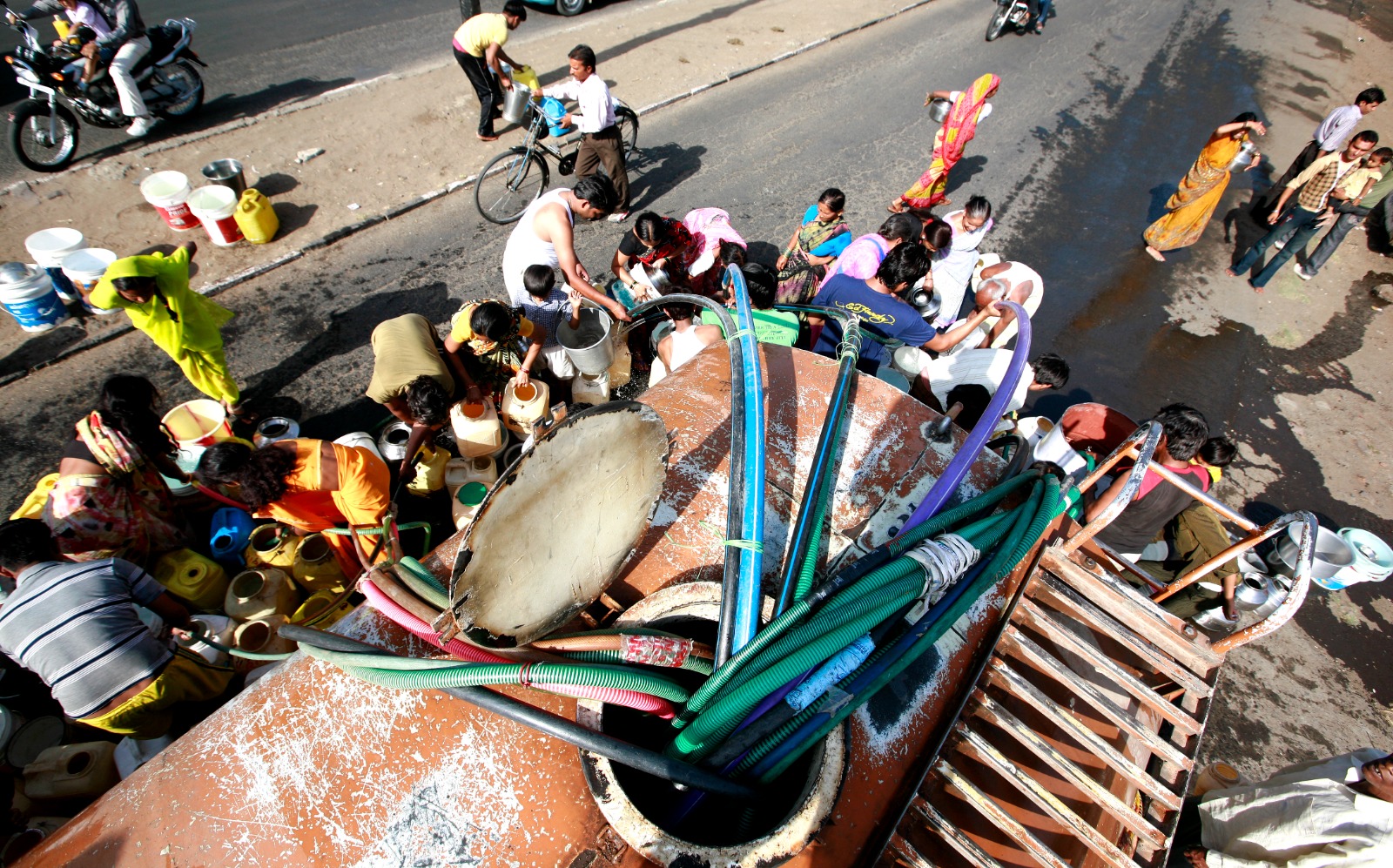
India presents a particularly important case. Despite being one of the fastest-growing economies, India is also among the countries most vulnerable to climate change. Frequent floods in urban centres, erratic monsoons, prolonged droughts, heatwaves, declining groundwater levels, and rising air pollution are already affecting millions of people. Agriculture, healthcare, water resources, livelihoods, and infrastructure are under increasing stress. Climate change is no longer only an environmental issue in India—it is a developmental challenge.
In this context, CSR initiatives must become climate-sensitive and resilience-oriented. India’s CSR framework under the Companies Act has created one of the largest corporate social investment ecosystems in the world. With annual CSR spending steadily increasing, there is a tremendous opportunity for corporates to direct investments toward long-term climate resilience and sustainable development.
Traditionally, CSR programs have focused on education, healthcare, sanitation, skill development, and livelihood support. While these areas remain essential, climate adaptation must now become an integrated component across all CSR interventions. Every development initiative today must consider one important question: Will this intervention remain sustainable in a climate-stressed future?
For example, water-related CSR projects should move beyond installing infrastructure alone and focus on watershed management, groundwater recharge, rainwater harvesting, and community-led water governance systems. Such interventions can strengthen both environmental sustainability and community resilience.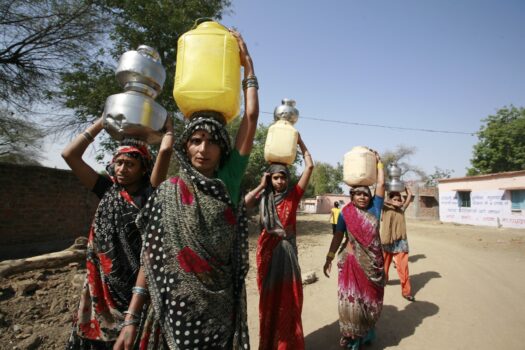
Similarly, livelihood programs must support climate-resilient agriculture, agroforestry, renewable energy-based enterprises, and green skilling initiatives. Farmers and informal workers are among the most vulnerable to climate shocks, and CSR can help create adaptive livelihood opportunities that reduce economic insecurity.
Public health is another critical area where climate adaptation is urgently required. Rising temperatures and extreme heat events are emerging as major public health concerns in India. CSR interventions can support heat-action plans, climate-responsive healthcare systems, awareness campaigns, cooling infrastructure, and preparedness for climate-linked diseases. Protecting vulnerable communities from heat stress and environmental health risks must become a key CSR priority in the coming years.
Disaster preparedness is equally important. India has witnessed increasing frequency and intensity of floods, cyclones, and landslides. Unfortunately, many interventions still focus primarily on post-disaster relief rather than long-term resilience. CSR can help shift this approach from reactive response to proactive preparedness through investments in resilient infrastructure, early warning systems, emergency preparedness training, and community resilience planning.
Urban climate adaptation also deserves greater attention. Indian cities are increasingly facing challenges such as urban flooding, heat islands, air pollution, and waste management crises. Corporates can contribute significantly through CSR by supporting urban afforestation, green public spaces, decentralized waste management, climate-smart infrastructure, and sustainable mobility initiatives.
Importantly, embracing climate adaptation is not only socially responsible but also strategically beneficial for businesses. Investors, consumers, regulators, and global sustainability frameworks are increasingly expecting companies to demonstrate climate responsibility and long-term resilience. Climate risks can directly impact supply chains, operations, workforce productivity, and market stability. Businesses that proactively invest in climate adaptation are likely to strengthen stakeholder trust, improve ESG performance, and enhance long-term sustainability.
Globally, there is also growing recognition that climate resilience requires collective action. Governments alone cannot address the scale of the climate challenge. Partnerships between businesses, civil society, academia, communities, and policymakers are essential for building resilient ecosystems. CSR provides a strong platform for such multi-stakeholder collaboration.
For India, the importance of climate-adaptive CSR is even greater because the country’s developmental priorities—poverty reduction, health equity, food security, water availability, and livelihood generation—are deeply connected with climate resilience. CSR can become a powerful bridge between environmental sustainability and inclusive development.
The future of CSR lies not merely in compliance or short-term philanthropy, but in creating long-lasting social, environmental, and economic resilience. The most impactful CSR initiatives of the coming decade will be those that strengthen communities’ ability to adapt, recover, and thrive in the face of climate uncertainty.
Climate adaptation is no longer optional. It is an urgent necessity for sustainable development and responsible business leadership. By integrating climate resilience into CSR strategies, corporates can contribute meaningfully toward building a safer, healthier, and more sustainable future for both India and the world.