 As a physician who has spent over 20 years practicing integrated medicine, combining the precision of allopathy with the wisdom of Ayurveda, I have seen firsthand how India’s healthcare system struggles with inequities. In metropolitan hospitals, advanced technologies and specialists are available at the touch of a button. Yet in villages, where the majority of our population lives, access to even basic medical care remains a challenge. Rural health workers often serve as the first line of defense against disease, but they are frequently undertrained, under‑resourced, and unsupported. Corporate Social Responsibility (CSR) has begun to change this landscape by funding medical education, training programs, and telemedicine initiatives that empower rural health workers to deliver holistic, reliable, and timely care.
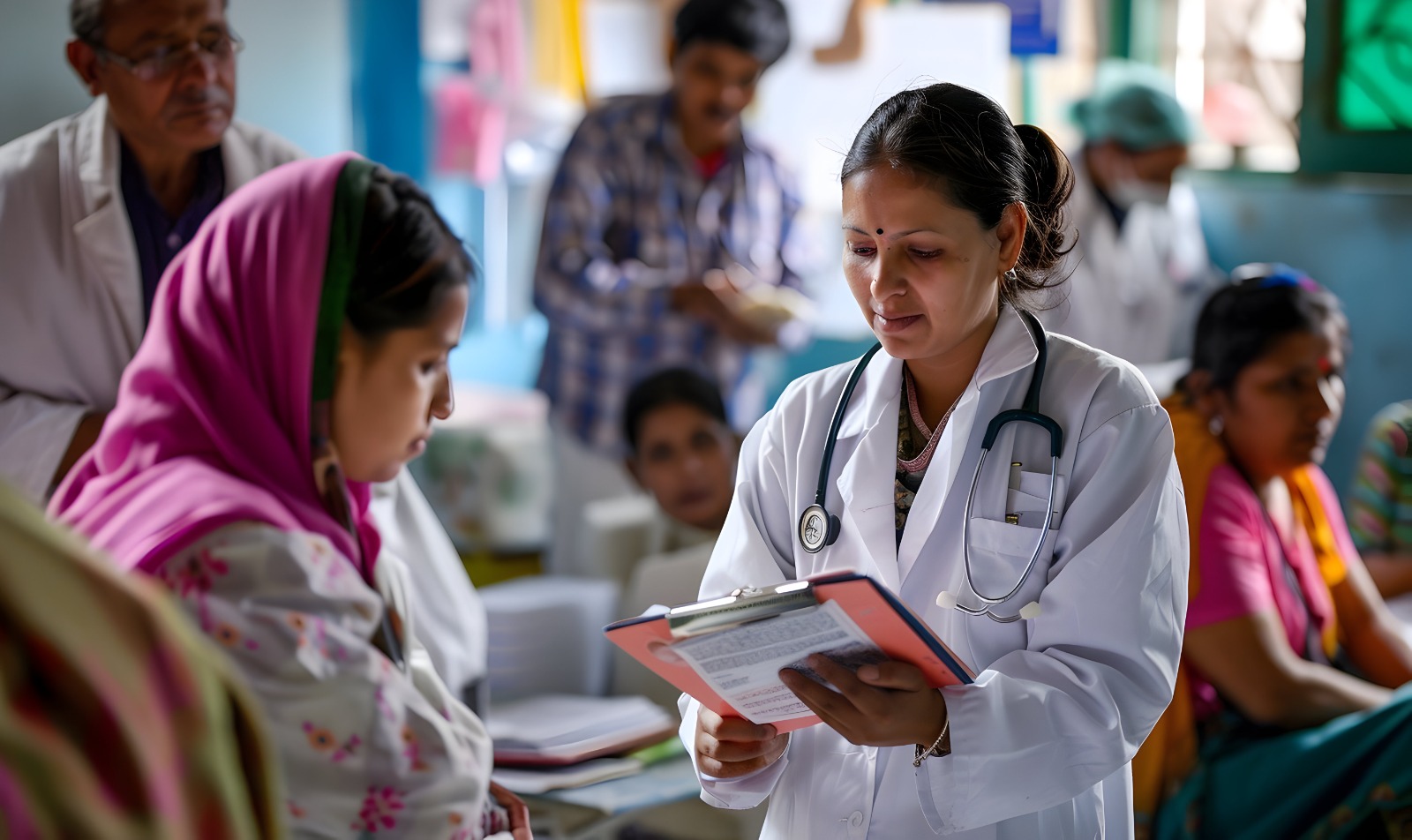
The rural health challenge is stark. India’s doctor‑patient ratio in villages falls far below global recommendations. Preventable diseases, maternal mortality, and untreated chronic conditions continue to burden communities. Patients often rely on local healers or fragmented access to modern medicine. While Ayurveda offers valuable preventive insights, acute conditions demand allopathic interventions. The solution lies not in choosing one system over the other but in training rural health workers to integrate both — recognizing when antibiotics are essential, when insulin is life‑saving, and when dietary adjustments, yoga, or herbal remedies can complement recovery. CSR funding has become a vital enabler of this integrated approach.
Corporates are increasingly investing their CSR budgets in medical education initiatives that target underserved communities. Scholarships for rural students encourage them to pursue nursing, paramedical, and medical degrees. Community health worker training programs teach basic diagnostics, maternal care, vaccination protocols, and first aid. Some initiatives even include integrated health modules that combine modern medical practices with awareness of Ayurveda, nutrition, and preventive care. Pharmaceutical companies, for instance, have funded rural training centers where young workers learn to measure blood pressure, recognize early signs of diabetes, and counsel patients on lifestyle changes rooted in both modern science and traditional practices. This dual approach ensures that rural health workers are not merely assistants but trusted guides in their communities.
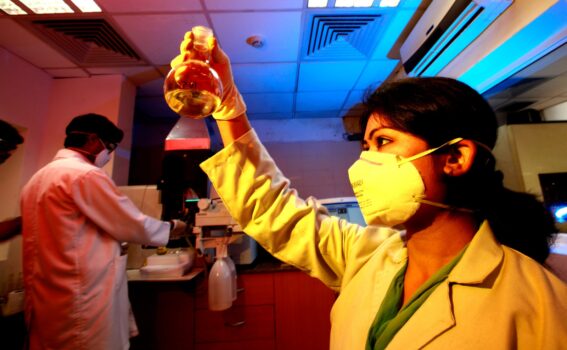 Skill development is the cornerstone of rural healthcare transformation. CSR initiatives focus on practical, hands-on training that empowers health workers to act confidently in the field. Training covers basic diagnostics using portable kits for blood sugar, hemoglobin, and malaria testing; maternal and child health practices including safe deliveries and neonatal care; preventive health education on hygiene, nutrition, yoga, and stress management; and emergency response skills such as CPR and referral protocols. In my own practice, I have witnessed how a rural health worker trained to recognize early signs of hypertension can prevent strokes and heart disease. When combined with Ayurvedic lifestyle counseling — dietary adjustments, herbal supplements, and stress‑reducing practices — the impact is profound. CSR ensures that such training is systematic and scalable, reaching thousands of villages rather than remaining isolated efforts.
Telemedicine has emerged as a revolutionary tool in bridging the rural‑urban healthcare divide. With smartphones and internet connectivity spreading rapidly, CSR programs are funding telemedicine platforms that connect rural health workers to doctors in urban centers. Through video consultations, digital prescriptions, and cloud‑based diagnostic reports, patients in remote areas can access specialist care without traveling long distances. CSR initiatives often provide training for rural workers in telemedicine tools, subsidized devices and connectivity, integration of electronic health records, and awareness campaigns to build trust in digital consultations. In Madhya Pradesh, for example, a CSR‑funded telemedicine project trained village health workers to use tablets for connecting patients with doctors. A woman with chronic asthma could consult a pulmonologist in Bhopal while her local health worker monitored her vitals. The doctor prescribed inhalers, while the health worker counseled her on Ayurvedic breathing practices like pranayama. This integration of modern and traditional care exemplifies the future of telemedicine.
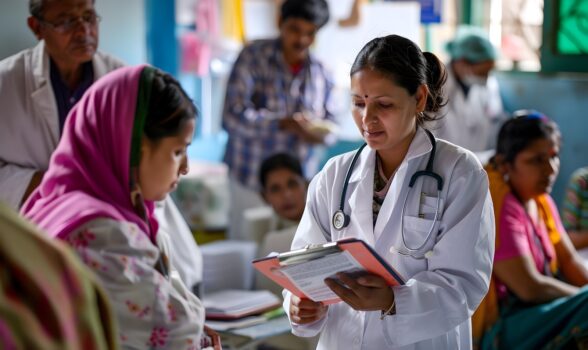 Several case studies highlight the impact of CSR in this domain. In Kerala, a CSR initiative partnered with NGOs to train rural health workers in telemedicine platforms that included both allopathic and Ayurvedic consultations. Patients could choose between a cardiologist’s advice and an Ayurvedic physician’s lifestyle recommendations, creating a blended model of care. In Rajasthan, corporate foundations funded training programs for women health workers in maternal care and telemedicine. These women became trusted figures in their villages, offering both modern antenatal advice and Ayurvedic nutrition counseling, leading to a significant drop in maternal mortality rates. In Bihar, CSR funds provided portable diagnostic kits and telemedicine training. Rural workers uploaded test results to cloud platforms, where doctors analyzed them. Patients received timely interventions, while health workers reinforced preventive measures like herbal remedies for minor ailments. These examples demonstrate how CSR can create sustainable, integrated healthcare ecosystems.
From a doctor’s perspective, the true value of CSR lies not merely in funding technology but in fostering integration of knowledge systems. Rural health workers should be trained to recognize when modern interventions are essential — antibiotics for infections, insulin for diabetes — and when traditional practices can complement care — herbal teas for digestion, yoga for stress, meditation for mental health. Telemedicine platforms should not be limited to allopathic consultations. They must include Ayurvedic practitioners, nutritionists, and mental health counselors. CSR can ensure that rural communities receive comprehensive, culturally sensitive, and scientifically validated care.
Challenges remain. Rural health workers often face resistance from communities skeptical of telemedicine. Internet connectivity is uneven. Training programs sometimes lack depth or follow‑up. To overcome these, CSR initiatives must invest in long‑term skilling programs rather than short workshops, ensure quality assurance through standardized curricula, provide continuous mentorship via telemedicine platforms, integrate Ayurveda and preventive health into training modules, and collaborate with government schemes like Ayushman Bharat and Skill India. By doing so, CSR can create a sustainable ecosystem where rural health workers are not just intermediaries but empowered professionals.
The future of healthcare in India lies in the synergy between modern medicine, traditional wisdom, and digital innovation. CSR in medical education, rural health worker training, and telemedicine is not charity; it is nation‑building. By funding these initiatives, corporates are ensuring that the benefits of AI diagnostics, teleconsultations, and integrated health practices reach the remotest corners of India. As a doctor who practices integrated medicine, I believe that the true measure of progress is not in urban hospitals alone but in the confidence of a rural health worker who can counsel a patient, connect them to a specialist, and offer preventive wisdom rooted in Ayurveda. CSR has the power to make this vision a reality — a healthcare system that is inclusive, resilient, and holistic.