

 A safe and supportive community is fundamental to every girl’s ability to learn, grow, express herself, and realise her full potential. Yet, for millions of girls, everyday life continues to be shaped by gender-based discrimination, violence, restrictive social norms, unequal access to opportunities, and limited awareness of their rights. Building safer communities, therefore, requires more than addressing individual incidents of violence. It demands a collective effort to transform attitudes, strengthen support systems, and create environments where girls are heard, respected, and empowered.
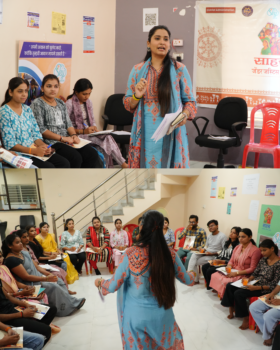
Saahas – Gender Justice Labs represents an approach to advancing gender justice by bringing communities, institutions, and local leadership together to address the underlying causes of gender inequality. By combining awareness, community participation, capacity-building, emotional well-being, and institutional convergence, the initiative seeks to foster communities where girls can live with dignity, exercise their rights, and access support without fear or stigma.
Understanding Safety Beyond the Absence of Violence
For girls, safety extends beyond protection from physical harm. It includes freedom from harassment, discrimination, emotional abuse, coercion, and harmful social expectations. It also means having the confidence to speak up, access education and healthcare, participate in public life, and make informed decisions about their futures.
In many communities, gender-based violence and discrimination persist because of deeply entrenched social norms, silence around abuse, limited awareness of legal rights, and a lack of accessible support mechanisms. Girls may hesitate to report violence due to fear of blame, social exclusion, or retaliation. Families and community members may also lack the information and resources needed to respond effectively.
Consequently, creating safer communities requires a shift from reactive responses to preventive, community-led approaches that recognise the dignity, agency, and rights of every girl.
 Gender Justice Begins with Community Participation
One of the central principles of Saahas – Gender Justice Labs is that sustainable change must emerge from within communities. While policies and legal frameworks provide an essential foundation, their effectiveness depends on whether people understand, accept, and translate them into everyday practice.
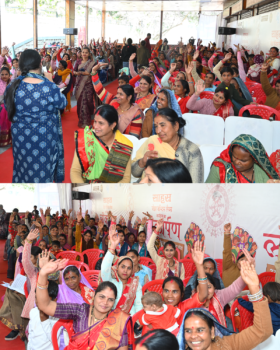
Engaging parents, teachers, community leaders, frontline workers, elected representatives, and young people helps build a shared understanding of gender equality and collective responsibility. Community dialogues and awareness sessions can challenge harmful stereotypes, question discriminatory practices, and encourage more equitable attitudes towards girls’ education, mobility, aspirations, and participation in decision-making.
These conversations are particularly important in rural and underserved settings, where geographical barriers and limited access to information can make it difficult to seek assistance. By creating spaces for open discussion, communities can begin to replace silence and stigma with empathy, accountability, and support.
Importantly, girls themselves must be recognised as active participants in this process. Their experiences, perspectives, and recommendations should inform the decisions that affect their lives.
Strengthening Local Institutions and Support Systems
Safer communities require accessible, responsive, and coordinated support systems. Schools, healthcare providers, local governance institutions, law enforcement agencies, women and child development services, and community-based organisations each have an important role in preventing and responding to gender-based violence.
 However, when these systems operate in isolation, survivors and their families may struggle to navigate available services. A coordinated approach can help connect individuals with appropriate information, counselling, protection mechanisms, and referrals.
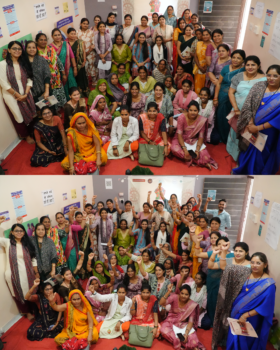
Gender Justice Labs facilitate collaboration among relevant stakeholders, strengthen awareness of existing services, and build the capacity of frontline functionaries to respond to gender-related concerns in a sensitive and informed manner. Such efforts can also help communities understand where to seek assistance and how to access established support mechanisms.
Building trust is equally important. Girls and women are more likely to seek help when they believe that their concerns will be taken seriously and handled with confidentiality, respect, and sensitivity. Institutional responses must therefore prioritise survivor-centred practices, informed choice, and protection from further harm.
Emotional Well-being and Safe Spaces
Gender justice is closely connected to emotional well-being. Experiences of discrimination, harassment, violence, and social exclusion can affect a girl’s confidence, mental health, relationships, and ability to participate in everyday life.
Safe spaces offer opportunities for girls and women to express themselves, share experiences voluntarily, develop peer connections, and access appropriate support. Facilitated group discussions, peer-support activities, and awareness sessions on emotional well-being can help reduce isolation and encourage help-seeking behaviour.
Such spaces must be inclusive, accessible, and sensitive to differences in age, disability, socioeconomic circumstances, and lived experience. Participation should never require girls to disclose personal experiences of violence, and appropriate referral pathways should be available whenever specialised support is needed.
By recognising emotional well-being as an integral component of gender justice, community initiatives can move beyond awareness alone towards more compassionate and supportive environments.
 From Awareness to Leadership and Action
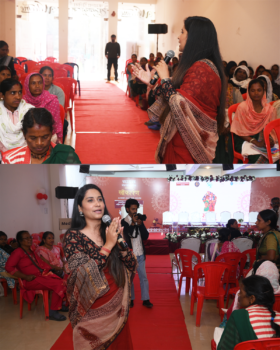
Empowering girls involves creating opportunities for them to develop leadership, confidence, and decision-making abilities. When girls participate in community discussions, safety assessments, youth forums, and local problem-solving processes, they gain opportunities to articulate their concerns and influence change.
Community safety assessments can help identify unsafe public spaces, barriers to accessing services, and situations that restrict girls’ mobility and participation. The findings can inform practical, locally relevant responses involving families, local authorities, educational institutions, and community leaders.
At the same time, boys and men must be engaged as partners in promoting equality. Encouraging respectful relationships, shared responsibilities, and non-violent behaviour helps challenge the social norms that sustain discrimination. Gender justice cannot be achieved by placing the responsibility for safety solely on girls; it requires accountability from individuals, institutions, and society as a whole.
Building Sustainable and Accountable Change
The long-term impact of community-based gender justice initiatives depends on sustained engagement, local ownership, and measurable progress. Beyond counting participants or conducting awareness sessions, programmes must assess whether girls feel safer, understand their rights, know where to seek assistance, and experience greater support from their communities.
Regular community feedback, institutional coordination, referral tracking with appropriate safeguards, and periodic assessments can help identify gaps and strengthen interventions. Partnerships between civil society organisations, government departments, educational institutions, and local leadership can further support continuity and scale.
Ultimately, building safer and more supportive communities for girls is not a one-time intervention but an ongoing process of social transformation. Saahas – Gender Justice Labs reflects the importance of connecting awareness with action, individual empowerment with institutional accountability, and community participation with lasting change.
A truly supportive community is one in which every girl can speak without fear, seek help without shame, pursue her aspirations without discrimination, and participate in shaping her own future. Achieving this vision requires sustained commitment from all sections of society. When communities recognise girls not merely as individuals requiring protection, but as equal citizens with rights, agency, and leadership potential, safety becomes a shared responsibility and gender justice becomes a collective goal.