 Connecting scientific innovation, community livelihoods and sustainable enterprise across Uttarakhand
The future of the Himalayas depends on whether ecological conservation can improve community prosperity. Climate variability, water stress, fragmented landholdings, vulnerable ecosystem and limited market access are daunting challenges of mountain livelihoods. Yet the region’s biodiversity and traditional ecological knowledge offer valuable foundations for sustainable development. Addressing these interconnected challenges requires research-backed solutions that communities can adopt, enterprises can sustain and institutions can scale.
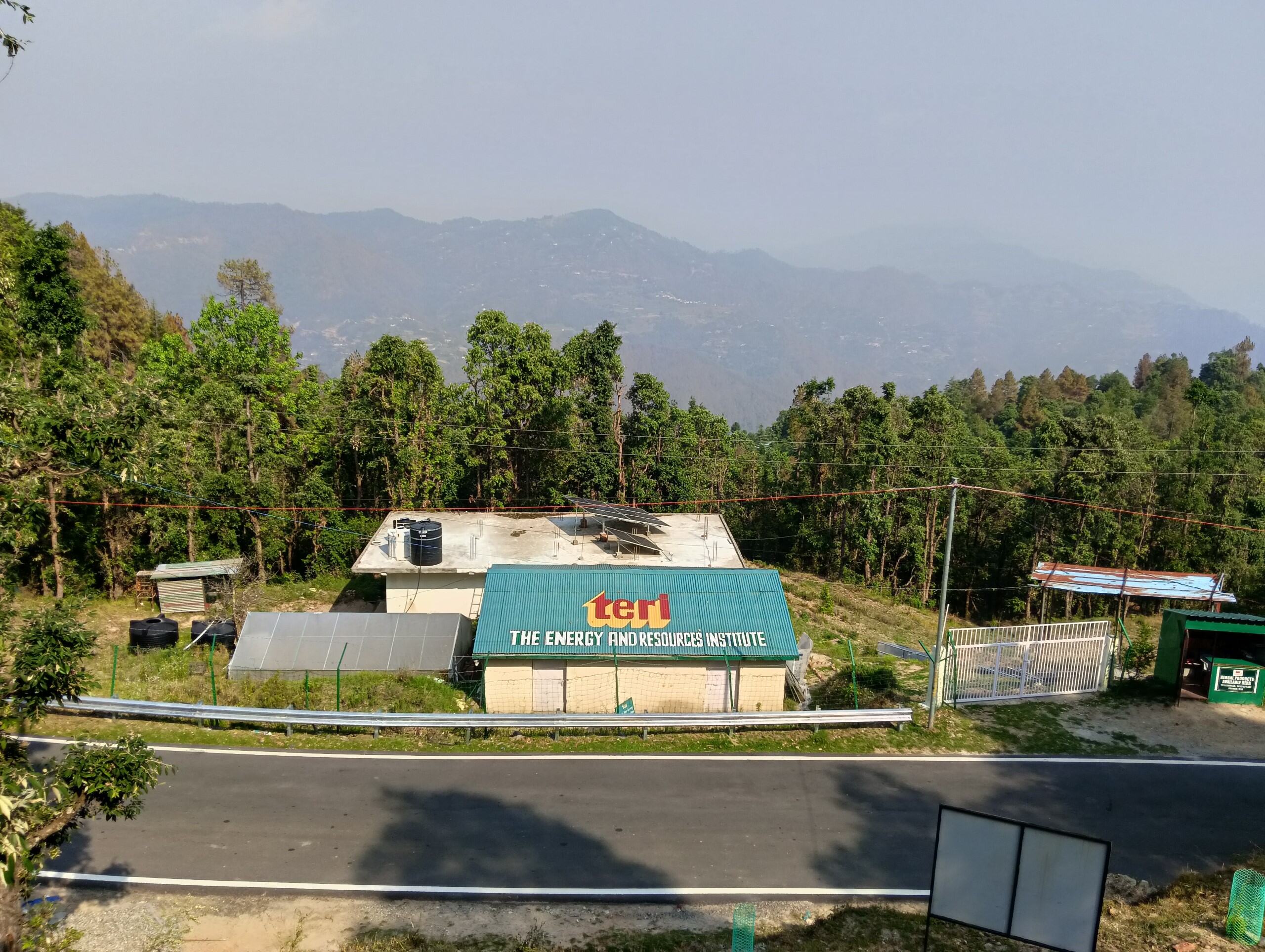
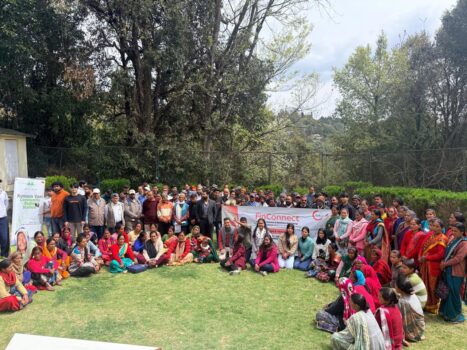
At TERI’s regional centre in Mukteshwar, Uttarakhand research-led development is the driving force behind its engagement with the Himalayan region. Three distinct but complementary facilities anchor this work: Supi Farms/TRISHA advances agricultural research, biodiversity conservation and mountain livelihoods; Paharpani Research Centre translates these priorities into community capacity, value addition and rural enterprise; and Lateybunga Retreat connects sustainability practice with experiential learning, institutional engagement and ecological hospitality. Supi Sugandh links community production with markets, while Kumaon Vani community radio carries knowledge and local voices across the region. Together, these platforms connect scientific evidence with community ownership, economic opportunity and measurable environmental outcomes, advancing the Sustainable Development Goals (SDGs) and Mission LiFE (Lifestyle for Environment).
Supi Farms: Research That Reaches the Farm
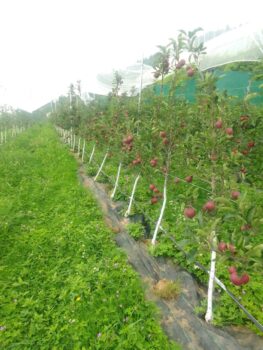
Established in 2003 at approximately 7,500 feet in Supi village, TERI’s Research Initiative at Supi for Himalayan Advancement (TRISHA) works with farming communities to address the constraints of mountain agriculture. Its infrastructure includes vermicomposting units, polyhouses, glasshouses, solar and mechanical dryers, an oil-distillation unit, herbal gardens and rainwater-harvesting demonstrations.
Research and extension activities encompass medicinal and aromatic plants, indigenous food crops, quality planting material, organic inputs, water conservation and post-harvest processing. Training and farmer collectivisation help translate improved practices into livelihood opportunities while enhancing local capacities to manage natural resources.
These interventions support SDG 2 (Zero Hunger), SDG 8 (Decent Work and Economic Growth), SDG 12 (Responsible Consumption and Production) and SDG 13 (Climate Action). Moreover, they advance Mission LiFE by promoting efficient water use, rainwater harvesting, soil health management, organic composting, reduced chemical inputs and resource-efficient agricultural practices.
Recently signed MoU with GB Pant University of Agriculture and Technology (GBPUAT) will further advance collaborative research capacity in agroforestry, plant microbiomes, nano-fertilisers, mycorrhizal applications and tissue-culture support for high-value crops, connecting scientific innovation with climate-resilient agriculture and sustainable mountain livelihoods.
Supi Sugandh: Connecting Himalayan Biodiversity with Markets
Developed through TERI’s community farming and livelihood work, Supi Sugandh connects locally produced Himalayan goods with consumers. Its portfolio includes herbs, infusions, jams, chutneys and traditional food products, creating avenues for value addition and improved market access for participating farmers.
The opportunity is to establish Supi Sugandh as a premium, authenticity-driven Himalayan wellness and sustainability brand. Product provenance, quality assurance, sustainable sourcing, distinctive packaging and credible producer stories can distinguish it from low-cost mass-market alternatives. Curated collections and partnerships with local retailers, boutique hospitality establishments and wellness destinations can extend its reach.
This approach can support community-linked value chains and women’s economic participation, contributing to SDGs 5, 8 and 12. Its long-term credibility must rest on verifiable product quality, transparent sourcing and demonstrable community benefits.
 Paharpani: From Research to Community Enterprise
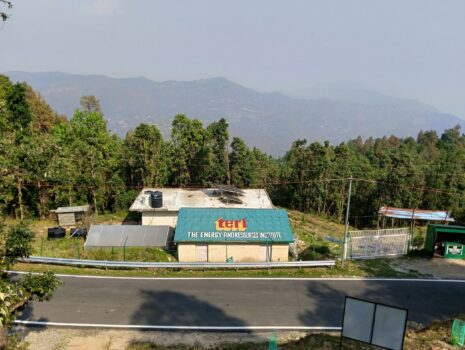
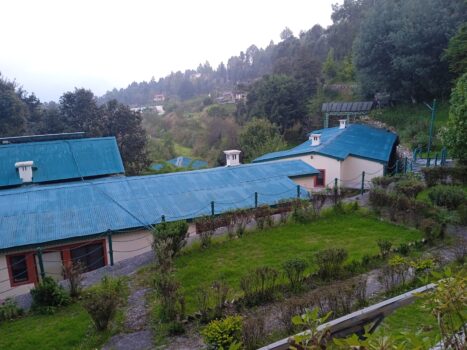
Established in 2013, TERI’s Paharpani Research Centre extends community engagement through technical training and decentralised value addition. Its infrastructure includes polyhouses, vermicomposting units, oil-distillation facilities, solar dryers, and food-processing and training facilities. These resources support sustainable cultivation, processing skills and rural entrepreneurship.
The Herbal Kingdom initiative, undertaken along with a corporate advances medicinal-plant cultivation and conservation through community participation, cluster-based production and responsible harvesting in designated Van Panchayat forests and adjoining villages in Nainital district. It seeks to integrate sustainable supply chains while diversifying local incomes.
Another initiative on affordable technologies for Himalayan smallholder agriculture includes nurseries, herbal gardens, polyhouses, community solar-drying units, organic composting, biopesticides and low-cost rainwater harvesting. These interventions address practical challenges such as soil-moisture retention, resource efficiency and post-harvest losses.
With support from NABARD, Uttarakhand, TERI is facilitating farmer collectivisation through the Lohakham Farmer Producer Self-Reliant Cooperative in Okhalkanda block. Cluster-based farming, collective marketing of indigenous grains, pulses, vegetables and fruits, and institutional capacity building seek to improve market access and value realisation.
Together, these initiatives strengthen community-centred business ecosystems involving Farmer Producer Organisations (FPOs), Self-Help Groups (SHGs), nurseries, processors and local entrepreneurs. They connect livelihood development with biodiversity stewardship, contributing to SDGs 5, 8, 12 and 15 (Life on Land).
Lateybunga Retreat: Sustainability Through Experience
Research and technology become more meaningful when people experience sustainability in practice. TERI’s Himalayan Centre at Mukteshwar demonstrates resource-conscious operations through solar energy and rainwater harvesting. Experiential programmes have connected students and institutional groups with Supi’s biofarm, village immersions, eco-adventure activities and grassroots initiatives.
Lateybunga Retreat can serve as a curated sustainability immersion destination for schools, MBA institutions, corporate leadership teams, researchers, wellness groups and international visitors. Programmes can combine regenerative agriculture, biodiversity, climate adaptation, sustainable food systems, community enterprise and Himalayan lifestyles.
Corporate teams can explore sustainability leadership; management students can examine inclusive business models; and researchers can engage with mountain livelihoods through field-based learning. Responsible hospitality and locally sourced products can create opportunities for local enterprises. Such experiences advance SDG 4 (Quality Education) and SDG 12 while translating Mission LiFE into informed, responsible choices.
Kumaon Vani: Knowledge and Community Voice
Established in 2010 in Supi, Kumaon Vani 90.4 FM connects TERI’s field-level work with communities across the region. TERI reports that the station reaches more than 500 villages, with an estimated listenership of nearly 3.5 lakh people. Operated by local youth under TERI’s stewardship, it disseminates information on sustainable agriculture, climate-resilient practices, livelihood opportunities and environmental concerns.
The station also provides a platform for indigenous knowledge and community perspectives. By connecting farmers, researchers and development initiatives, Kumaon Vani advances environmental literacy and participatory decision-making. It reinforces SDGs 4, 13 and 17 (Partnerships for the Goals), ensuring that sustainability knowledge reaches beyond research facilities and into everyday community life.
A Call to CSR: Invest in Lasting Outcomes
TERI’s three facilities and associated initiatives offer corporates, CSR foundations, universities, public institutions and responsible businesses an opportunity to move beyond isolated projects towards integrated, research-backed investment in mountain resilience.
Partners can support agricultural research and climate-resilient farming at Supi, community enterprises and processing at Paharpani, and sustainability education at Lateybunga. Further opportunities include substantiating women-led SHGs and FPOs, biodiversity-based medicinal-plant value chains, expanding markets for Supi Sugandh and using Kumaon Vani for community outreach.
Collaborations should be designed around measurable outcomes: livelihood improvements, women’s economic participation, enterprise viability, water conservation, biodiversity stewardship and community engagement. Baseline assessments and periodic monitoring can strengthen accountability, while multi-year partnerships can help successful interventions develop into durable enterprises.
TERI invites CSR partners to co-create a replicable model of research-led mountain development, combining scientific expertise, financial investment, market access and community ownership.
The opportunity is to invest not merely in infrastructure or short-term activities, but in the people, knowledge systems and enterprises that sustain the Himalayas. When research informs action, communities share in the value created and conservation reinforces livelihoods, Uttarakhand can offer a compelling model of inclusive, ecologically resilient mountain development.