Introduction: ESG in a Changing Business Landscape
The business landscape is changing at an unprecedented pace. Climate risks, resource constraints, evolving regulations, investor expectations, technological disruption and growing public awareness are reshaping how organisations define success. In this environment, environmental, social and governance (ESG) considerations can no longer sit at the margins of business strategy. They must inform how organisations anticipate change, allocate resources, manage risks and create lasting value.
From my professional perspective, one of the most important shifts underway is the transition of ESG from a reporting exercise to a way of thinking and operating. Organisations that treat sustainability only as a compliance requirement may meet immediate obligations, but those that embed it into decision-making are better positioned to adapt, innovate and remain competitive over time.
1. Sustainable Buildings: Creating Efficient and People-Centred Spaces
Sustainable buildings demonstrate how resource efficiency and human wellbeing can be integrated into everyday operations.
Adaptability begins with leadership and practical action. Buildings and workplaces offer a tangible example of how sustainability can become part of everyday business. The spaces in which people work influence energy and water consumption, indoor environmental quality, employee wellbeing and operating costs.
Sustainable design, energy-efficient systems, responsible maintenance and occupant behaviour all matter. A building’s sustainability performance is not determined by technology alone; it depends on how effectively the facility is managed throughout its life cycle. When resource efficiency and employee wellbeing are considered together, workplaces can become healthier, more efficient and more resilient.
2. Clean Energy Transitions: Reducing Emissions and Strengthening Resilience
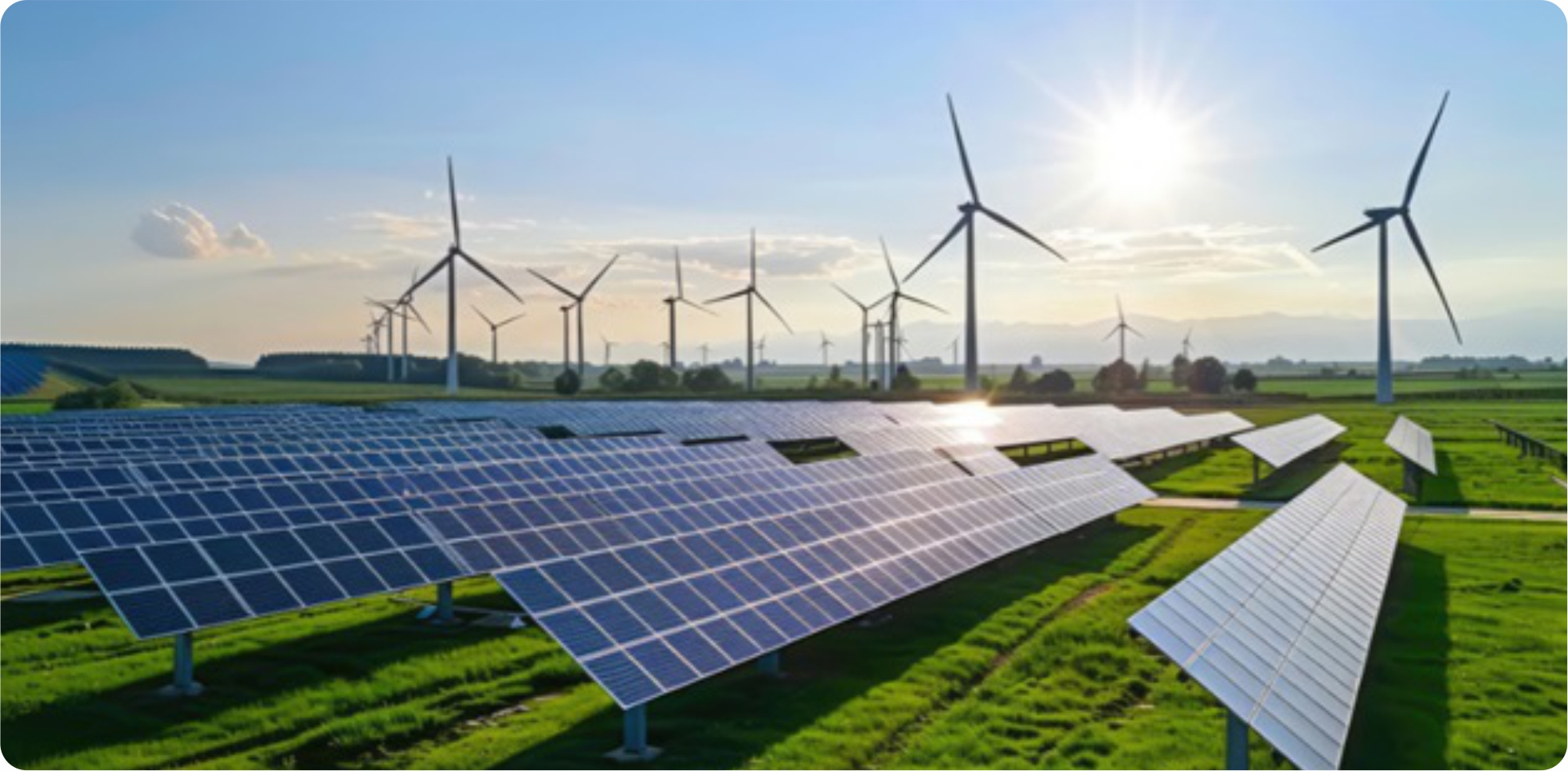
The transition to cleaner energy is an important pathway towards reducing emissions and strengthening long-term business resilience.
Energy efficiency, renewable energy and emissions management are not merely environmental priorities; they can also strengthen business resilience. Efficient resource use can reduce exposure to price volatility and supply uncertainty. Energy transition planning can reduce dependence on carbon-intensive sources and support long-term operational stability.
Measuring Scope 1, 2 and 3 emissions helps organisations understand both their direct environmental impacts and the wider challenges across their value chains. Meaningful progress requires reliable baselines, practical targets, clear accountability and regular reviews. Organisations must distinguish between actions implemented, outcomes measured and goals still being pursued. Transparent reporting builds trust, while honest recognition of gaps helps direct investment where it can make the greatest difference.
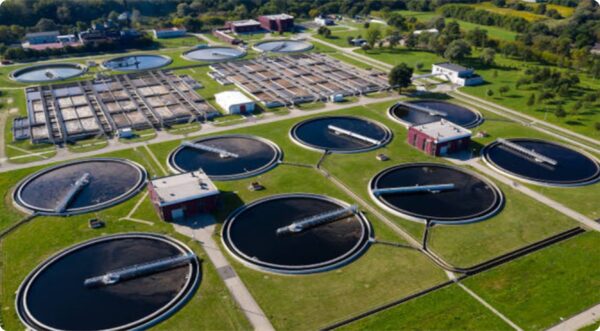
Water Stewardship: Protecting a Vital Resource
Responsible water management is becoming central to business continuity in an increasingly resource-constrained world.
Water is essential to communities, ecosystems and economic development. As water stress increases in many regions, organisations must move beyond consumption monitoring towards responsible stewardship. Conservation, efficient use, wastewater treatment, recycling and reuse can reduce pressure on freshwater resources and improve operational resilience.Water management also illustrates why sustainability cannot be treated as an isolated function. It requires appropriate technology, sound operational practices, employee awareness and collaboration across supply chains. Integrating water stewardship into business planning helps
organisations anticipate resource constraints, safeguard continuity and contribute to the long-term protection of this vital resource.
People and Responsible Leadership: Building Future-Ready Organisations
Lasting ESG progress depends on shared responsibility, employee engagement and accountable leadership.
The social dimension of ESG is equally essential. A transition that overlooks people will struggle to endure. Employees need opportunities to build new skills as industries and technologies change. Safe, inclusive and healthy workplaces support dignity as well as productivity.
Organisations must also consider the communities affected by their operations and the people within their supply chains. Listening to stakeholders, investing in capability and creating accessible opportunities can help ensure that sustainability generates shared value.
Governance gives these commitments credibility. Clear policies, ethical conduct, sound oversight, risk management and dependable data help convert intentions into action. Technology can accelerate progress through digital monitoring, analytics and automation, but it cannot replace purpose, skills or accountability. Strong leadership means asking difficult questions, documenting decisions and ensuring that sustainability performance is assessed consistently.
Concluding Remarks: From Responsibility to Resilience — A Shared Journey
Embedding sustainability into everyday decisions to build trust, competitiveness and lasting value.
The organisations most likely to thrive will be those that view change not simply as a disruption to manage, but as a signal to learn, innovate and evolve. ESG provides a framework for connecting environmental responsibility, human wellbeing and sound governance with business
decisions made today.
The way forward requires more than commitments and reporting. It calls for measurable progress, accountable leadership, collaboration across value chains and a genuine commitment to people and the planet. Ultimately, responsible business and competitiveness are no longer separate ambitions. By embedding ESG into everyday decisions, measuring progress honestly and keeping people at the centre of the transition, organisations can strengthen resilience, earn stakeholder trust and create value that endures.The future of sustainability will be shaped not merely by what organisations promise, but by the choices they make today.
Dr. Venkatesan K
Senior General Manager and Head – Facilities, Administration & CSR, VA Tech WABAG Ltd.