
When Livestock Becomes a Lifeline
In the drought-prone regions of Pune district, agriculture has always been a challenging livelihood. For families across Ambegaon, Khed and Shirur blocks, farming is heavily dependent on erratic monsoons. When rainfall is inadequate, crop yields decline, household incomes shrink and farmers are forced to look for alternative sources of income. Livestock rearing, particularly dairy farming, has therefore become an important livelihood support for rural households.
However, dairy farming faced a challenge of its own. During the summer months, the availability of green fodder drops sharply. Farmers often depend on expensive feed, while many animals suffer from poor nutrition. Lower milk yields, deteriorating animal health, distress sale of cattle and seasonal migration became common realities in these communities.
For farmers, the problem was not merely about feeding animals. It was about preserving an important source of household income.
SST’s Approach to Agriculture and Livestock Development
Srinivasan Services Trust (SST), the social arm of TVS Motor Company, works to strengthen rural livelihoods through integrated agriculture and livestock development programmes as part of its holistic village development model. SST’s approach focuses on enabling farmers to adopt improved agricultural and livestock management practices through awareness programmes, demonstrations and technical guidance.
The organisation also facilitates access to government schemes, supports veterinary infrastructure and helps farmers improve productivity while reducing costs. The objective is not simply to increase production, but to build sustainable and resilient livelihood systems for rural families.
Introducing a Sustainable Solution
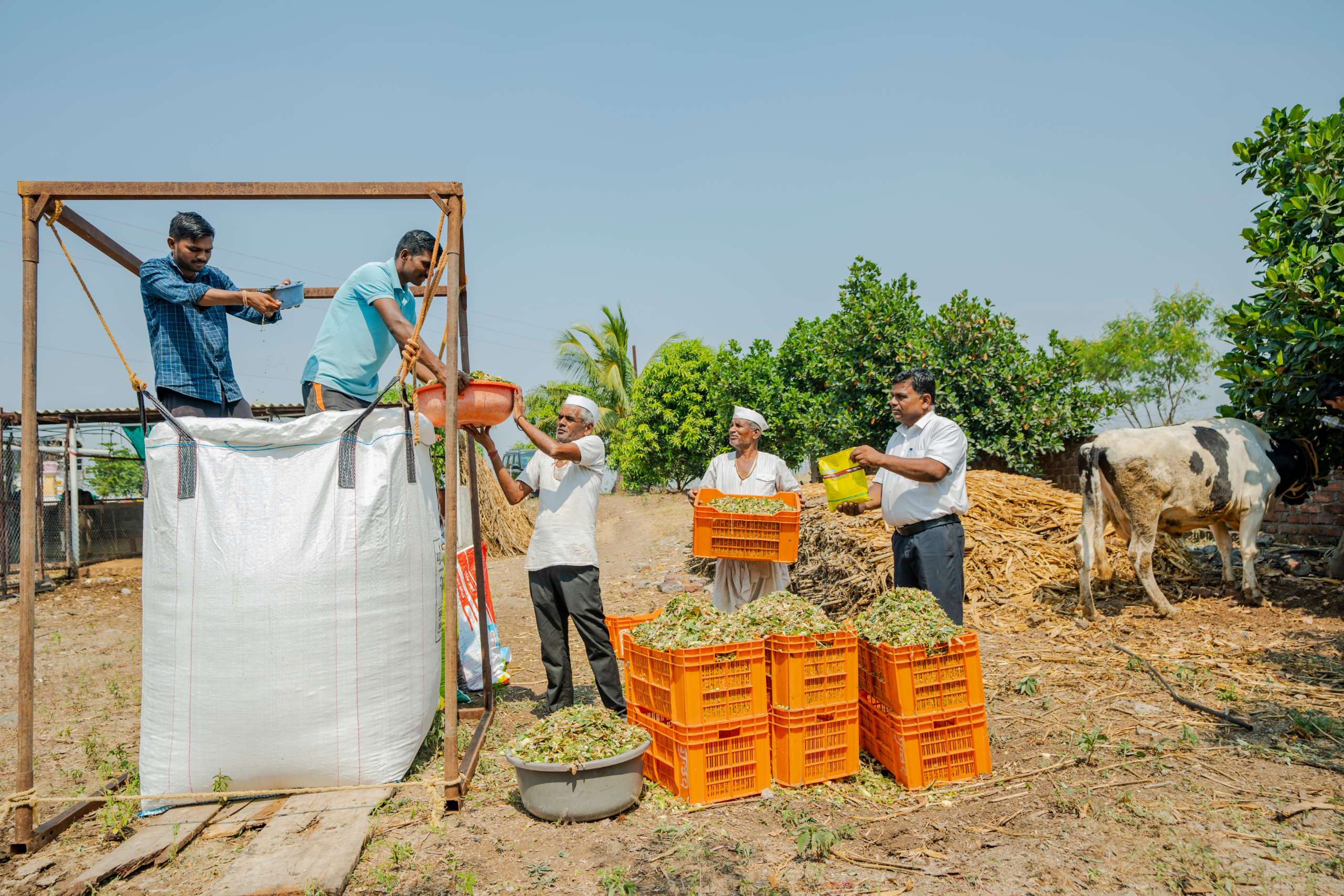
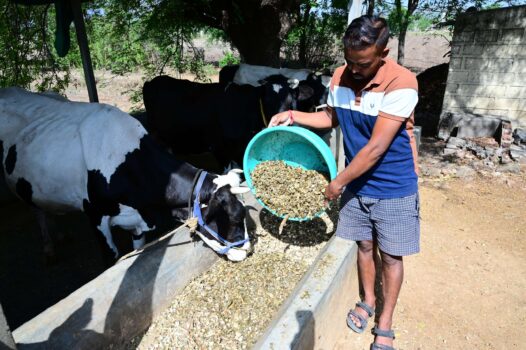
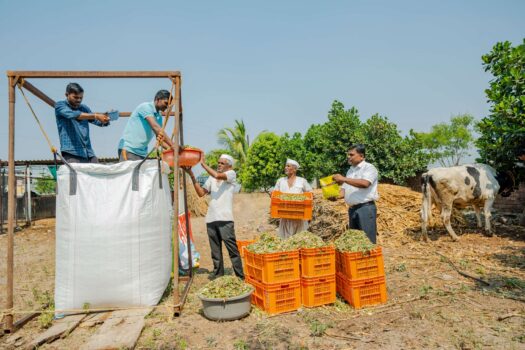
To address the recurring fodder crisis, SST began promoting silage preparation among livestock farmers. Silage is preserved green fodder produced through a controlled fermentation process, allowing farmers to store nutritious feed for use during lean seasons.
Rather than providing a one-time solution, SST focused on helping communities develop the capability to independently produce and utilize silage.
What began as a pilot effort gradually expanded across villages in Pune district. Today, the initiative has reached over 3,000 farmers across 114 villages, helping establish fodder security and improve livestock productivity.
Over the years, SST conducts more than 3,000 agriculture and livestock awareness programmes annually, facilitates access to government schemes worth over ₹4 crore annually, renovated over 50 veterinary centres and reached more than 40,000 people through awareness initiatives.
It was within this larger vision of strengthening rural livelihoods that SST introduced one of its most impactful livestock interventions in Pune: the promotion of silage making.
From Scarcity to Stability: Santosh’s Experience
For Santosh Kaduskar from Paragaon village in Ambegaon block, livestock farming was an important supplementary source of income alongside rainfed agriculture. However, recurring fodder shortages during summer often threatened the sustainability of his dairy enterprise.
Like many farmers in the region, Santosh cultivated potatoes during the Kharif season when rainfall was adequate and grew jowar during the Rabi season. Although maize is the preferred crop for preparing silage, erratic rainfall and limited water availability made it difficult to cultivate sufficient quantities during the Rabi season. As a result, the family often struggled to secure adequate green fodder for their livestock during the dry months. Milk production declined, feeding costs increased and purchasing fodder from external sources significantly reduced the profitability of dairy farming. In severe fodder-scarce periods, farmers were often forced to consider selling livestock to manage costs.
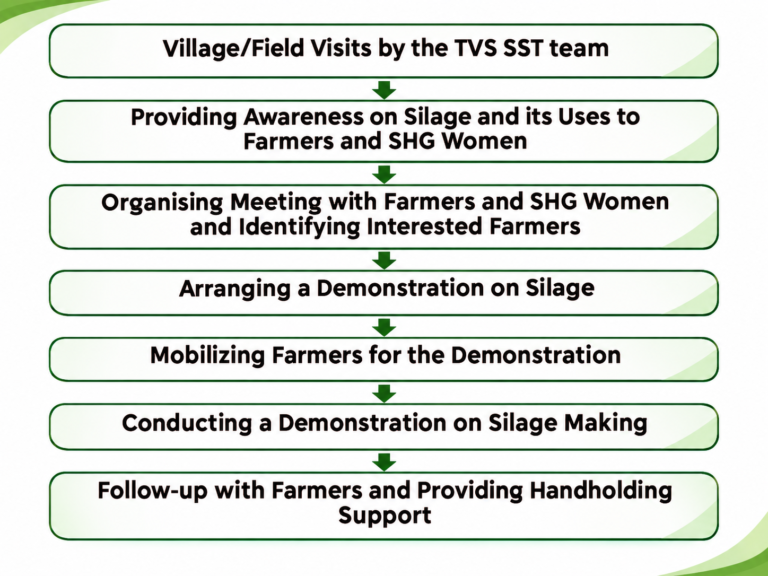
Through SST’s livestock development programme, Santosh participated in awareness sessions and practical demonstrations on silage preparation. During these sessions, he learned the importance of advance planning, including cultivating maize specifically for silage and procuring maize at reasonable rates before summer when on-farm production was insufficient. Recognizing silage as an effective way to ensure year-round nutritional security for livestock, he adopted the practice and began storing fodder in advance for use during the lean season.
The results were significant. By using silage from February to May every year, Santosh was able to maintain a regular supply of nutritious fodder throughout summer. His daily milk production increased from 35 litres to 42 litres, with each milch cow producing approximately 1.5 litres of additional milk per day. He reported total savings of ₹6,000 to ₹9,000 on green fodder purchases and with three milch cows, generated an additional income of around ₹2,000 per milch cow during the summer months, totalling ₹6,000 of additional income. He also observed notable improvements in milk quality, particularly in FAT and SNF (Solids-Not-Fat) content.
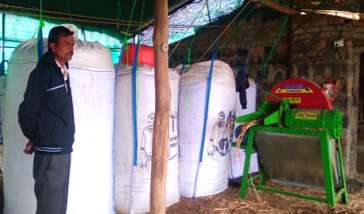
Today, Santosh has made silage preparation a regular part of his dairy management practices and keeps stocks ready well before summer, with nearly 20 bags prepared for the season. The success of his efforts has encouraged around 10 farmers in the village to adopt the technique, and Santosh has actively guided fellow livestock owners in implementing the practice. What began as a solution to fodder scarcity has evolved into a sustainable approach that has strengthened household income, reduced risk, and improved confidence in livestock rearing.
Creating Entrepreneurs Along the Way
Beyond improving dairy incomes, the intervention has also generated new livelihood opportunities.
One such example is Avinash Gorade, a 29-year-old youth from Falkewadi village, Kanhur Mesai panchayat, Shirur block. After completing a mechanical diploma, Avinash worked in a nearby industry earning ₹8,000 to ₹10,000 per month. Seeking better opportunities, he approached SST and was introduced to livestock management and silage preparation techniques.
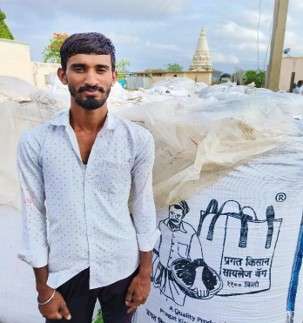
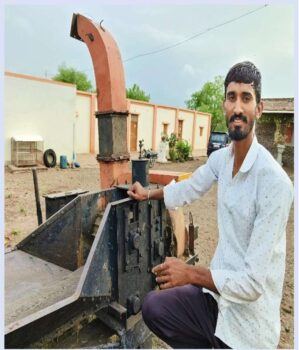
Avinash adopted silage for his own dairy enterprise and witnessed encouraging results. Over time, he expanded his herd from two milch cows to ten. The improved productivity helped him increase his earnings substantially, with dairy activities generating ₹32,000 to ₹40,000 per month. As more farmers became interested in the technique, Avinash recognized another opportunity. Many farmers wanted to prepare silage but lacked access to equipment and labour. He invested in a silage-cutting machine, organised a team of local youth and began offering silage preparation services to farmers.
The enterprise has since supported nearly 100 farmers, facilitated the preparation of around 1,500 silage bags and generated annual average profits of ₹5-6 lakh. In addition, the venture has created local employment opportunities for around 15 youth in the village.
Avinash’s story highlights how livelihood interventions can create ripple effects that extend beyond the original beneficiaries.
Impact Assessment
To understand the long-term outcomes of the initiative, Tata Institute of Social Sciences (TISS) conducted an independent impact assessment covering 300 farmers across intervention areas in 2023-24. The study used household surveys and focus group discussions to evaluate changes in farmer livelihoods and resilience.
The findings demonstrated substantial improvements:
- Average milk productivity increased by 27%, rising from 10-13 litres to 13-16 litres per cow per day
- Farmer incomes increased by 19% following adoption of the intervention.
- Expenditure on green fodder reduced by 62%.
- 95% of farmers reported improvements in cattle health.
- Livestock ownership increased significantly, indicating greater confidence in dairy farming as a livelihood activity.
The assessment also found that the availability of silage reduced vulnerability of farmers during drought periods and helped farmers avoid distress decisions such as migration and cattle sales. The intervention strengthened the resilience of farming households against both climatic and economic shocks.
Looking Ahead
Through its agriculture and livestock development initiatives, SST has impacted 3,000+ farmers across Pune, helping rural households address one of the most critical constraints in dairy farming: year-round fodder availability. What began as the adoption of silage by individual farmers has evolved into a powerful force multiplier, with successful practitioners demonstrating the technique to others and driving wider community adoption.
The Pune silage initiative reflects SST’s broader model of societal development, where sustainable change is created not merely through interventions, but through community ownership and participation. As farmers experience tangible benefits in productivity, income and resilience, they become advocates and knowledge partners, enabling the programme’s impact to extend far beyond direct beneficiaries. With over 3,000 farmers reached and the network continuing to grow, community engagement, contribution and active participation remain central to the effectiveness, scalability, and long-term sustainability of the programme.