
Rewriting India’s Literacy Story
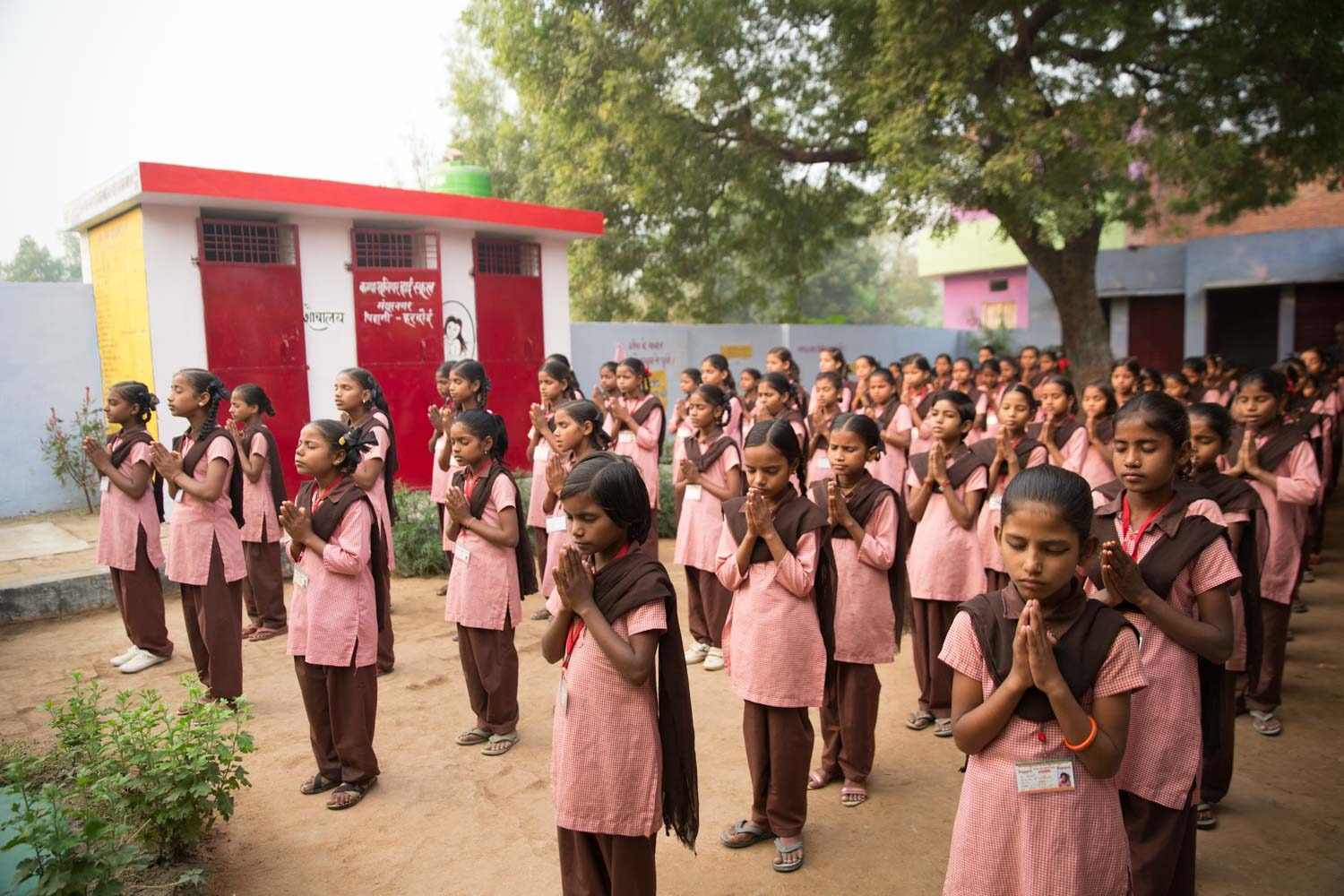
Education is fundamental for achieving full human potential, developing an equitable and just society, and promoting national development. Providing universal access to quality education is the key to India’s continued ascent, and leadership on the global stage in terms of economic growth, social justice and equality, scientific advancement, national integration, and cultural preservation. Universal high-quality education is the best way forward for developing and maximizing our country’s rich talents and resources for the good of the individual, the society, the country, and the world. India will have the highest population of young people in the world over the next decade, and our ability to provide high-quality educational opportunities to them will determine the future of our country.
The Problem With Counting Letters
India defines literacy conventionally, the ability to read and write with understanding in any language, has long been criticised for setting the bar too low. Large-scale assessments such as the Annual Status of Education Report (ASER) have time and again shown “literate” by census standards struggle to read a simple paragraph fluently or solve basic arithmetic problems appropriate to their grade level. This is not a failure of individual students. It points to a systemic failure to distinguish between the mechanics of literacy and its actual purpose in a person’s life.
Functional literacy, which includes the ability to use reading, writing and numeracy to navigate everyday tasks such as understanding a medical prescription, completing a bank form or reading a contract, offers a more meaningful benchmark. By this measure, India’s progress looks considerably more modest, and the gaps between rural and urban populations, genders and socioeconomic groups become much more visible.
Digital Literacy is the New Frontier
If functional literacy was one of the unfinished priorities of the 20th century, digital literacy is among the defining challenges of the 21st. India has undergone a remarkable digital transformation, with smartphone penetration and internet access expanding rapidly, including in remote villages. Yet access to technology has often grown faster than people’s ability to use it critically and safely. Millions of first-generation internet users are entering a digital world without adequate skills to distinguish credible information from misinformation, protect their personal data or use digital tools for economic advancement rather than simply for consumption.
This is where India’s literacy story needs to evolve. A truly literate citizen in today’s India needs to be able to navigate UPI payments, verify a WhatsApp message before sharing it, complete a government e-form and increasingly engage with AI-powered tools. Digital literacy is no longer an additional skill available mainly to the privileged. It is becoming a basic requirement for meaningful participation in economic and civic life.
Rethinking the Classroom
The National Education Policy (NEP) 2020 has attempted to address some of these gaps by placing greater emphasis on foundational literacy and numeracy (FLN) as a national priority. The NIPUN Bharat initiative, launched with the objective of ensuring that every child achieves foundational literacy and numeracy by Grade 3, reflects an important shift from simply measuring enrolment to focusing on actual learning outcomes.
However, foundational literacy alone is not enough. Rewriting India’s literacy story means incorporating critical thinking, financial literacy and media literacy into education from an early age. Children need to learn not only how to read words but also how to question sources, construct arguments and understand the economic, legal and digital systems that influence their lives. Kerala’s long-standing success in achieving high literacy offers valuable lessons, but so do newer experiments in community-driven learning. Local libraries, women’s self-help groups and NGOs can work alongside schools to make literacy a lived practice rather than something confined to the classroom and the early years of a child’s education.
Literacy as a Lifelong Journey
Perhaps the most important shift India needs is philosophical. Literacy may not be treated as a milestone achieved once in childhood and then forgotten. Adult literacy programmes remain underfunded and often carry social stigma, despite the fact that millions of adults, particularly women in rural areas, did not have the opportunity to develop these skills earlier in life. A positively literate society invests in lifelong learning. A farmer using a soil-testing app, a domestic worker reading her wage slip or a grandmother learning to video-call her grandchildren are all engaging with literacy in ways that matter to their everyday lives.
India’s literacy story does not need a new chapter as much as it needs a broader definition. Moving beyond the ABCs means measuring not simply how many people can write their names, but how many can use knowledge to improve their lives, question the world around them and participate fully in a rapidly changing economy.
That is the literacy worth counting, and the one worth building.