For a student, an idea can begin with a simple question: Can this be done better?
It could be about making travel safer for women, helping farmers identify and access underground water, or developing affordable assistive solutions for people living with paralysis.
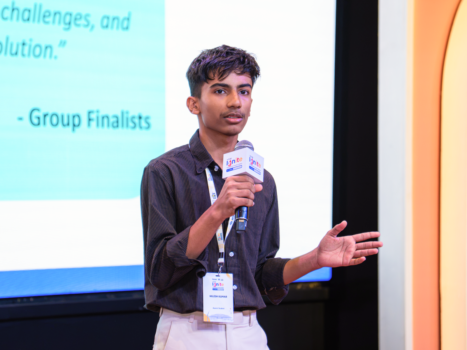
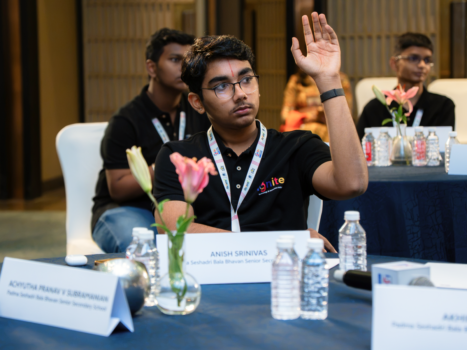
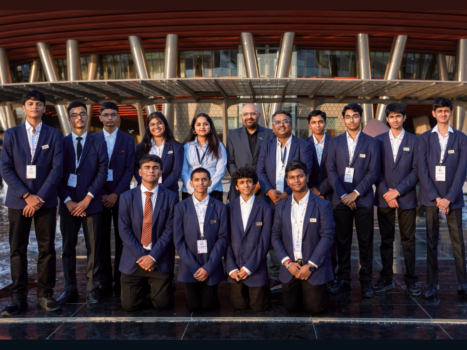
At the vivo Ignite 2026 National Finale, these questions took shape through working concepts and student-led projects. The event brought together the top 10 young innovators whose ideas looked beyond the classroom, focusing on problems they see in the world around them.
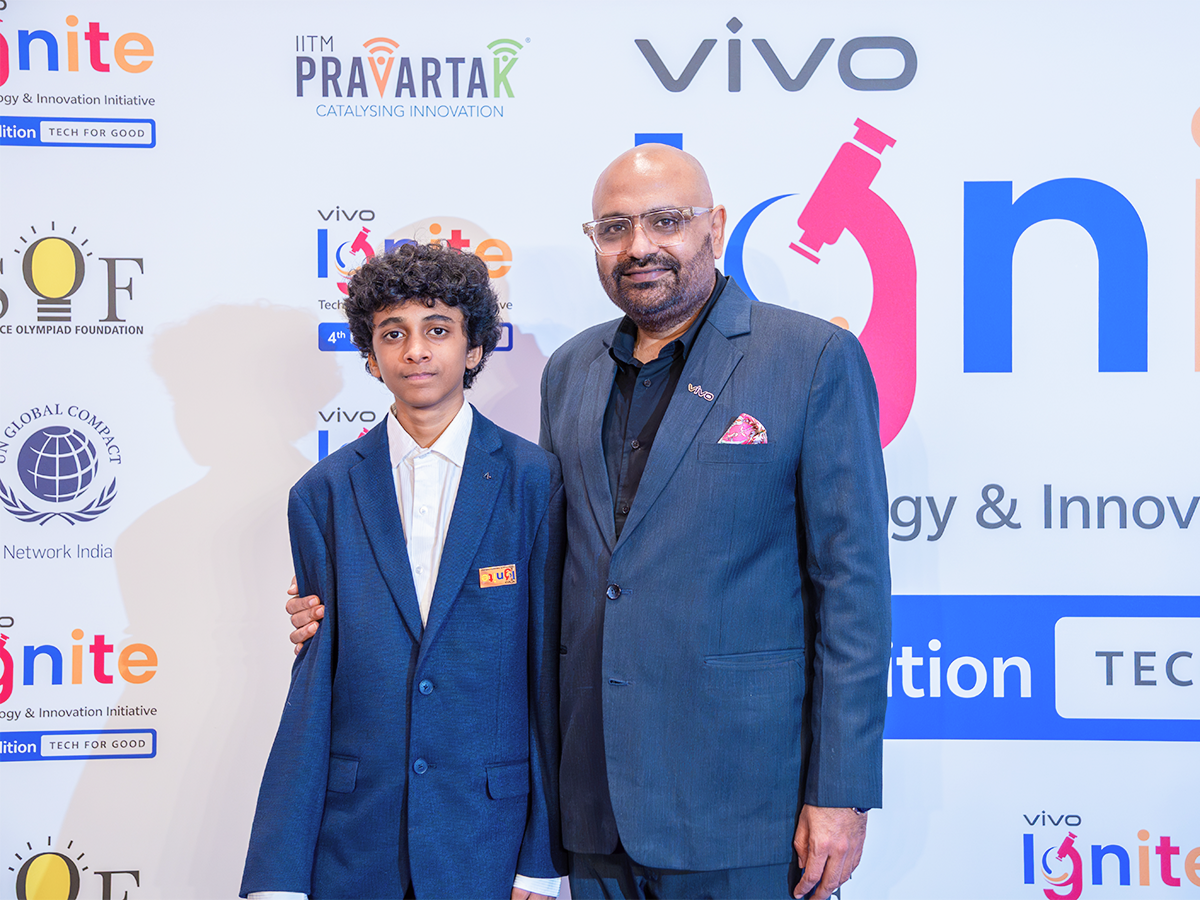
The fourth edition recognised Dheyay Shah from Surat, Gujarat, as the national winner for JALAAKAR – The Shape of Water: Predict, Alert, & Act. His project uses past groundwater records, rainfall and soil-related data to estimate the availability of groundwater. His aim is to help people make better-informed decisions about water use.
At the finale, Dr. Panneerselvam Madanagopal, CEO, MeitY Startup Hub, Government of India, acknowledged the contribution of these educators, recognising the important role they play in helping students learn, build confidence and explore new ideas. His recognition also highlighted how teachers encourage students to question, experiment and look for solutions to real-world challenges.
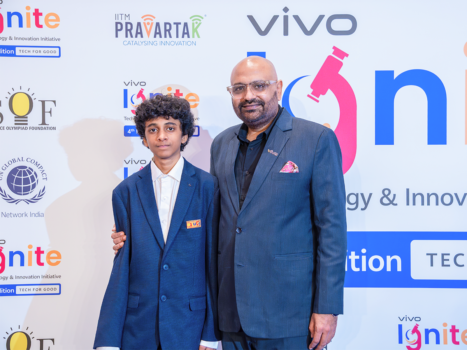
But the finale was more than just announcing a winner. It offered a closer look at vivo Ignite giving young people the opportunity, guidance and platform to turn their curiosity into ideas that can make a difference in the world around them.
Starting with a Problem, Not Just an Idea
The projects presented at the finale addressed real-life challenges, from water safety to solving synthetic identity fraud.
For instance, Anushka Bhattacharya’s Project Unmuted – The Voice of Women explored how technology can help women facing cybercrime. Jitesh Ladda’s DrishtiBodh used sensors to detect obstacles and guide people with visual impairments.
What makes these projects meaningful is that they begin with problems people face in their everyday lives. As students work on their ideas, they learn to think about how their solutions can help, whether they are practical and what it would take to make them work.
As Dr. APJ Abdul Kalam once said, ‘with the right guidance and feedback, the youth can bring the real solutions’. The aim is to help students look beyond coming up with a solution and understand how they can use what they learn to make a difference.
The People Who Help Ideas Grow
Behind any student’s project is a teacher who encourages a question, helps solve a problem or gives a student the confidence to try again.
With the National Teacher Innovation Fellowship becoming part of the fourth edition of vivo Ignite, the programme also turned the spotlight on the educators who play an important role in encouraging young minds. The initiative recognised 10 teachers from across India, sharing their stories and the different ways they support their students.
From finding creative ways to teach with limited resources to encouraging students to explore STEM beyond their textbooks, these educators are helping young people understand how STEM can be used to solve everyday problems.
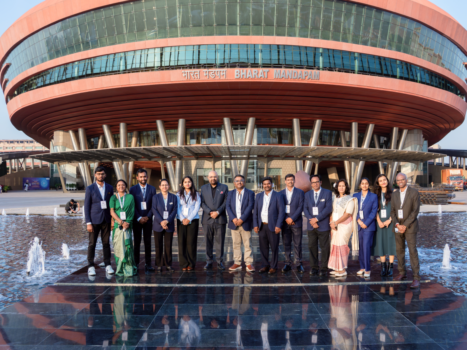
The Journey Does Not End with an Award
At this year’s finale, previous participants Shubhashree Sahu and Nilesh were present to share their journeys beyond vivo Ignite. Shubhashree, a winner from an earlier edition, is now pursuing an integrated course in Astrophysics and Astronomy, taking her interest in science forward. Nilesh developed a navigation cane to help people with visual impairments move around more safely.
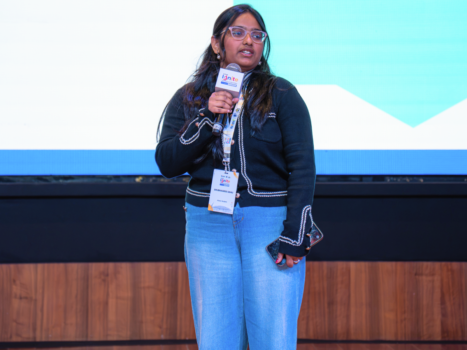
Their presence offered a glimpse into what happens after the programme, showing how students can continue to explore their interests and build on the ideas they first developed through vivo Ignite.
Their experiences offer a reminder that students can approach familiar problems with fresh perspectives. They also show why opportunities to learn, build and present ideas matter beyond the final result.
For young innovators, taking an idea forward can involve learning new skills, improving a prototype or finding people who can help develop it. Not every school project will become a finished product, and it does not need to. The process itself that vivo Ignite has can help students learn how to research a problem, work through setbacks and make decisions based on what they discover.
vivo Ignite making More Room for Practical Learning
For many students, science is first encountered through textbooks and classroom exercises. Programmes such as vivo Ignite create an opportunity to apply that learning to questions outside the syllabus.
This is especially important when students do not have regular access to equipment, expert guidance or spaces where they can experiment. A teacher’s encouragement can open the door, while mentorship, and feedback can help students understand what it takes to develop an idea.
The role of partners and educators is important here. Their knowledge can help students assess their ideas, understand the science behind them and identify areas that need more work. This support can make the process of innovation easier to navigate, particularly for students encountering it for the first time.