Slider

You're here Home » Slider

blog 1

Beyond the Finale: Helping Generation Tomorrow Take Their Ideas Further

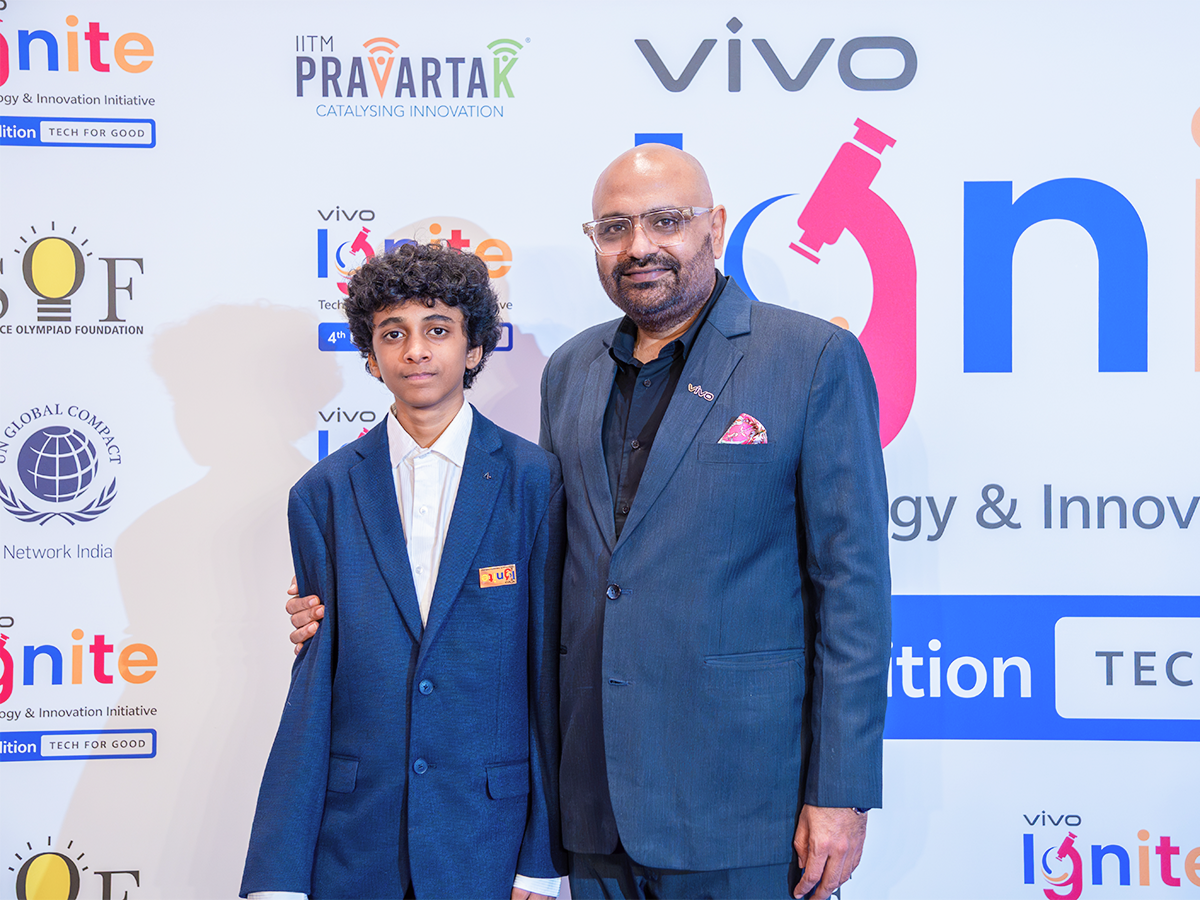
For a student, an idea can begin with a simple question: Can this be done better? It could be about making travel safer for women, helping farmers identify and access underground water, or developing affordable assistive solutions for people living with paralysis. At the vivo Ignite 2026 National Finale, these questions took shape through working concepts and student-led projects. The event brought together the top 10 young innovators whose ideas looked beyond the classroom, focusing on problems they see in the world around them. The fourth edition recognised Dheyay Shah from Surat, Gujarat, as the national winner for JALAAKAR – The Shape of Water: Predict, Alert, & Act. His project uses past groundwater records, rainfall and soil-related data to estimate
Read More »
infograph

Beyond the Vaccine: Why the Fight Against Childhood Pneumonia Must Begin in the Community

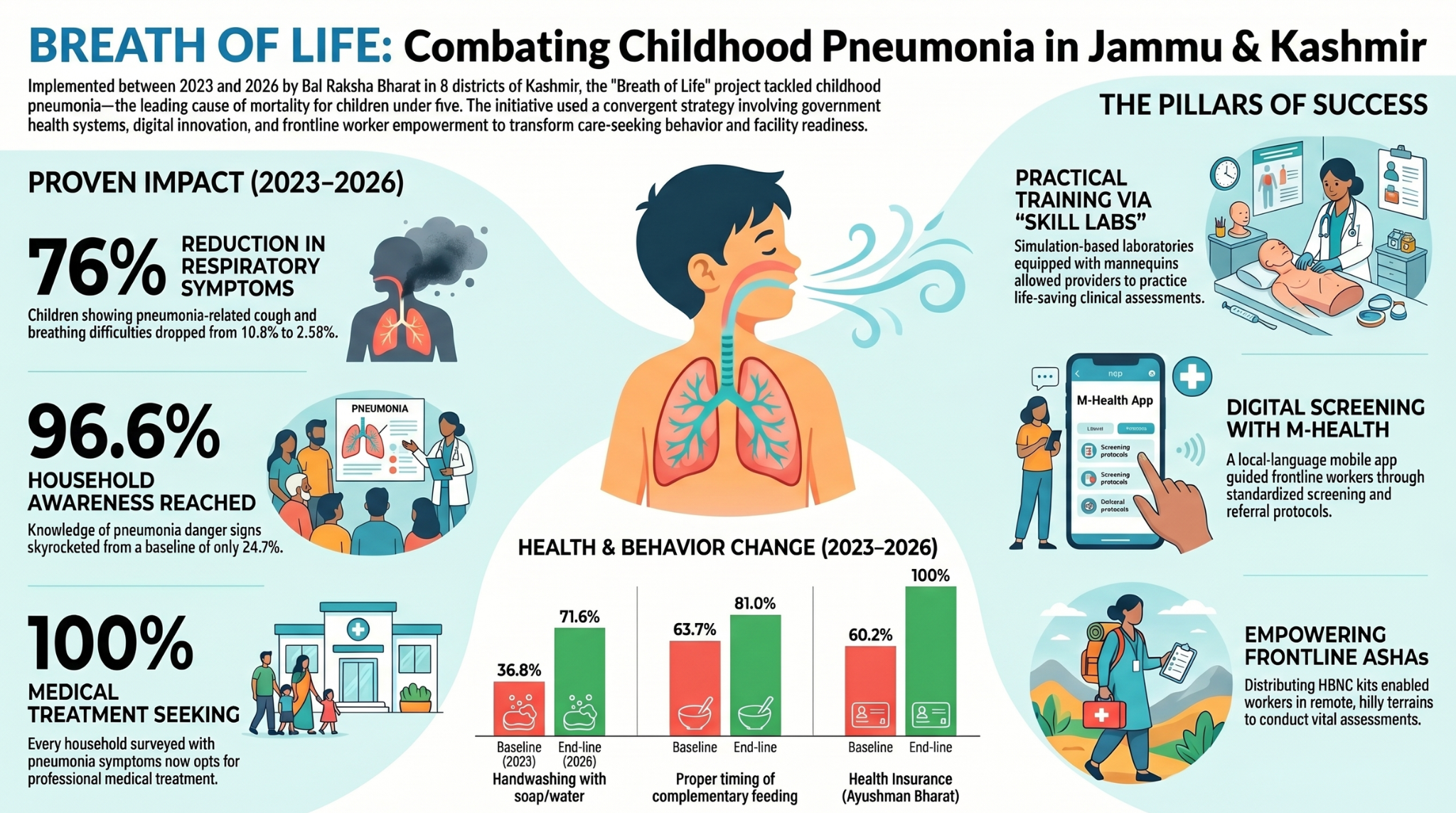
Tanvi Chauhan and Ishaprasad Bhagwat[1] [1] Tanvi Chauhan leads the Health and Nutrition Portfolio at Bal Raksha Bharat. Ishaprasad Bhagwat is the Technical Advisor On Pneumonia Day, November 12, it is sobering to remember that Pneumonia continues to be one of the leading causes of infant and child mortality in India. It need not be so, for the nation has a two-fold strategy to address this. On one hand, there is the Pneumococcal Conjugate Vaccine (PCV), which was introduced in a phased manner since 2017, and, since 2021, is now part of the Universal Immunization Programme for children across India. It is well known that vaccines are a cornerstone of public health, preventing infectious diseases, reducing illness and deaths, protecting

Read More »
Paharpani Farm

The Himalayas as Living Laboratories: TERI’s Research-Led Pathways to Sustainable Mountain Development

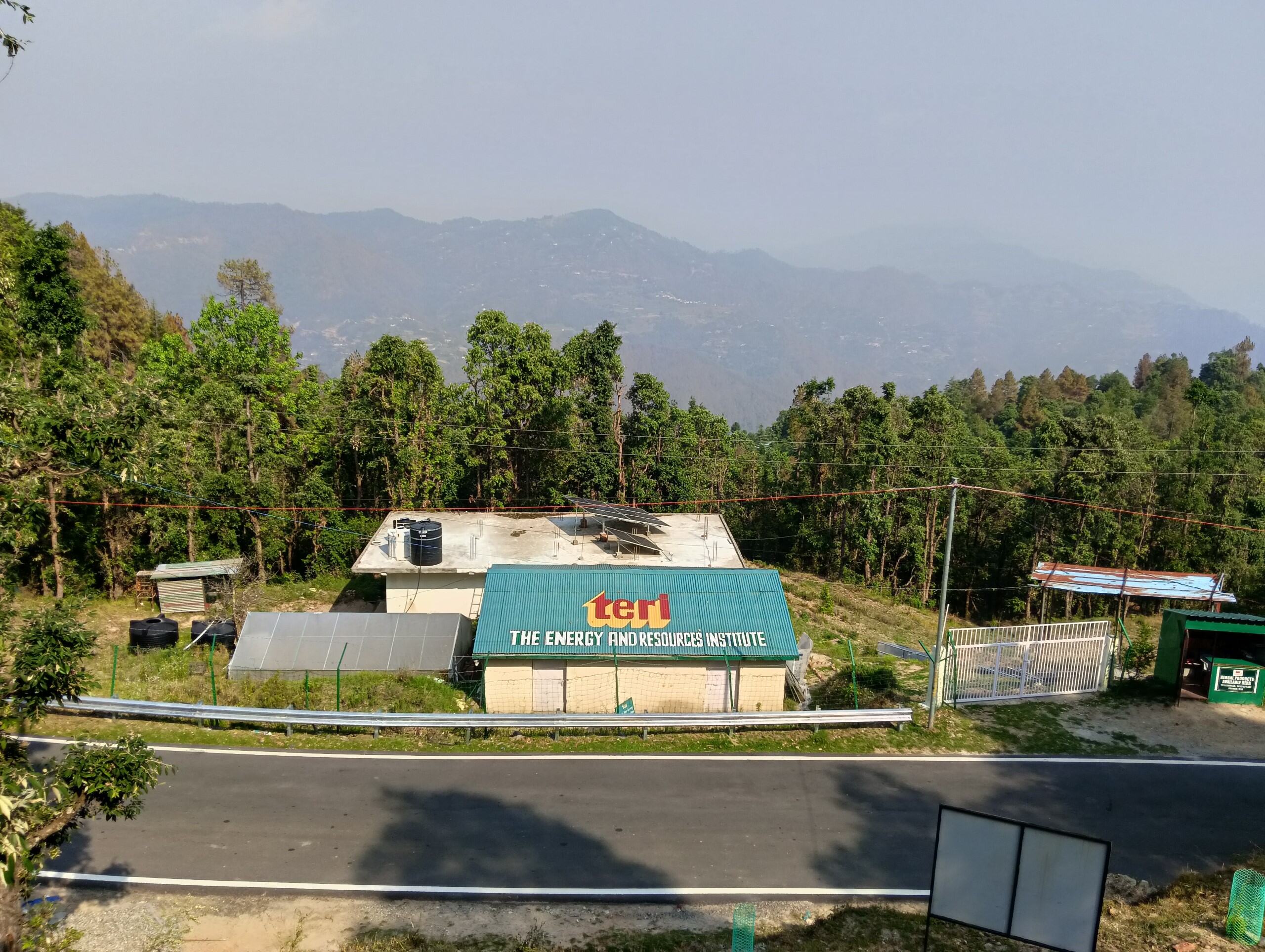
Connecting scientific innovation, community livelihoods and sustainable enterprise across Uttarakhand The future of the Himalayas depends on whether ecological conservation can improve community prosperity. Climate variability, water stress, fragmented landholdings, vulnerable ecosystem and limited market access are daunting challenges of mountain livelihoods. Yet the region’s biodiversity and traditional ecological knowledge offer valuable foundations for sustainable development. Addressing these interconnected challenges requires research-backed solutions that communities can adopt, enterprises can sustain and institutions can scale. At TERI’s regional centre in Mukteshwar, Uttarakhand research-led development is the driving force behind its engagement with the Himalayan region. Three distinct but complementary facilities anchor this work: Supi Farms/TRISHA advances agricultural research, biodiversity conservation and mountain livelihoods; Paharpani Research Centre translates these priorities into community

Read More »
Sky Social Cloud Logo (2)

Saahas – Gender Justice Labs: Building Safer and More Supportive Communities for Girls

A safe and supportive community is fundamental to every girl’s ability to learn, grow, express herself, and realise her full potential. Yet, for millions of girls, everyday life continues to be shaped by gender-based discrimination, violence, restrictive social norms, unequal access to opportunities, and limited awareness of their rights. Building safer communities, therefore, requires more than addressing individual incidents of violence. It demands a collective effort to transform attitudes, strengthen support systems, and create environments where girls are heard, respected, and empowered. Saahas – Gender Justice Labs represents an approach to advancing gender justice by bringing communities, institutions, and local leadership together to address the underlying causes of gender inequality. By combining awareness, community participation, capacity-building, emotional well-being, and institutional

Read More »
KVB

Reviving the Noyyal: How River Rejuvenation Is Securing Water and Strengthening Rural Livelihoods

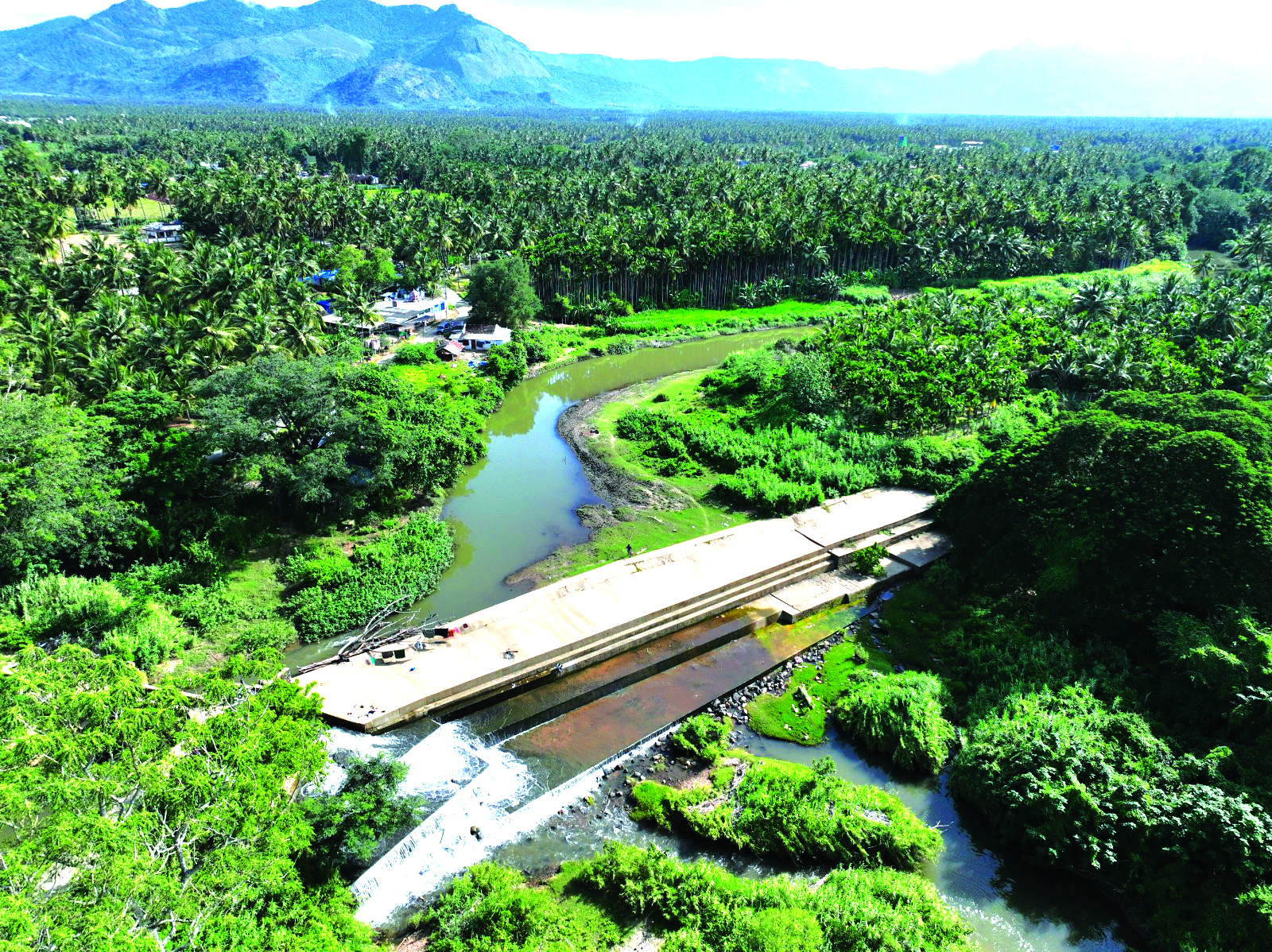
Karur Vysya Bank’s CSR initiative in Coimbatore demonstrates how restoring traditional water infrastructure can deliver lasting benefits for agriculture, communities and ecological resilience. Water security is inseparable from the future of agriculture, rural livelihoods and environmental sustainability. For communities that depend on rivers and groundwater, the deterioration of traditional water systems can have consequences far beyond the loss of a water source. It can affect farming, livelihoods, ecosystems and the resilience of entire villages. Recognising this interconnected challenge, Karur Vysya Bank (KVB) undertook the rejuvenation of two critical anicuts in Tamil Nadu’s Noyyal River system, placing water conservation at the heart of its community development efforts. Implemented in partnership with Siruthuli, the project, Rejuvenating the Noyyal River System, focused on

Read More »
URI-Nambla-Pic5

Building Opportunity at the Border: Transforming Schools in Uri

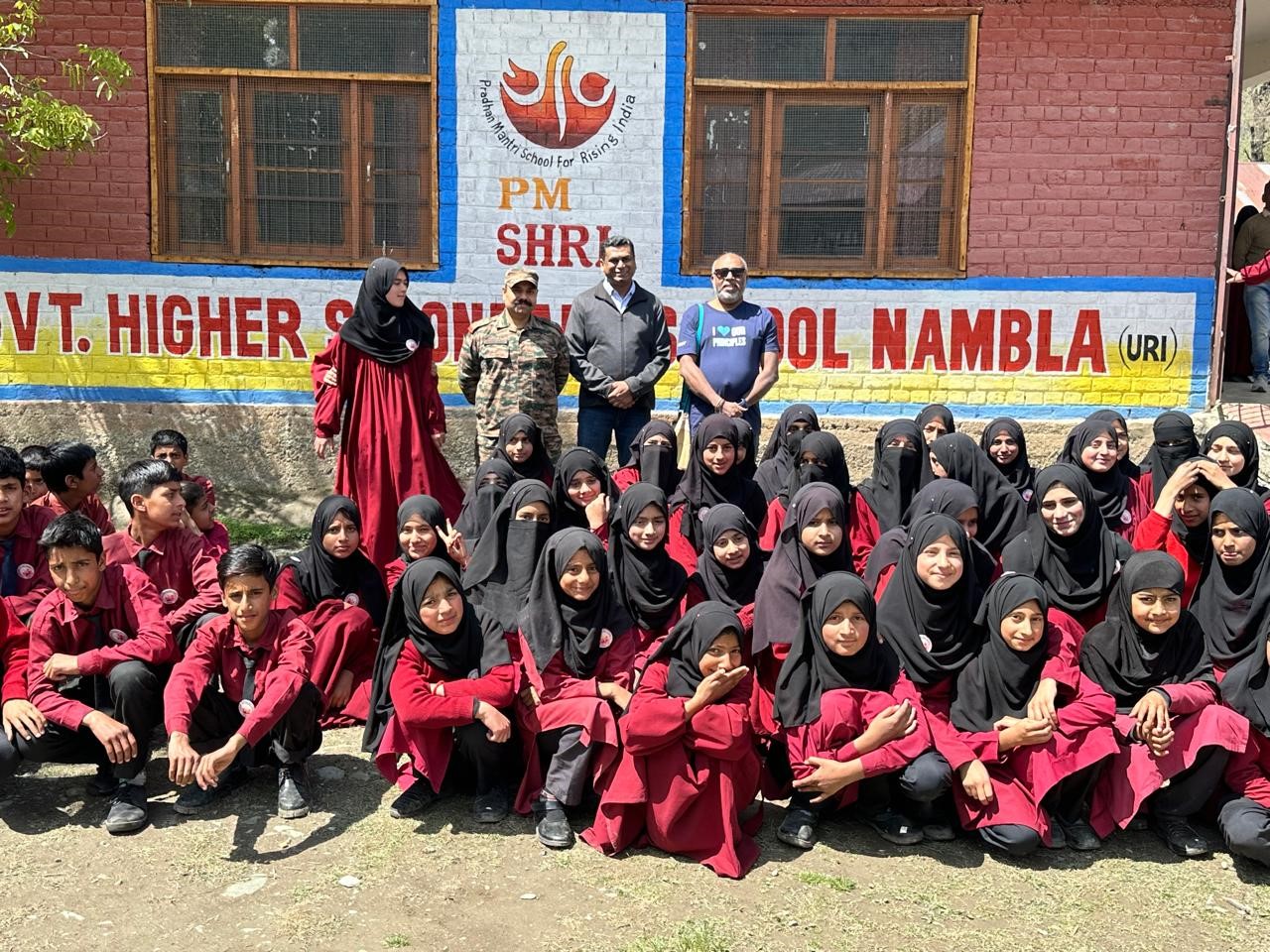
Building Opportunity at the Border: Transforming Schools in Uri For children in Uri Tehsil, Baramulla district, Jammu & Kashmir, mountainous terrain, harsh winters and disruptions near the Line of Control create persistent barriers to education. BNY’s multi-year infrastructure program at six government schools addresses a fundamental need: safe, functional schools where children can learn with dignity and continuity. Implemented with the International Association for Human Values (IAHV), with Indian Army coordination, it supports an India–Pakistan border area affected by conflict and underdevelopment. Responding to a Demanding Context Children often walk two to three kilometres through mountainous terrain, while deep snow affects the area for around four months annually. Security alerts and cross-border tensions further disrupt schooling. Overcrowded, dilapidated classrooms, inadequate

Read More »
In Conversation with Dr Arulsamy S

What if the best place to teach leadership isn’t a classroom, a boardroom or a business simulation, but a village?

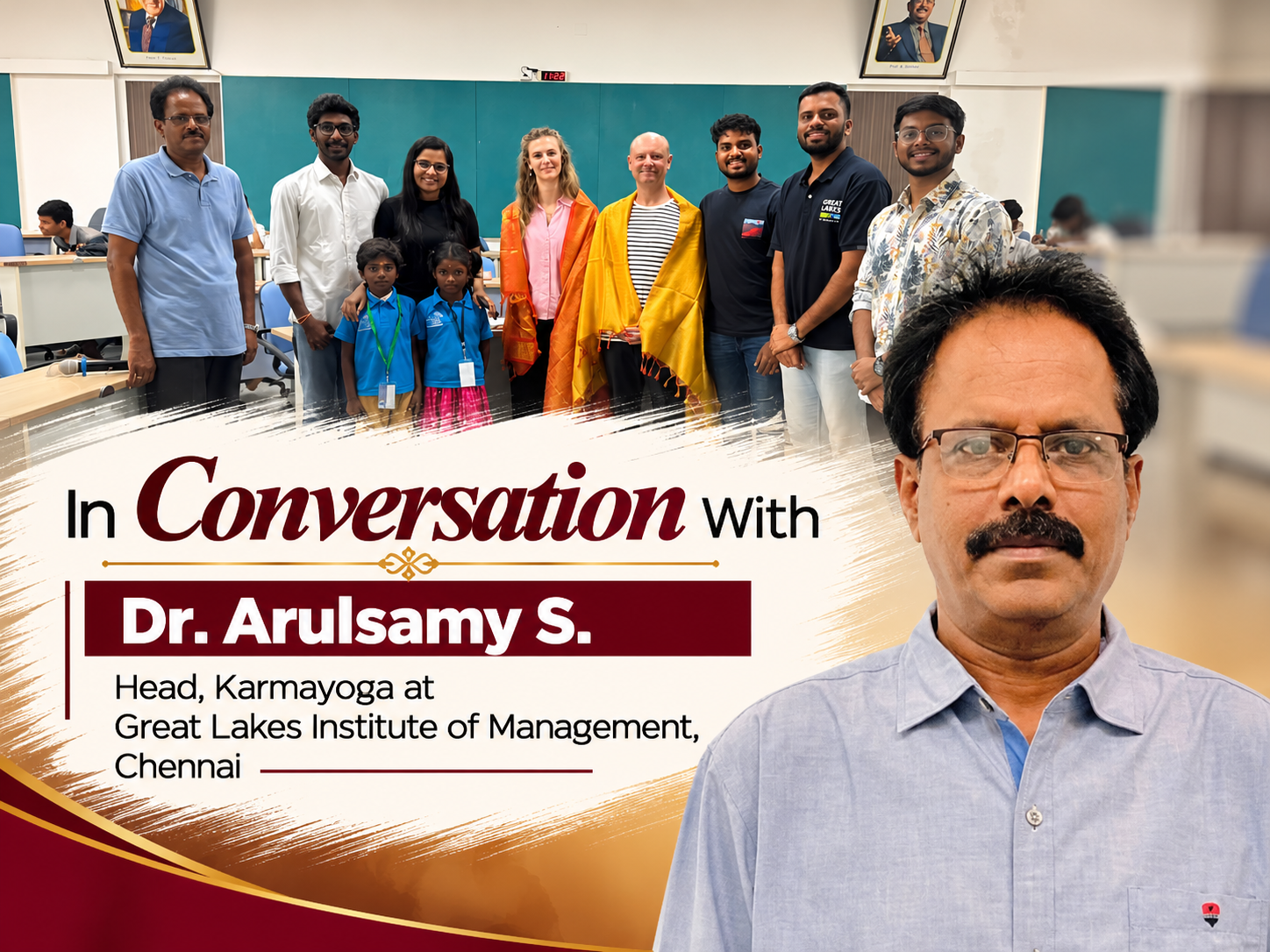
Dr. Arulsamy S., Head, Karmayoga at Great Lakes Institute of Management, Chennai, shares his perspectives on how Karmayoga at Great Lakes Institute of Management, Chennai, is redefining leadership education by taking learning beyond the classroom and into rural communities. 1.Karma Yoga is built around the idea that leadership cannot be fully learnt in a classroom and has to be experienced. What led Great Lakes Chennai to adopt this approach, and what gap in conventional management education were you looking to address? The founder of Great Lakes Institute of Management, Dr Bala V. Balachandran, envisioned developing transformational leaders by integrating management education with experiential learning and community engagement. The establishment of the institution in proximity to rural communities reflected his conviction

Read More »
Picture1

Beyond Preservation: How CSR Can Keep India’s Living Cultural Heritage Alive

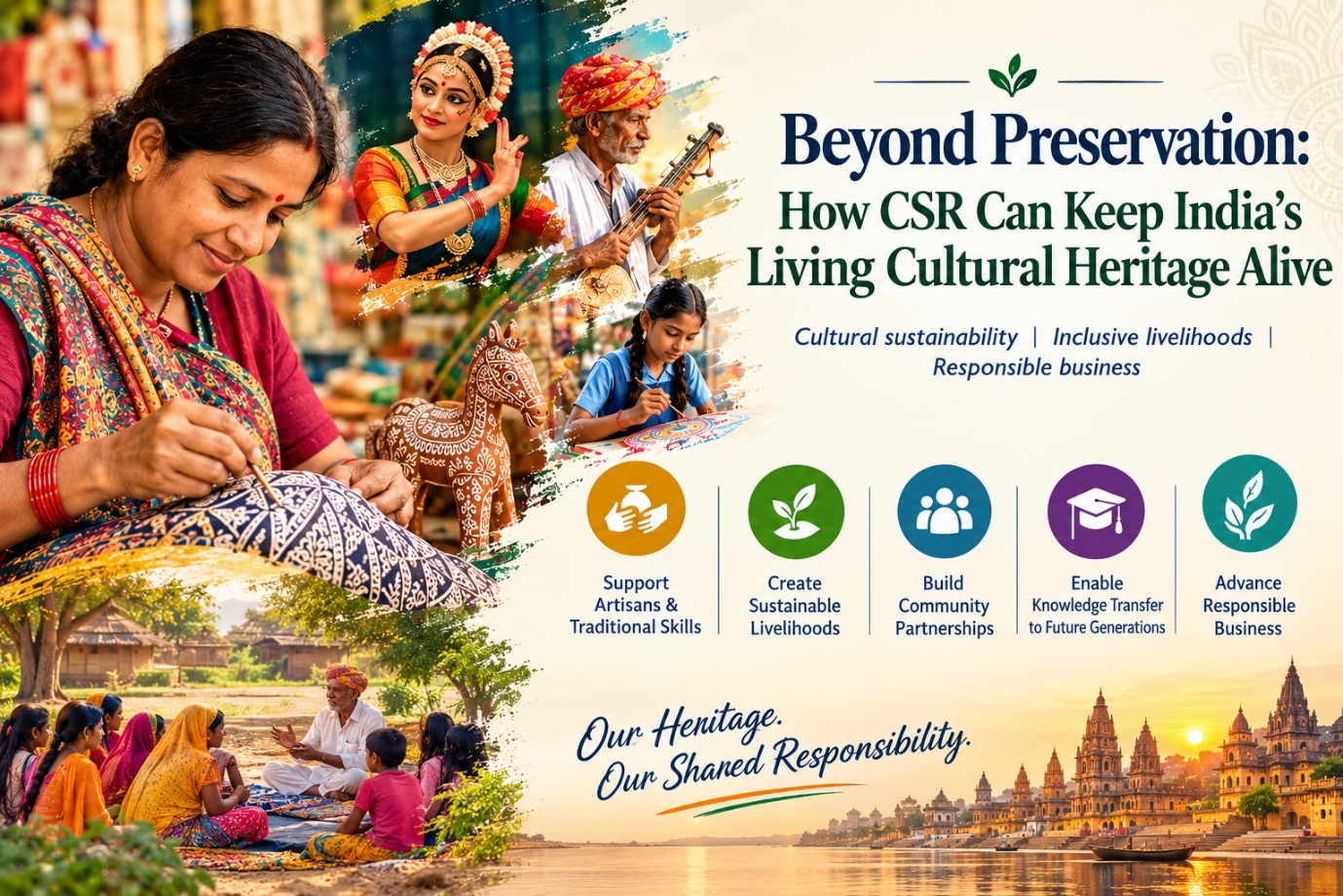
Culture is more than a reflection of our past; it is a living expression of our identity, values, creativity and collective wisdom. Across India, traditional handicrafts, folk music, dance forms, oral storytelling, indigenous knowledge, local festivals, culinary traditions and community practices connect generations and strengthen the social fabric of our society. However, rapid urbanisation, changing lifestyles, economic pressures and declining opportunities for traditional practitioners are putting many of these invaluable cultural traditions at risk. The International Day of the Intangible Cultural Heritage, observed globally on 17 October, offers an important opportunity to recognise this living heritage and renew our collective commitment to safeguarding it. Proclaimed by UNESCO in 2023, the Day highlights the importance of protecting the traditions, skills and

Read More »
blog 1

Beyond the Finale: Helping Generation Tomorrow Take Their Ideas Further

For a student, an idea can begin with a simple question: Can this be done better? It could be about making travel safer for women, helping farmers identify and access underground water, or developing affordable assistive solutions for people living with paralysis. At the vivo Ignite 2026 National Finale, these questions took shape through working concepts and student-led projects. The event brought together the top 10 young innovators whose ideas looked beyond the classroom, focusing on problems they see in the world around them. The fourth edition recognised Dheyay Shah from Surat, Gujarat, as the national winner for JALAAKAR – The Shape of Water: Predict, Alert, & Act. His project uses past groundwater records, rainfall and soil-related data to estimate
Read More »
infograph

Beyond the Vaccine: Why the Fight Against Childhood Pneumonia Must Begin in the Community

Tanvi Chauhan and Ishaprasad Bhagwat[1] [1] Tanvi Chauhan leads the Health and Nutrition Portfolio at Bal Raksha Bharat. Ishaprasad Bhagwat is the Technical Advisor On Pneumonia Day, November 12, it is sobering to remember that Pneumonia continues to be one of the leading causes of infant and child mortality in India. It need not be so, for the nation has a two-fold strategy to address this. On one hand, there is the Pneumococcal Conjugate Vaccine (PCV), which was introduced in a phased manner since 2017, and, since 2021, is now part of the Universal Immunization Programme for children across India. It is well known that vaccines are a cornerstone of public health, preventing infectious diseases, reducing illness and deaths, protecting

Read More »
Paharpani Farm

The Himalayas as Living Laboratories: TERI’s Research-Led Pathways to Sustainable Mountain Development

Connecting scientific innovation, community livelihoods and sustainable enterprise across Uttarakhand The future of the Himalayas depends on whether ecological conservation can improve community prosperity. Climate variability, water stress, fragmented landholdings, vulnerable ecosystem and limited market access are daunting challenges of mountain livelihoods. Yet the region’s biodiversity and traditional ecological knowledge offer valuable foundations for sustainable development. Addressing these interconnected challenges requires research-backed solutions that communities can adopt, enterprises can sustain and institutions can scale. At TERI’s regional centre in Mukteshwar, Uttarakhand research-led development is the driving force behind its engagement with the Himalayan region. Three distinct but complementary facilities anchor this work: Supi Farms/TRISHA advances agricultural research, biodiversity conservation and mountain livelihoods; Paharpani Research Centre translates these priorities into community

Read More »
Sky Social Cloud Logo (2)

Saahas – Gender Justice Labs: Building Safer and More Supportive Communities for Girls

A safe and supportive community is fundamental to every girl’s ability to learn, grow, express herself, and realise her full potential. Yet, for millions of girls, everyday life continues to be shaped by gender-based discrimination, violence, restrictive social norms, unequal access to opportunities, and limited awareness of their rights. Building safer communities, therefore, requires more than addressing individual incidents of violence. It demands a collective effort to transform attitudes, strengthen support systems, and create environments where girls are heard, respected, and empowered. Saahas – Gender Justice Labs represents an approach to advancing gender justice by bringing communities, institutions, and local leadership together to address the underlying causes of gender inequality. By combining awareness, community participation, capacity-building, emotional well-being, and institutional

Read More »
KVB

Reviving the Noyyal: How River Rejuvenation Is Securing Water and Strengthening Rural Livelihoods

Karur Vysya Bank’s CSR initiative in Coimbatore demonstrates how restoring traditional water infrastructure can deliver lasting benefits for agriculture, communities and ecological resilience. Water security is inseparable from the future of agriculture, rural livelihoods and environmental sustainability. For communities that depend on rivers and groundwater, the deterioration of traditional water systems can have consequences far beyond the loss of a water source. It can affect farming, livelihoods, ecosystems and the resilience of entire villages. Recognising this interconnected challenge, Karur Vysya Bank (KVB) undertook the rejuvenation of two critical anicuts in Tamil Nadu’s Noyyal River system, placing water conservation at the heart of its community development efforts. Implemented in partnership with Siruthuli, the project, Rejuvenating the Noyyal River System, focused on

Read More »
URI-Nambla-Pic5

Building Opportunity at the Border: Transforming Schools in Uri

Building Opportunity at the Border: Transforming Schools in Uri For children in Uri Tehsil, Baramulla district, Jammu & Kashmir, mountainous terrain, harsh winters and disruptions near the Line of Control create persistent barriers to education. BNY’s multi-year infrastructure program at six government schools addresses a fundamental need: safe, functional schools where children can learn with dignity and continuity. Implemented with the International Association for Human Values (IAHV), with Indian Army coordination, it supports an India–Pakistan border area affected by conflict and underdevelopment. Responding to a Demanding Context Children often walk two to three kilometres through mountainous terrain, while deep snow affects the area for around four months annually. Security alerts and cross-border tensions further disrupt schooling. Overcrowded, dilapidated classrooms, inadequate

Read More »
In Conversation with Dr Arulsamy S

What if the best place to teach leadership isn’t a classroom, a boardroom or a business simulation, but a village?

Dr. Arulsamy S., Head, Karmayoga at Great Lakes Institute of Management, Chennai, shares his perspectives on how Karmayoga at Great Lakes Institute of Management, Chennai, is redefining leadership education by taking learning beyond the classroom and into rural communities. 1.Karma Yoga is built around the idea that leadership cannot be fully learnt in a classroom and has to be experienced. What led Great Lakes Chennai to adopt this approach, and what gap in conventional management education were you looking to address? The founder of Great Lakes Institute of Management, Dr Bala V. Balachandran, envisioned developing transformational leaders by integrating management education with experiential learning and community engagement. The establishment of the institution in proximity to rural communities reflected his conviction

Read More »
Picture1

Beyond Preservation: How CSR Can Keep India’s Living Cultural Heritage Alive

Culture is more than a reflection of our past; it is a living expression of our identity, values, creativity and collective wisdom. Across India, traditional handicrafts, folk music, dance forms, oral storytelling, indigenous knowledge, local festivals, culinary traditions and community practices connect generations and strengthen the social fabric of our society. However, rapid urbanisation, changing lifestyles, economic pressures and declining opportunities for traditional practitioners are putting many of these invaluable cultural traditions at risk. The International Day of the Intangible Cultural Heritage, observed globally on 17 October, offers an important opportunity to recognise this living heritage and renew our collective commitment to safeguarding it. Proclaimed by UNESCO in 2023, the Day highlights the importance of protecting the traditions, skills and

Read More »

I/we Wish To...

Sustainability breeds its constant ongoing need for regularity, credibility, and a strong, collaborative ecosystem. Since 2014, CSR Times has been at the forefront in curating powerful stories, spotlighting transformative initiatives, and amplifying the voices of diverse organizations and individuals who are shaping India’s responsible growth narrative. Through its magazines and flagship events, CSR Times has built a trusted platform that bridges corporate vision with grassroots impact. And now the CSR TIMES Newsletter emerges as a timely and purposeful initiative designed to inform, inspire, and connect stakeholders across the corporate social responsibility ecosystem, designed to meet a different and more immediate need. 

The CSR TIMES Newsletter is your front-row pass to our magazine’s most loved moments: audience-favorite clips, our most popular features, powerful quotes, and the most important stories crafted for a fast-paced digital experience. Designed for today’s four-screen world, it delivers high-impact content straight to your inbox, allowing you to stay updated anytime, anywhere, and absolutely free of cost, so you never miss the conversations shaping the future of sustainability and responsible leadership. Ultimately, CSR TIMES Newsletter is about building an informed and inspired community of leaders who are committed to driving positive social and environmental change.

Subscribe to
CSR TIMES Newsletter

It's Free. And, you can unsubscribe anytime.