
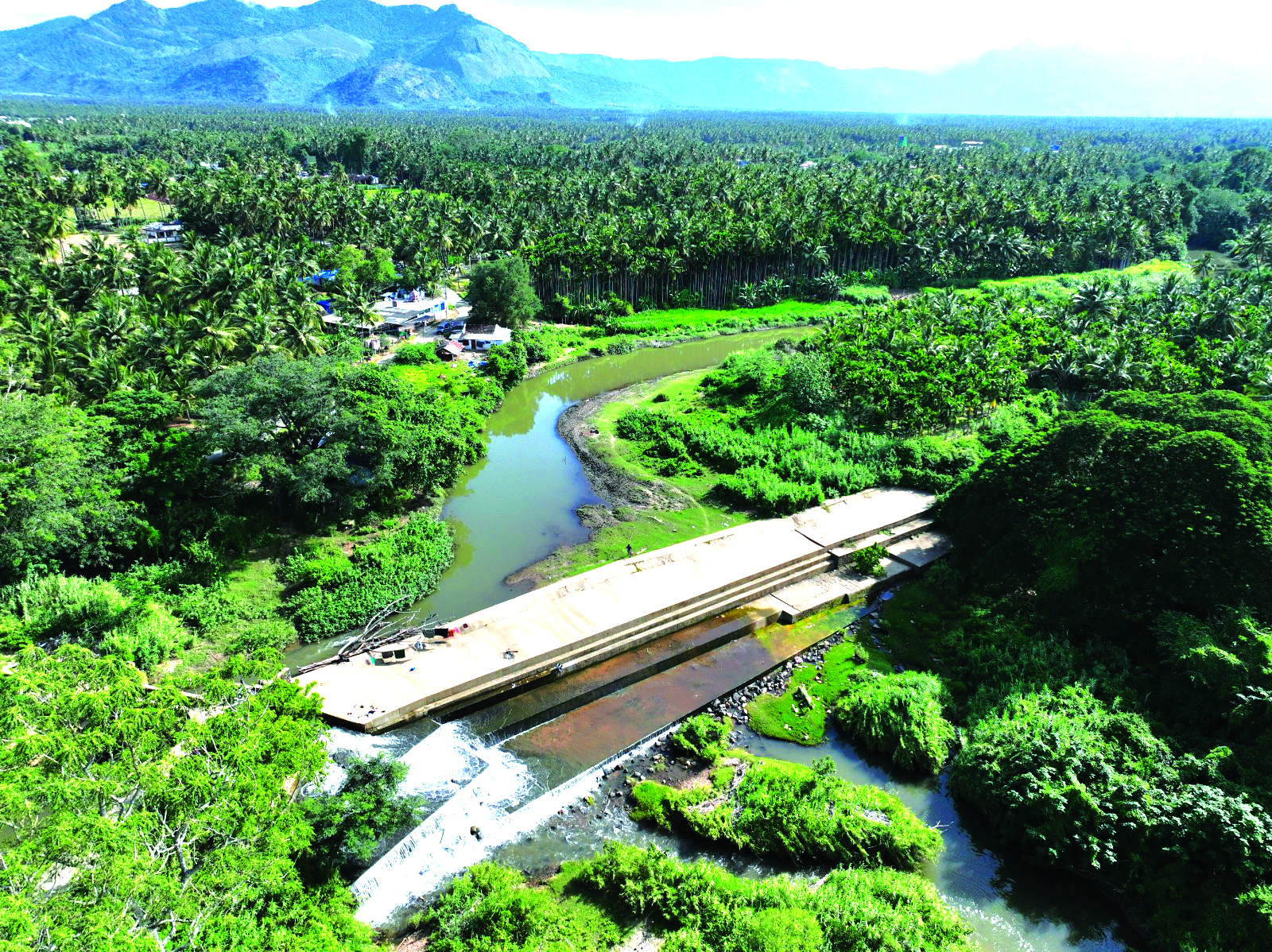
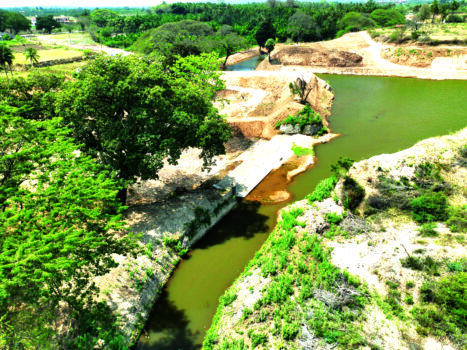
Karur Vysya Bank’s CSR initiative in Coimbatore demonstrates how restoring traditional water infrastructure can deliver lasting benefits for agriculture, communities and ecological resilience.
Water security is inseparable from the future of agriculture, rural livelihoods and environmental sustainability. For communities that depend on rivers and groundwater, the deterioration of traditional water systems can have consequences far beyond the loss of a water source. It can affect farming, livelihoods, ecosystems and the resilience of entire villages. Recognising this interconnected challenge, Karur Vysya Bank (KVB) undertook the rejuvenation of two critical anicuts in Tamil Nadu’s Noyyal River system, placing water conservation at the heart of its community development efforts.
Implemented in partnership with Siruthuli, the project, Rejuvenating the Noyyal River System, focused on restoring the Pudukaadu and Kilchithiraichavadi anicuts in Coimbatore district. The initiative sought to improve water storage, facilitate groundwater recharge, strengthen irrigation and restore the ecological health of the river system.
Addressing the Roots of Water Stress
A scientific baseline assessment of the two anicuts and their feeder channels revealed extensive degradation. Invasive vegetation obstructed water flow across more than 146,000 square metres, while approximately 106,120 cubic metres of silt had accumulated. A degraded 2.23-kilometre river stretch and deteriorating irrigation structures further constrained the system’s ability to retain and convey water.
Groundwater depths in the surveyed areas were recorded at approximately 500–600 feet, highlighting the pressure on local water resources. These conditions affected agricultural communities dependent on reliable irrigation and underscored the need for a comprehensive restoration approach.
The project was designed to address these interconnected challenges by rehabilitating the existing water infrastructure rather than treating each problem in isolation. The underlying principle was straightforward: restoring the flow, storage and functionality of a water system can help communities make better use of available resources.
Restoring Water Systems, Rebuilding Capacity
The intervention combined desilting, invasive vegetation removal, feeder-channel restoration and structural repairs to the anicuts and their shutters. Together, these activities were intended to improve water movement, enhance storage capacity and strengthen the functioning of the irrigation network.
More than 146,000 square metres of invasive vegetation were cleared, and 14.5 kilometres of feeder channels were restored. The project also rejuvenated 2.23 kilometres of river stretch and restored over 62,620 cubic metres of water-holding capacity, equivalent to more than 62 million litres of additional storage.
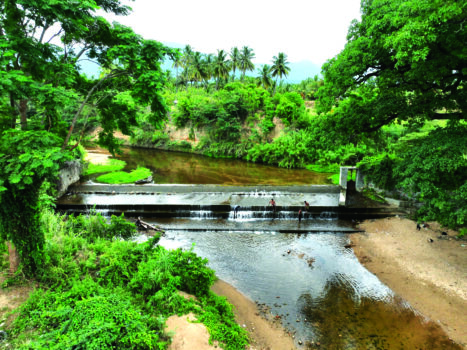
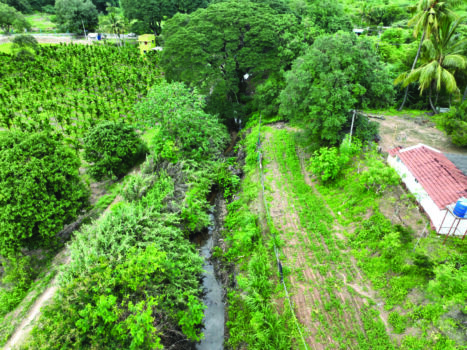
These outcomes represent more than infrastructure improvements. Effective water conservation depends on the ability of water to flow through connected channels, remain available within the system and support groundwater recharge. By addressing these elements together, the project aimed to improve the performance of the local water network and strengthen its contribution to agricultural water security.
Project monitoring observations indicate that groundwater levels in the areas surveyed improved from approximately 500–600 feet to around 300 feet. Continued monitoring over subsequent hydrological cycles will help establish the durability of these improvements and their longer-term environmental and agricultural effects.
Putting Farming Communities at the Centre
The project’s significance lies in its potential to translate ecological restoration into tangible community benefits. Improved irrigation access is expected to support 2,626 acres of agricultural land, directly benefiting 877 farmers and indirectly supporting another 3,566 farmers. Across 20 villages, the initiative has a reported reach of more than 10,000 people.
For farmers, dependable water availability is fundamental to planning cultivation, managing rainfall variability and reducing vulnerability to water stress. Strengthened irrigation infrastructure and improved groundwater recharge can contribute to more resilient agricultural practices and support the long-term livelihoods of farming households.
Community participation is equally important to sustaining these benefits. Engagement with farmers, local communities, Water User Associations and government stakeholders formed part of the project process, reinforcing the importance of shared responsibility for maintaining restored water assets.
Restoring Ecosystems, Strengthening Resilience
The benefits of river rejuvenation extend beyond agriculture. Removing invasive vegetation, improving water flow and restoring degraded river stretches can help strengthen ecological resilience and support biodiversity recovery. More reliable water availability may also improve habitat conditions and help reduce human–wildlife conflict.
The Noyyal initiative illustrates the value of approaching water conservation as a connected landscape-level challenge, where infrastructure, agriculture, communities and ecosystems are interdependent. Such an approach is particularly relevant as communities face increasing pressure from variable rainfall and competing demands on water resources.
A Lasting Commitment to Water Stewardship
For KVB, the project reflects how corporate social responsibility can contribute to environmental sustainability while addressing the needs of communities whose livelihoods depend on natural resources. Its wider lesson is that meaningful water conservation requires more than isolated interventions: it calls for scientific assessment, integrated restoration, community participation and sustained stewardship.
As India works towards greater water security, the rejuvenation of the Noyyal River system offers a compelling example of the value of restoring existing water infrastructure. The long-term measure of success will be the extent to which these restored systems continue to support agriculture, replenish groundwater and sustain local ecosystems.
Ultimately, a river’s value is measured not only by the water it carries, but also by the lives, livelihoods and landscapes it sustains. By helping restore this connection, the Noyyal initiative demonstrates how responsible CSR investment can contribute to a more water-secure and resilient future.